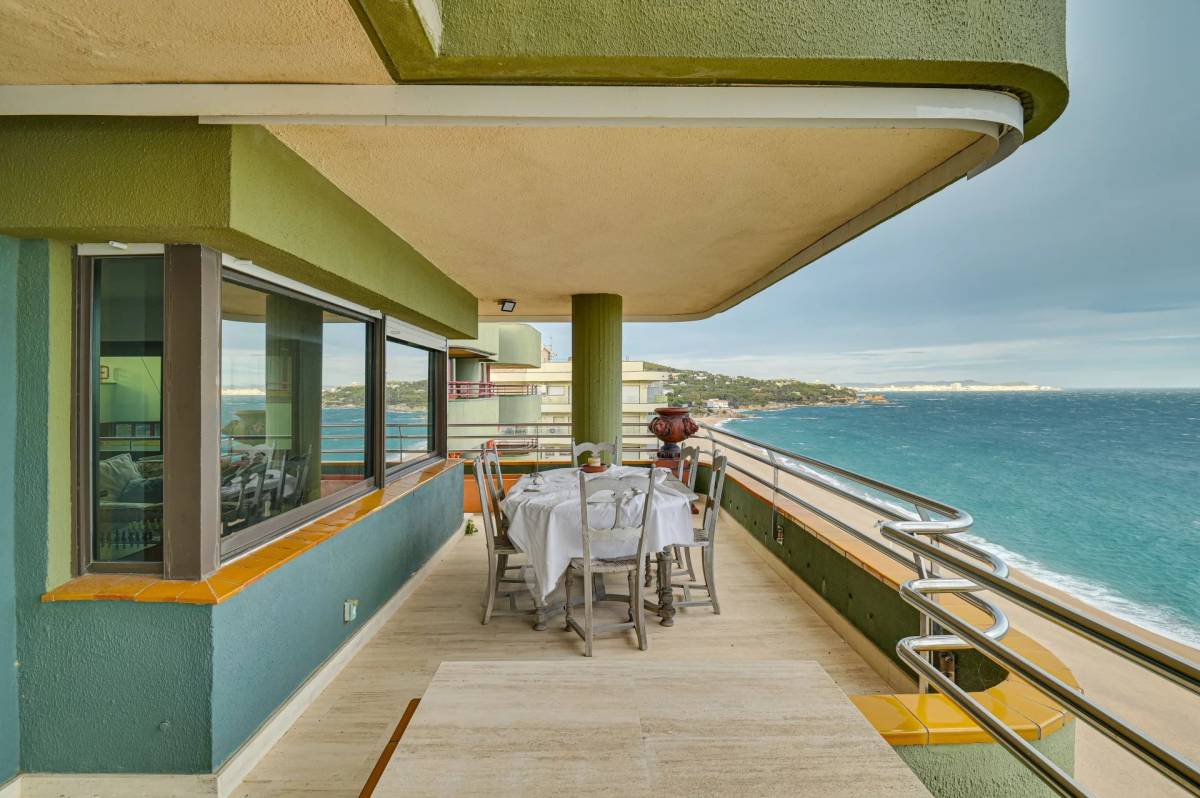
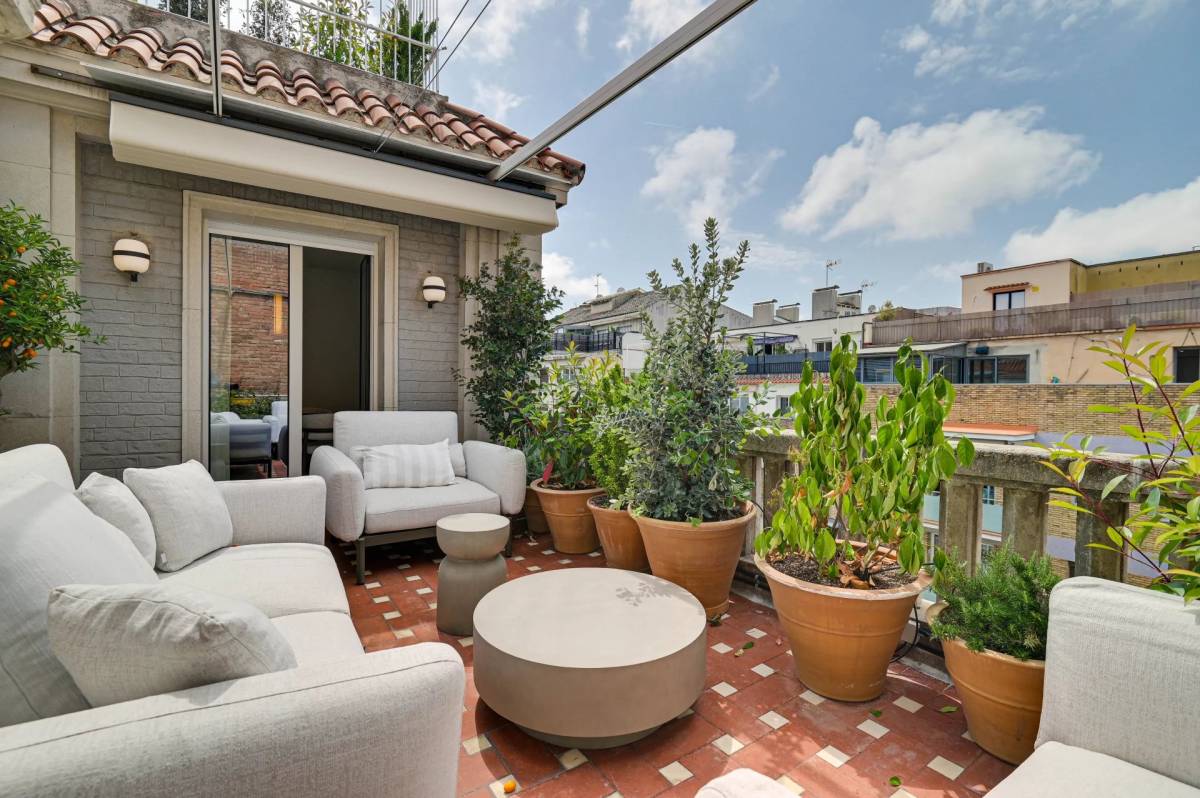
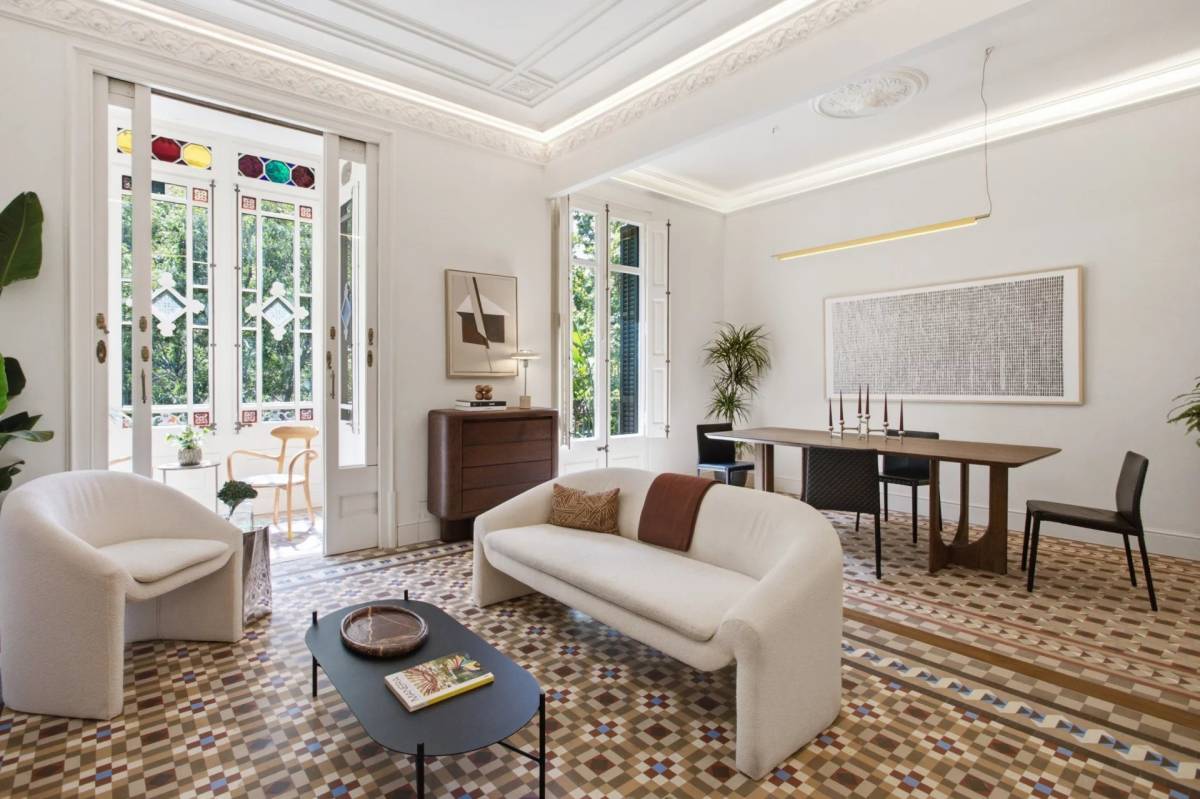
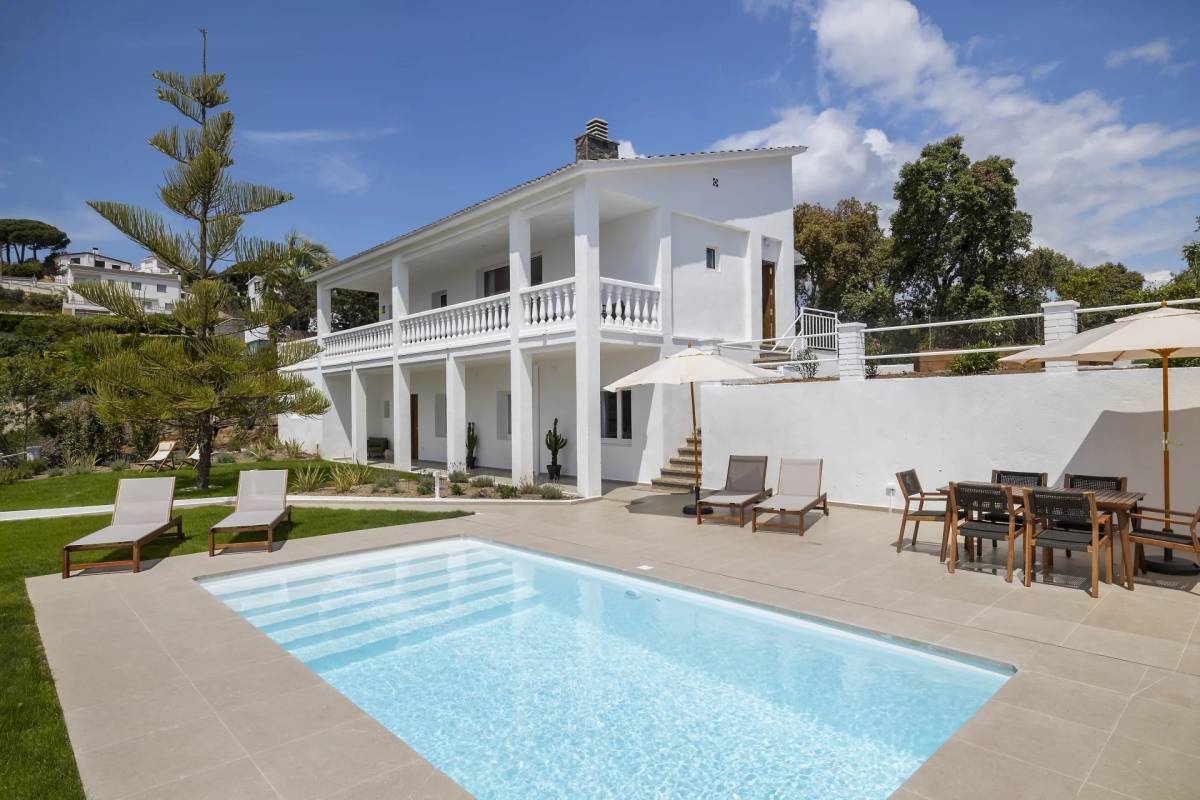
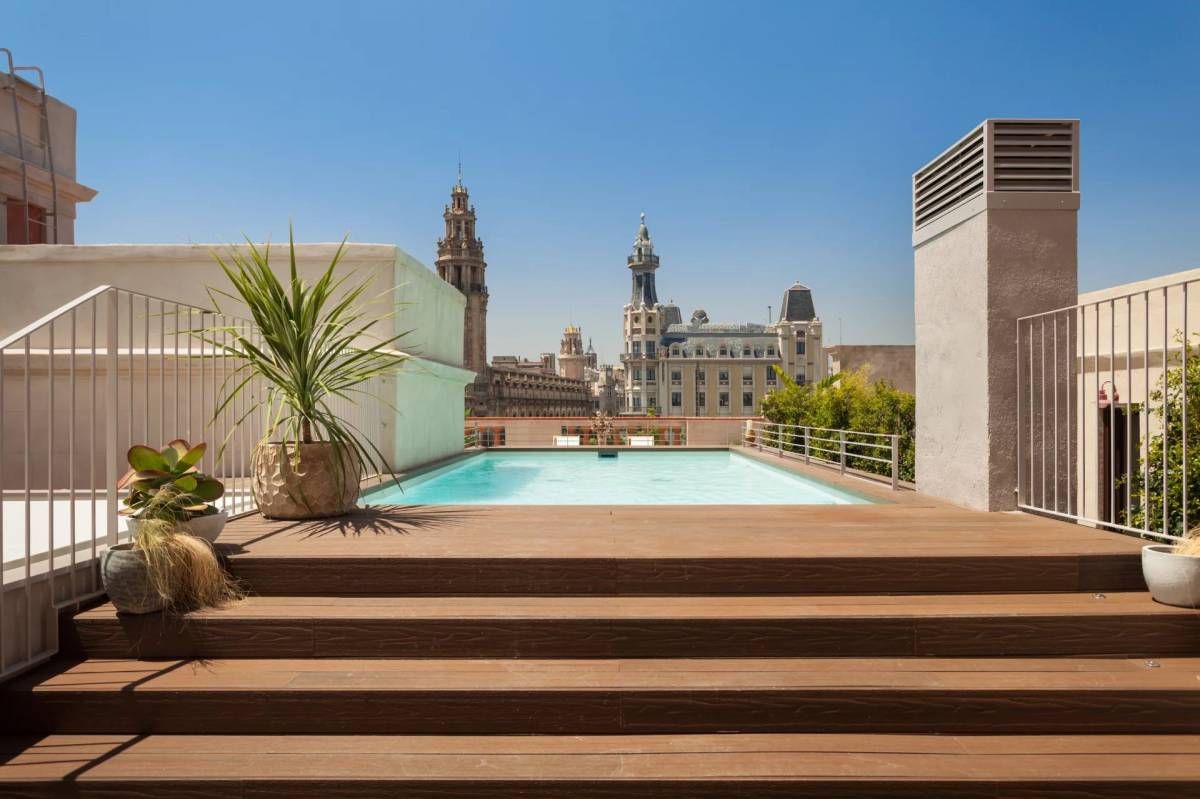
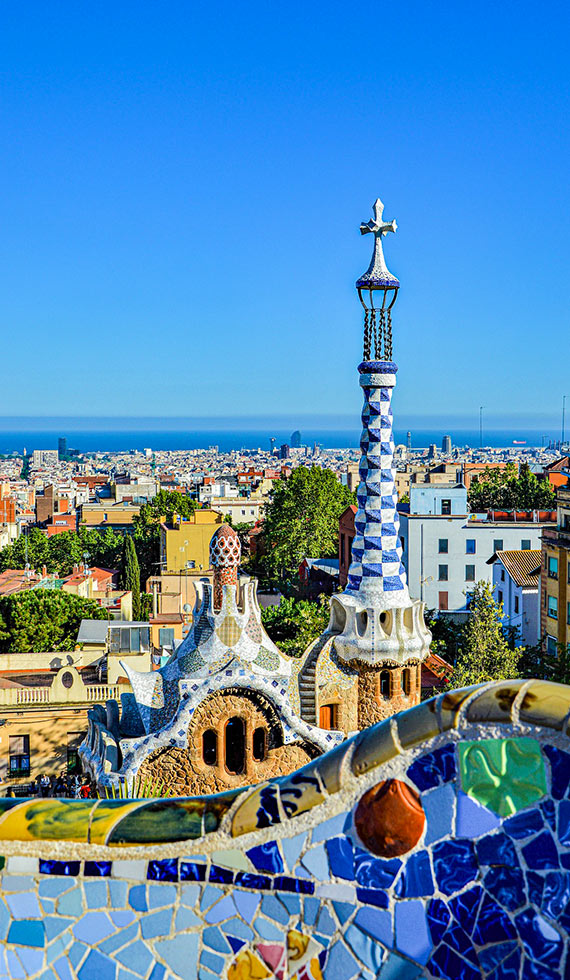
In the prime market, high-end materials aren’t a mere aesthetic whim: they underpin a property’s durability, efficiency, and asset value. Whether it’s a modernist building in the Eixample, a sea-view villa in the Maresme, or a restored masia in the Empordà, material choices determine quality of life, how the asset ages, and how it appreciates over time.
1) Real value: beyond the “look”
-
Technical performance. Solid oak flooring, large-format sintered porcelain, or a well-selected marble don’t just “look good”: they deliver abrasion resistance, dimensional stability, and easy maintenance.
-
Feel and comfort. Quality is felt by touch and sound: doors that close without vibration, quiet floors, surfaces warm or cool to the touch depending on the season.
-
Appreciation. In the Barcelona luxury residential segment, the market rewards renovations with an impeccable spec sheet; the technical dossier weighs as much as the location.
2) Key materials that elevate a property
Natural stone (marble, limestone, quartzite, travertine).
Ideal for worktops, bathrooms, and signature pieces. Brings nobility and unique character. For high-traffic areas, consider honed or bush-hammered finishes for better grip.
Noble woods (oak, walnut, iroko).
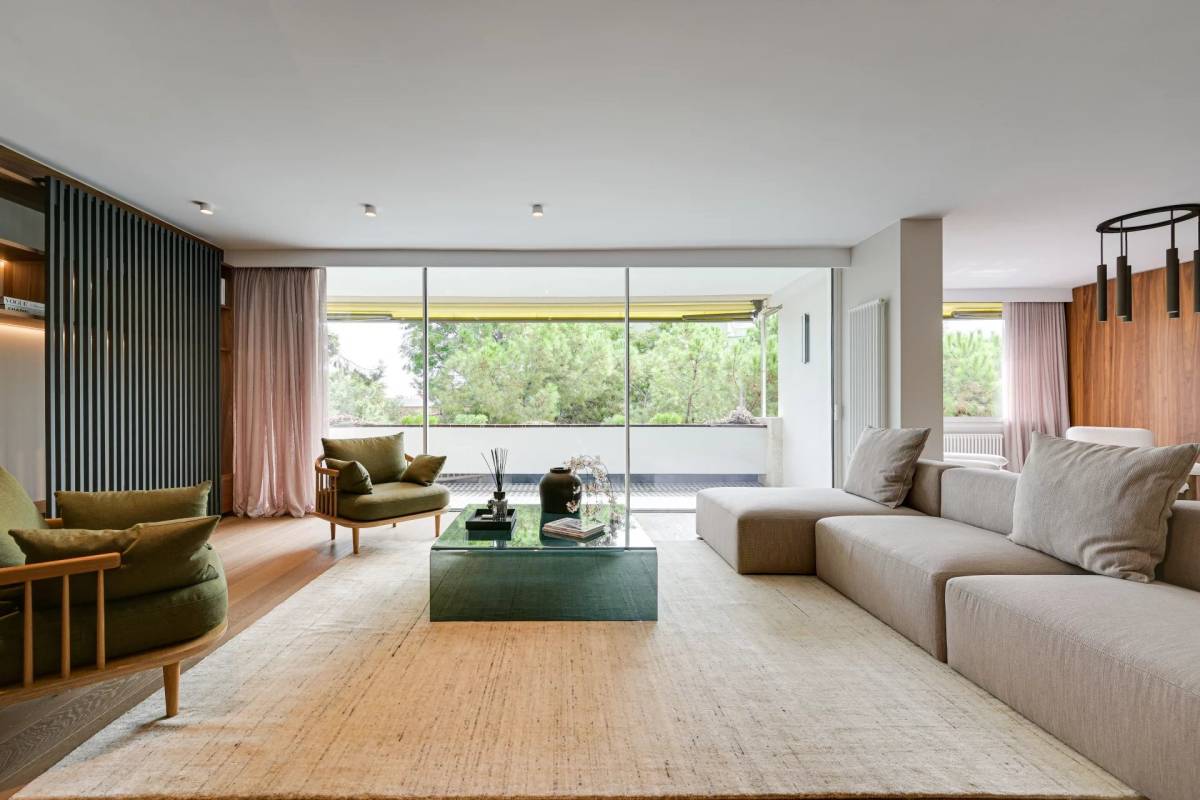
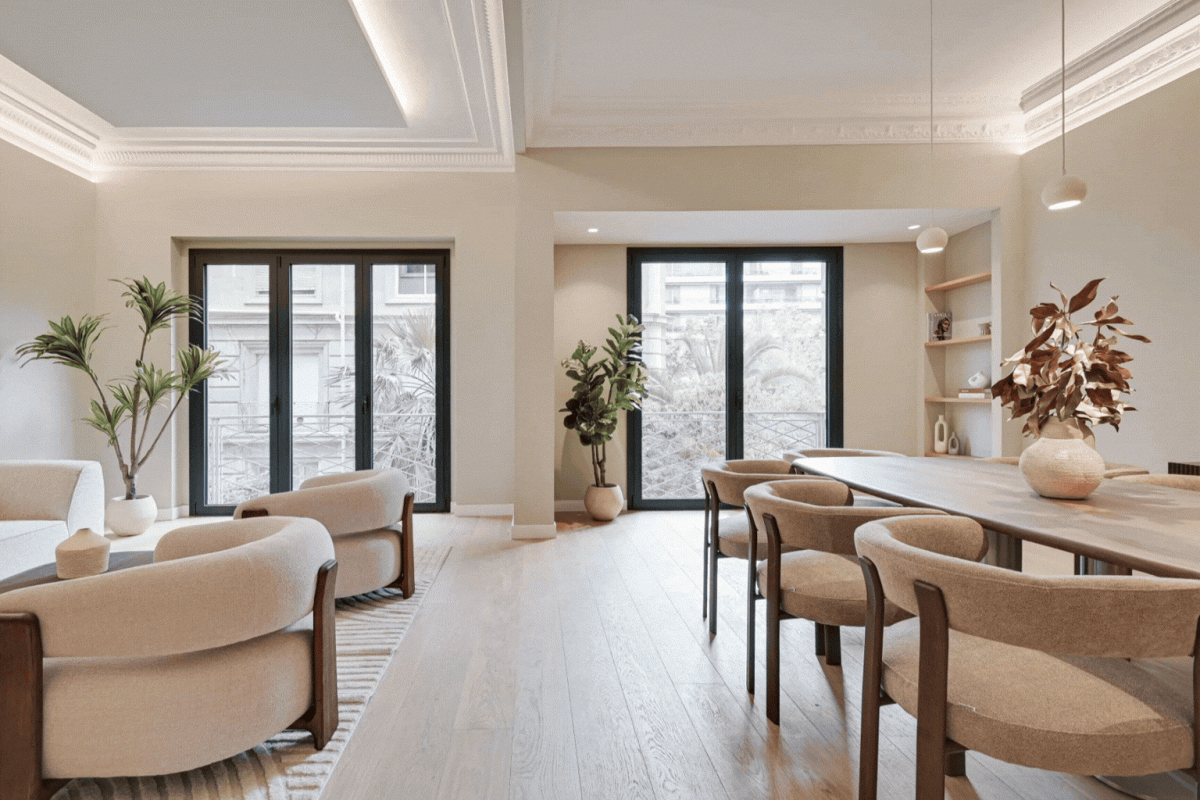
In flooring and millwork: warmth and natural acoustic insulation. Ask for moisture content, FSC/PEFC certification, and low-emission finishes (low-VOC per EN 71-3).
Statement metals (brass, bronze, stainless steel AISI 316).
Hardware, railings, and lighting with authentic patinas. On the coast, choose AISI 316 for salt-air corrosion resistance.
Large-format sintered porcelain.
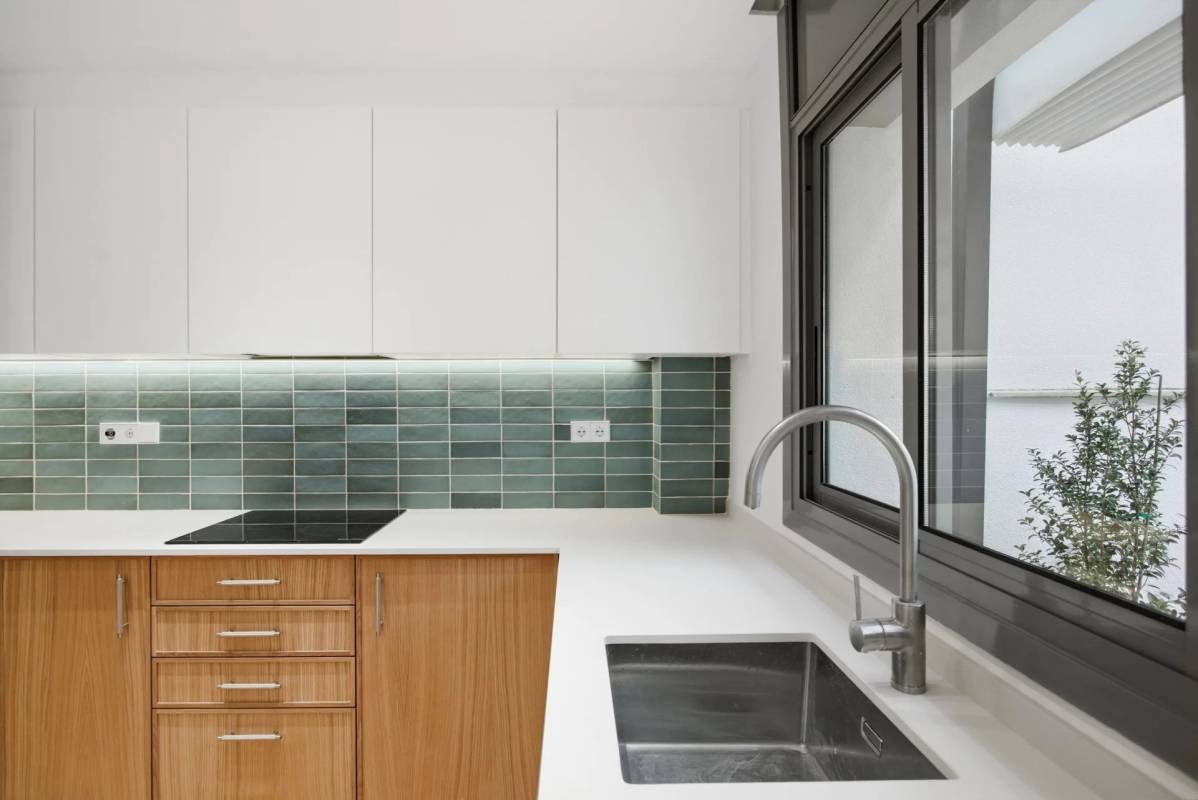
Countertops, continuous wall cladding, and kitchen volumes with near-zero porosity, high thermal resistance, and minimal upkeep.
High-performance glazing.
Double or triple glazing with solar control, low-e coatings, and acoustic attenuation (laminated 44.2 or higher). Essential for sun-exposed façades and urban settings.
Microcement and mineral mortars.
Continuous, contemporary, slip-resistant finishes; require professional substrate prep and sealing to prevent cracking.
Technical textiles & reconstituted stone.
Outdoors: marine-grade fabrics with UV protection and draining stones that reduce slipperiness and heat build-up.
3) Health, efficiency, and sustainability
-
Indoor air quality. Adhesives, paints, and varnishes with low VOC (A+ labels or equivalent) improve wellbeing.
-
Energy efficiency. An envelope with natural insulations (cork, cellulose) and thermally broken frames cuts energy demand (and bills) without sacrificing aesthetics.
-
Environmental footprint. Compare EPDs (Environmental Product Declarations), recycled content, and logistics; a European quartzite with an EPD may be more responsible than a long-haul exotic stone.
4) Critical zones: where not to cut corners
-
Kitchens & bathrooms. Water, heat, heavy use: choose surfaces that are stain-resistant, acid-resistant, and anti-slip (Class 3 outdoors).
-
Exterior joinery. Poor frames or glazing ruin thermal/acoustic comfort. Demand certified Uw and Rw values.
-
The “invisibles.” Pipework, waterproofing, acoustic membranes: the unseen prevents pathologies.
5) Common mistakes (and how to avoid them)
-
Choosing from a catalogue alone. Request real samples, view full slabs, and visit showrooms under lighting similar to your home.
-
Separating material from system. Large formats need perfect flatness and specific adhesives; timber requires perimeter joints and humidity control.
-
Forgetting maintenance. Set cleaning protocols and touch-up kits; a well-sealed marble patinates beautifully.
6) Express checklist for a high-end renovation
-
Specifications with technical sheets, warranties, and test results (resistance, VOC, EPD).
-
Approved sample and reserved batch (matched vein/tone).
-
Construction details (joints, edges, junctions with joinery).
-
Installation plan (timeline, qualified crew, tooling).
-
Maintenance manual and spares stock (extra tiles/planks).
7) Use cases: Barcelona, Maresme, Empordà
-
Eixample: preserve Nolla floors and original millwork; add acoustic double glazing and efficient HVAC underfloor.
-
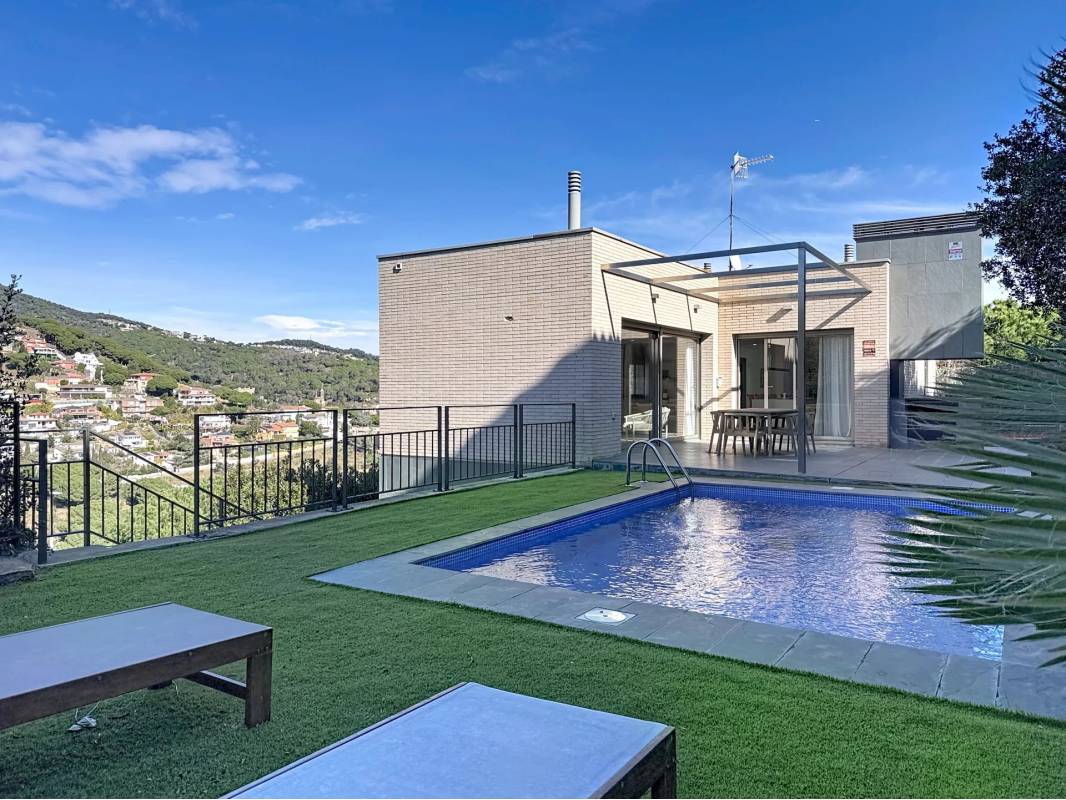
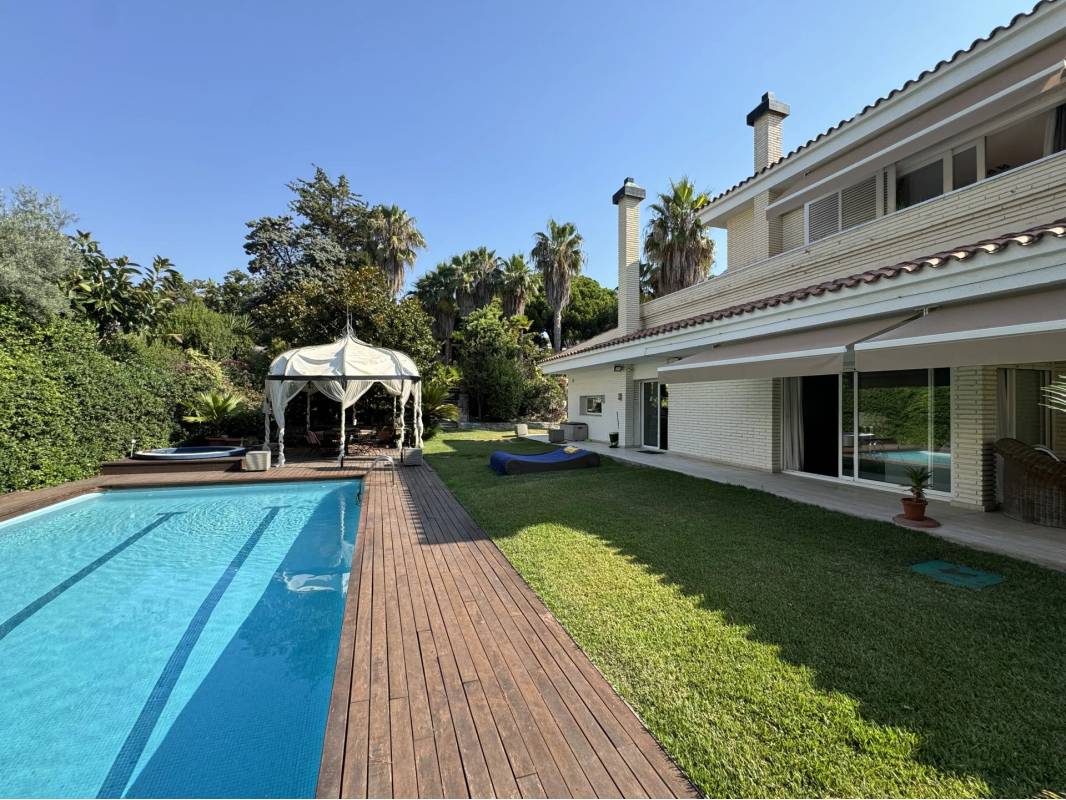
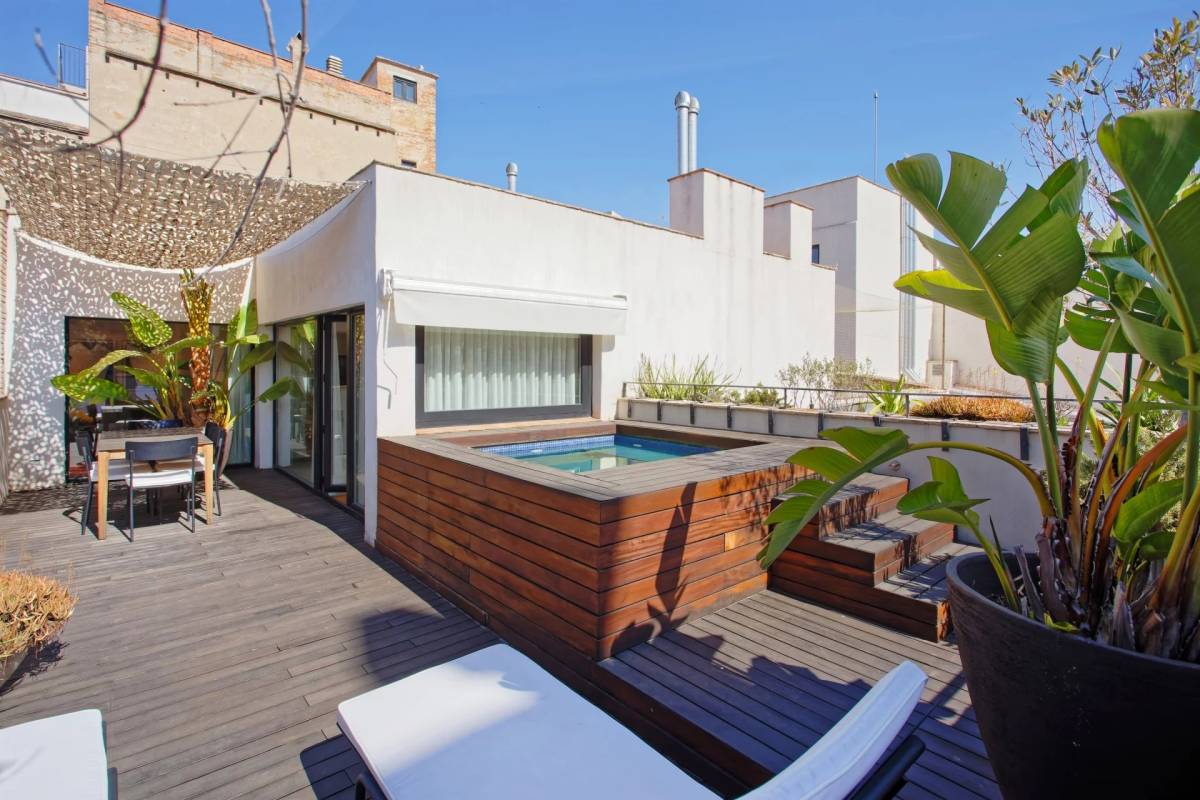
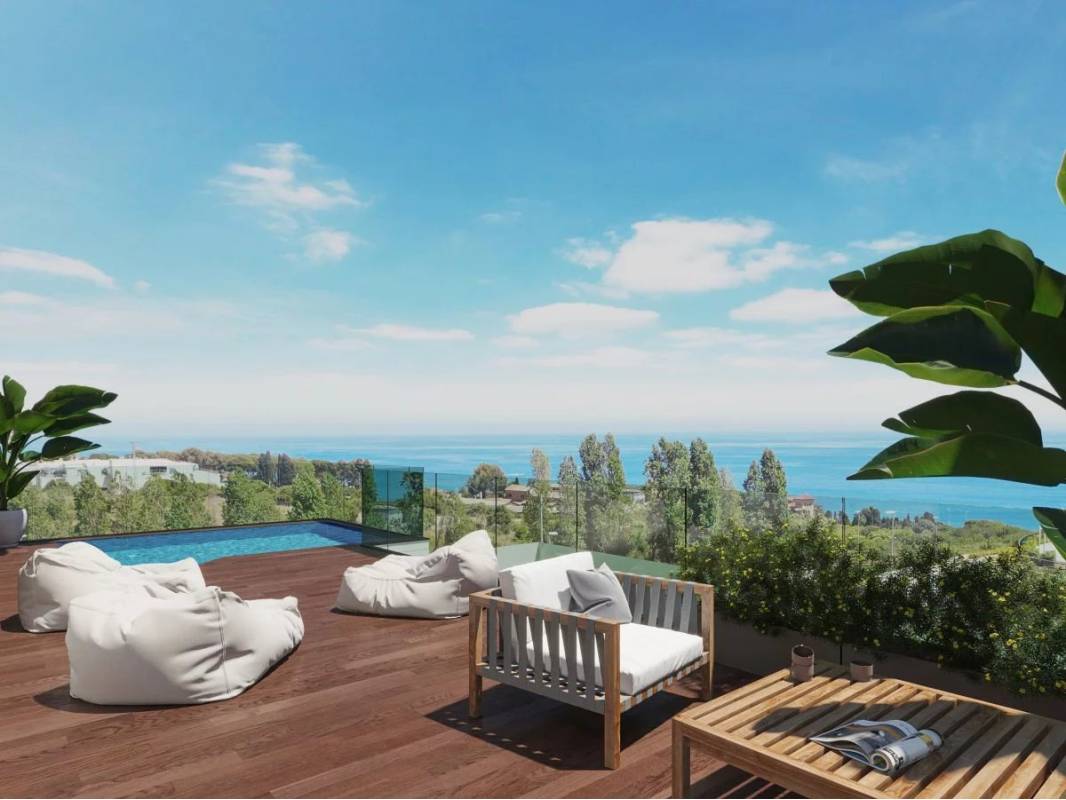
Maresme: outdoors with low-absorption stone, AISI 316 steel, and treated woods for marine climates.
-
Empordà: dialogue between local stone, hydraulic limes, and discreet tech (air-to-water heat pumps, photovoltaics) in listed masias.
8) Premium & ROI
In new builds and full luxury renovations, the equation noble materials + expert installation + documentation yields:
-
Lower corrective CapEx over 10–15 years.
-
Higher valuations and shorter time-to-sale.
-
Superior user experience (comfort, silence, tactility, light).
Conclusion
Investing in high-end materials protects your asset, your comfort, and your time. It’s not only which material you choose, but how it’s detailed, who installs it, and what guarantees document it. If you plan to buy, renovate, or sell a prestige home in Barcelona, the Maresme, or the Costa Brava, let an expert team orchestrate design + engineering + execution for a beautiful, efficient, and durable result.
At BARNES Barcelona, we work with verifiable specs, best-in-class suppliers, and full project management so your investment in materials pays off today—and in 20 years.