Camí de Ronda: the most beautiful coastal walk for coves, villages, and Mediterranean lifestyle
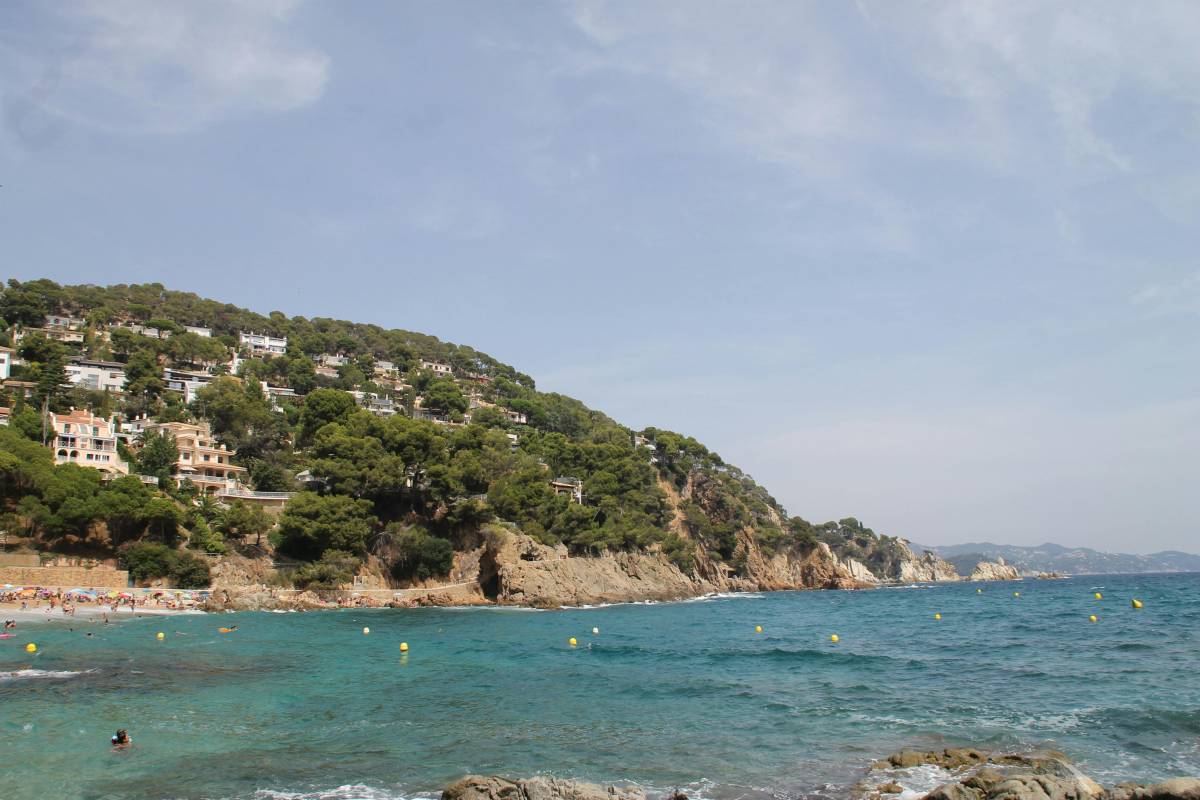
The Camí de Ronda is far more than a coastal path—it’s the most authentic way to experience the Costa Brava on foot. Linking hidden coves, cliffs, pine forests, and seaside villages, it offers some of the most photogenic landscapes in the Mediterranean. Whether you’re planning a getaway—or even considering a second home—knowing the Camí de Ronda helps you understand why Girona’s coastline continues to captivate both local and international buyers.
What is the Camí de Ronda (and why does it exist)?
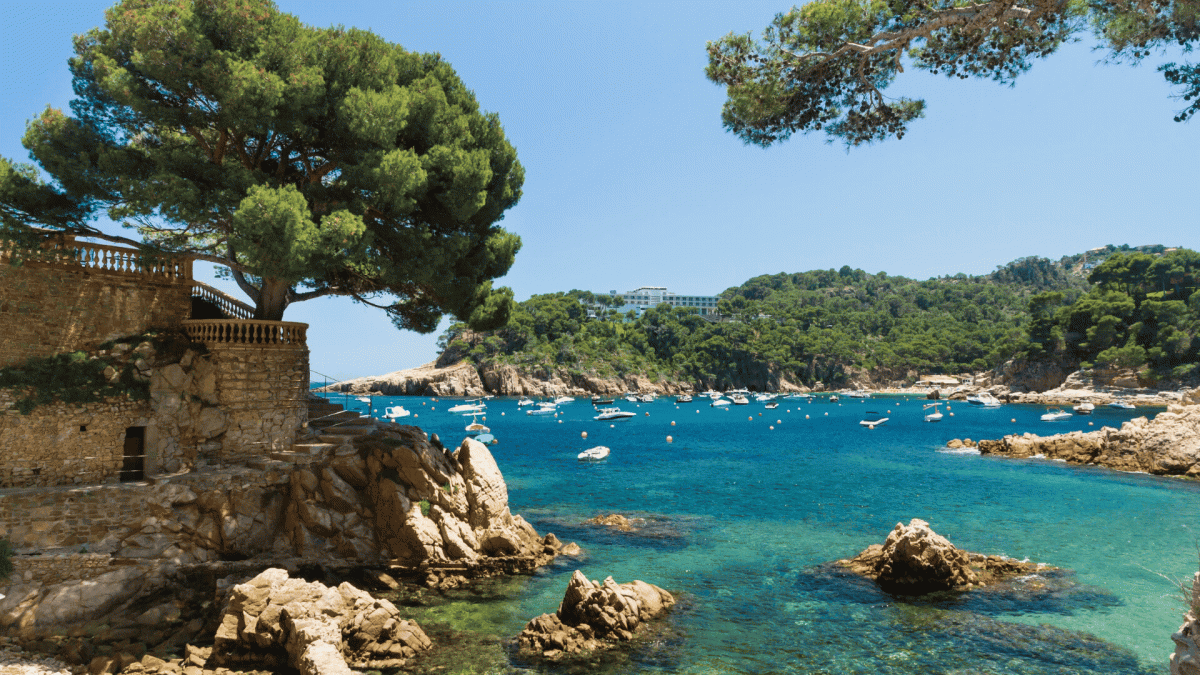
Historically, the Camí de Ronda was a coastal surveillance and connection route, used by fishermen, locals, and maritime patrols. Today, it’s a network of signposted stretches that let you walk the Costa Brava with spectacular sea views, connecting beaches, small bays, and historic town centers.
It’s not one perfectly continuous trail: it’s made up of sections that vary in difficulty, width, and condition—but they all share the same essence: walking with the sea as your constant horizon.
The most iconic stretches of the Camí de Ronda
1) S’Agaró Vell – Platja de Sa Conca – Sant Pol (elegance and postcard views)
One of the most famous sections for its beauty and accessibility. You’ll pass Mediterranean gardens, historic bathing huts, and stone viewpoints. Perfect if you want an easy route with “classic Costa Brava” charm.
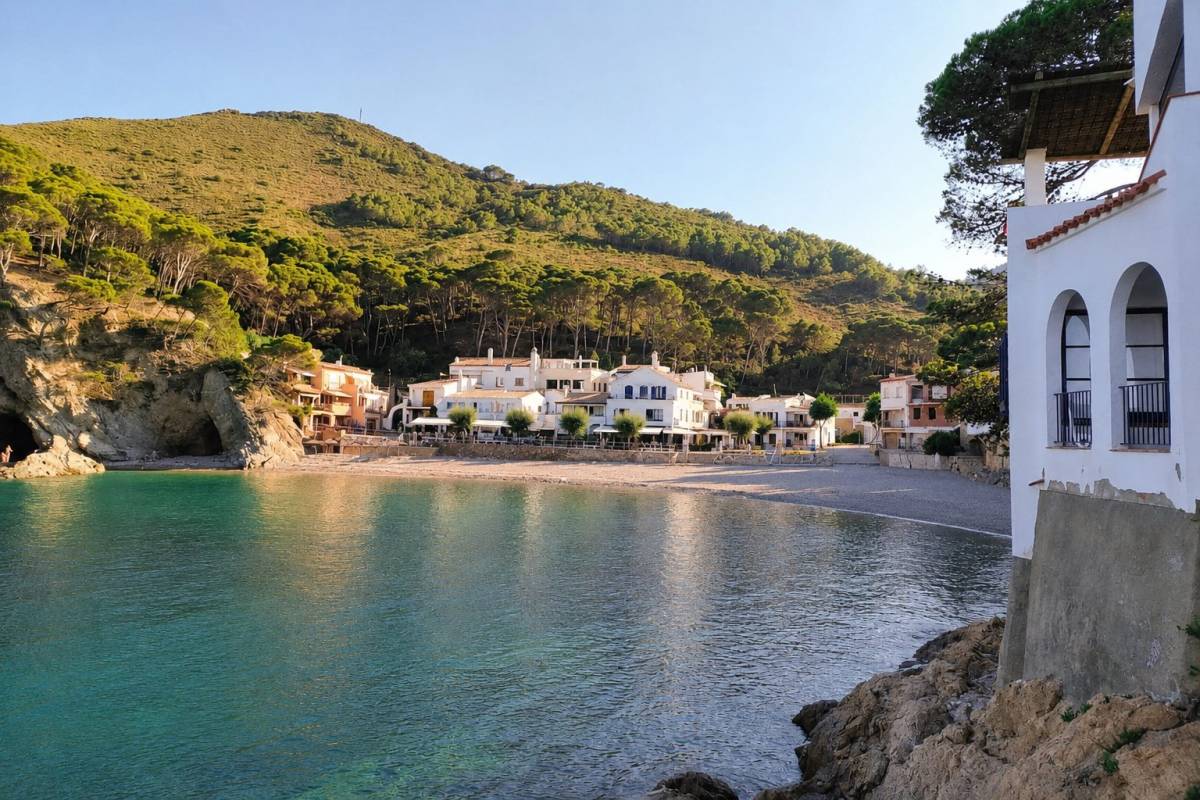
2) Calella de Palafrugell – Llafranc (timeless Costa Brava)
Short but stunning, with rocky paths, pine shade, and small coves. Ideal at sunset, ending with dinner by the sea. This area embodies a discreet, refined lifestyle.
3) Begur: from Aiguablava to Tamariu (turquoise coves and cliffs)
Here the landscape feels cinematic: transparent water, pines on rock, and descents to tiny beaches. There’s more elevation change, but the views are truly worth it.
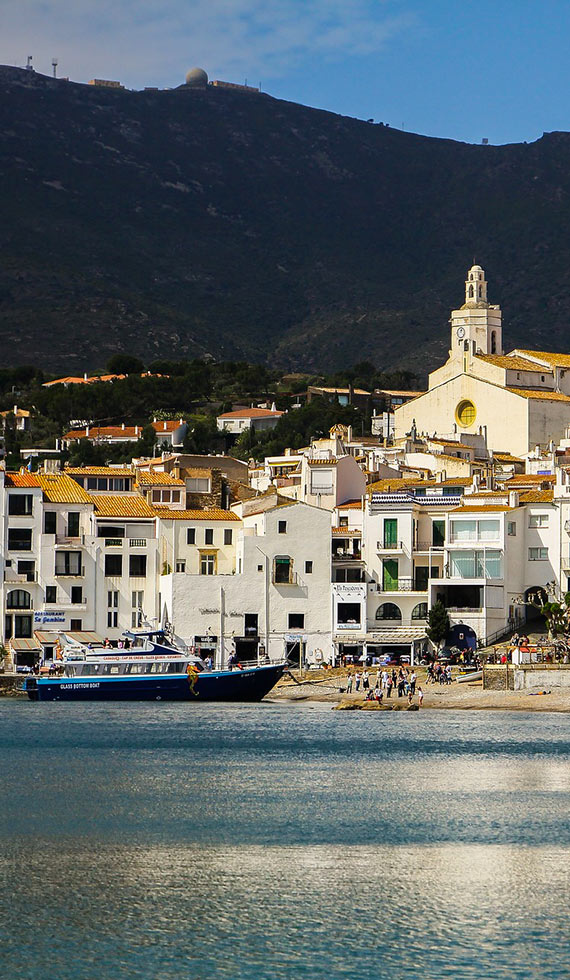
4) Cadaqués – Cap de Creus (wild beauty)
Further north, the scenery becomes more dramatic and rugged. Cap de Creus is pure character—wind, stone, and open sea. One of the most striking stretches for nature lovers.
What to see and do along the way
-
Cove-hopping: walk from cove to cove and stop for a swim.
-
Snorkelling: many coves have rocky seabeds perfect for marine life.
-
Gastronomy: rice dishes, fresh market fish, suquet, and Catalan cuisine with sea views.
-
Photography: sunrise and sunset light on cliffs and pine-lined bays.
-
Culture: villages with history, seaside chapels, and Mediterranean architecture.
Practical tips to enjoy it fully
-
Best season: spring and autumn (milder temperatures, fewer crowds, gorgeous light).
-
Summer: start early—many coves fill up and the sun is intense.
-
Footwear: light hiking shoes or trainers with good grip.
-
Water and sunscreen: essential even on cloudy days.
-
Plan your return: many stretches are linear—consider taxi, bus, or a loop route.
The Camí de Ronda as a lifestyle—and an investment signal
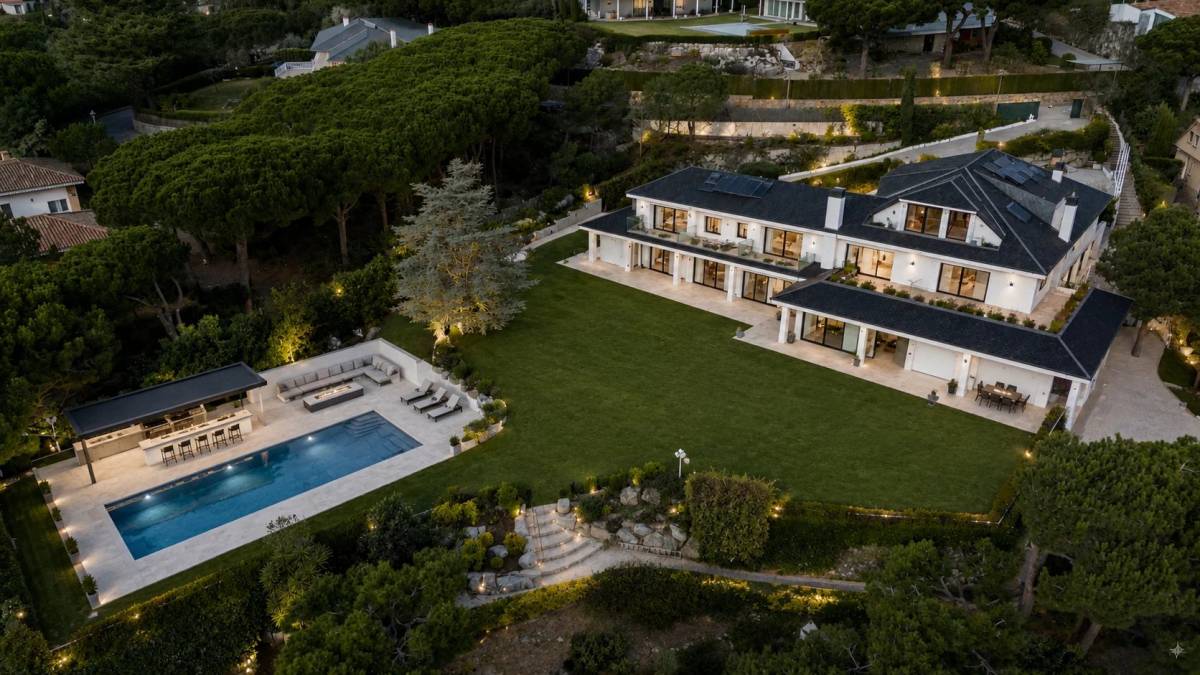
For many buyers, the Camí de Ronda isn’t just an activity; it’s a quality-of-life indicator. Living near these trails means:
-
walking by the sea year-round,
-
reaching coves within minutes without relying on the car,
-
enjoying a low-density Mediterranean lifestyle,
-
and choosing a destination with stable international demand.
Places like S’Agaró, Begur, Calella de Palafrugell, Llafranc, and Tamariu stand out precisely for that mix of landscape, exclusivity, services, and authenticity.
Where to stay if you want to do it in stages
-
S’Agaró / Sant Feliu de Guíxols: ideal base for elegant, accessible stretches.
-
Palafrugell / Calella / Llafranc: for routes plus gastronomy and seaside charm.
-
Begur / Tamariu: for turquoise coves and a more boutique feel.
-
Cadaqués: for an artistic, wilder escape.
Conclusion
The Camí de Ronda is one of the best ways to understand the Costa Brava: walking between cliffs, pines, and the sea, linking coves that feel almost private and villages that still hold their identity. It’s perfect for a getaway—and a clear clue as to why the Costa Brava has become a prime destination to live and invest.
At BARNES Costa Brava, we know these enclaves deeply and the lifestyle they offer. If you’re considering a second home near the sea—or want expert guidance to invest in the most exclusive locations along the Camí de Ronda—we’ll be delighted to advise you with discretion and strong local insight.
Comments (0)

No comments, be the first to react to this article!