Barcelona: why the city remains a safe choice to live and invest
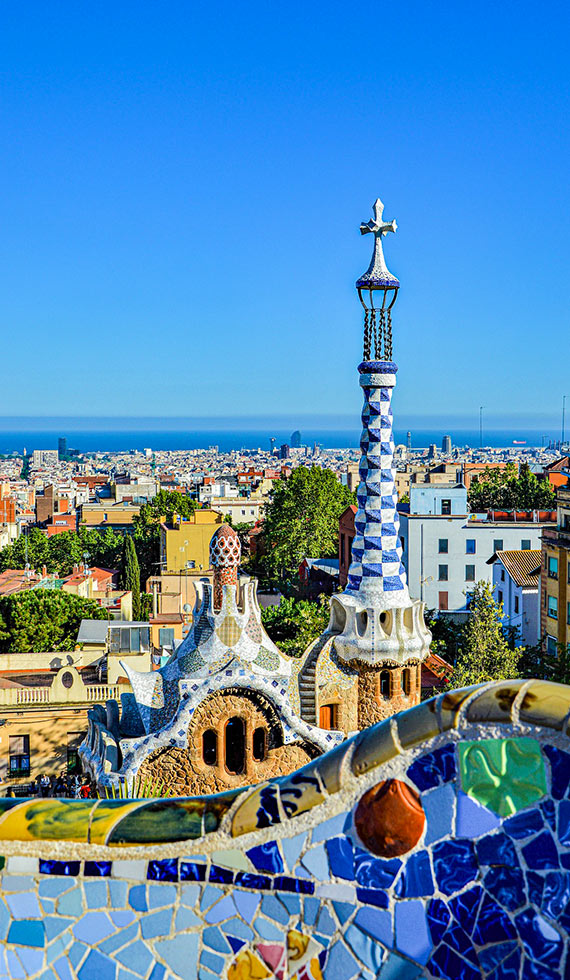
Barcelona doesn’t need extra adjectives to be instantly recognisable. You feel its identity in the light, the architecture, the rhythm of the streets, and that unique blend of Mediterranean ease and global-city energy. That’s why people rarely compare “square metres” alone when buying here—they compare lifestyle, international projection, and long-term patrimonial value.
At BARNES Barcelona, we see it clearly: interest in the city remains steady and, in the prime segment, increasingly selective. Today’s buyer wants location, yes—but also building quality, an impeccable renovation, and a home that truly feels like a home.
A global city with a Mediterranean soul
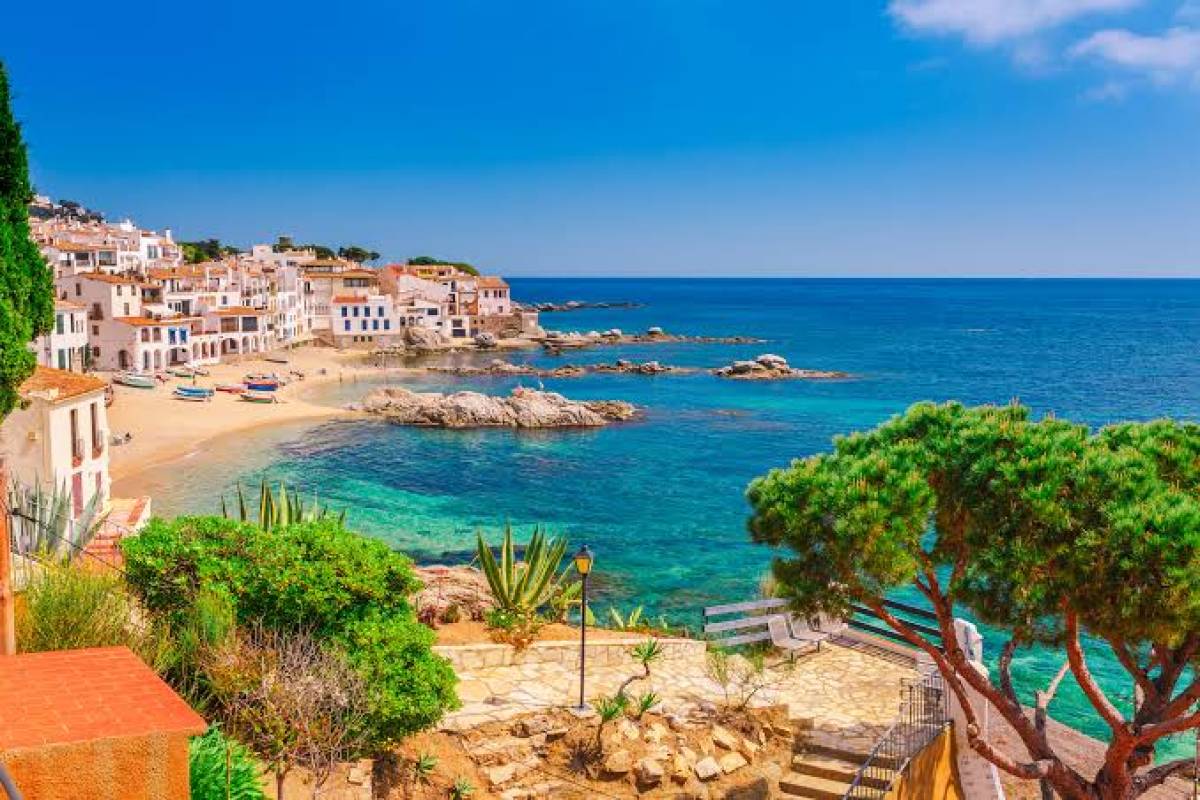
Barcelona combines what many European destinations offer separately: culture and beach, gastronomy and design, walkable neighbourhoods and international connectivity. That mix keeps the city attractive to three key profiles:
- International buyers seeking a European base with real quality of life.
- Families who want city living but value schools, services, and well-connected residential areas.
- Patrimonial investors who prioritise scarce, defensible assets over time.
Add the momentum of ecosystems like 22@ and Barcelona’s positioning as a creative and tech-forward hub, and demand remains linked to international talent and mobility.
Where residential luxury concentrates (and why)
Barcelona’s prime market isn’t one single market—it’s a set of micro-markets where the street, the block, and even orientation can change value. Still, three broad axes tend to concentrate demand:
1) Heritage and urban living: character buildings and classic architecture
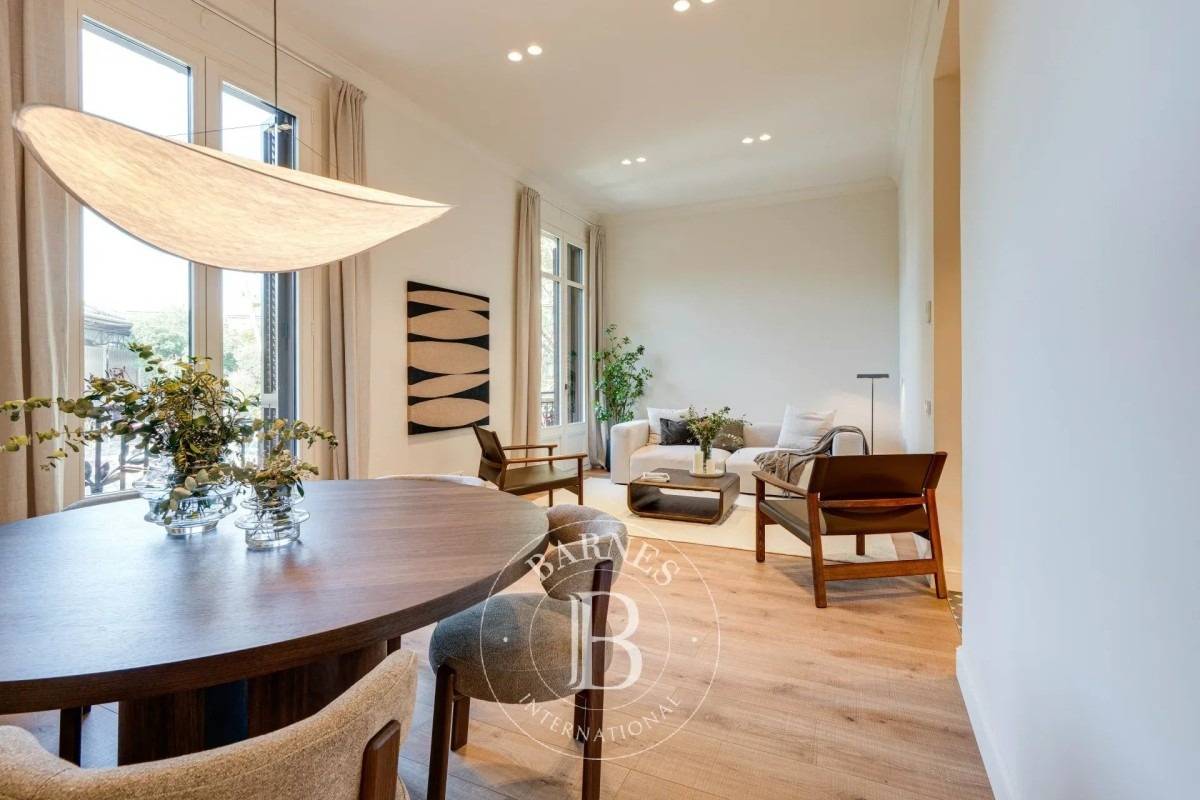
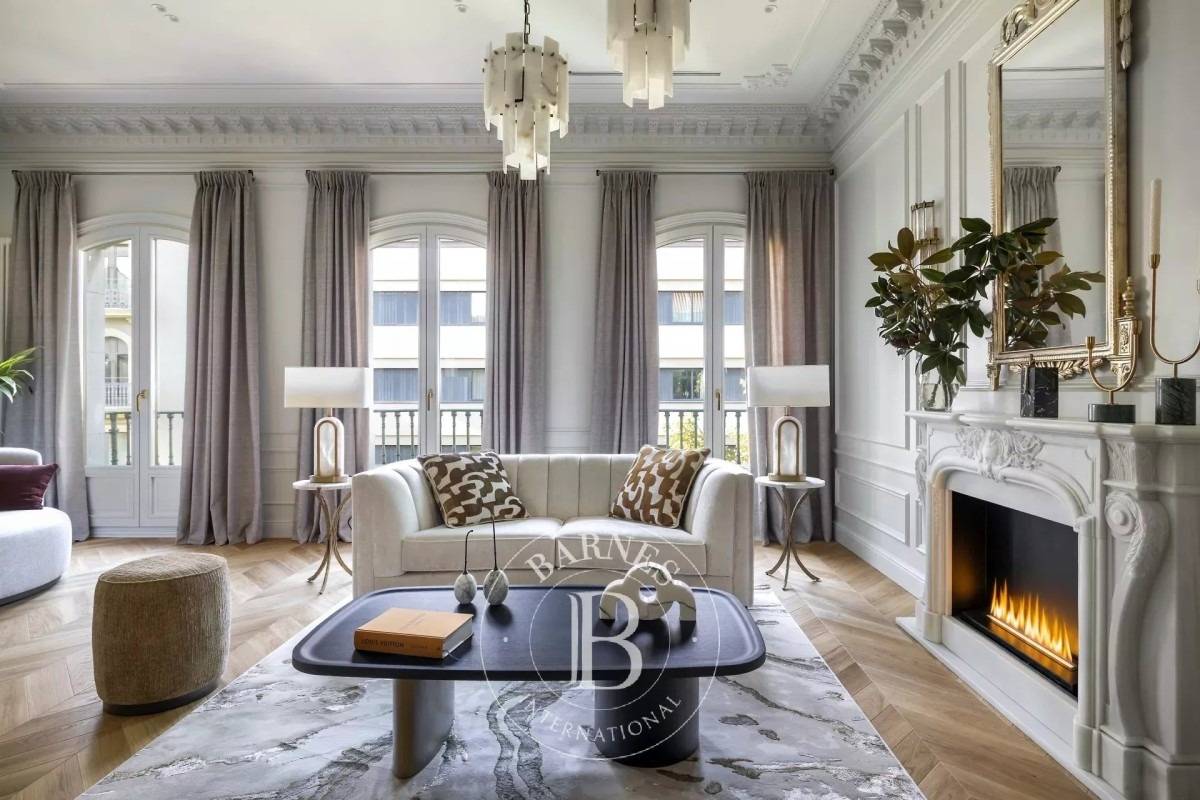
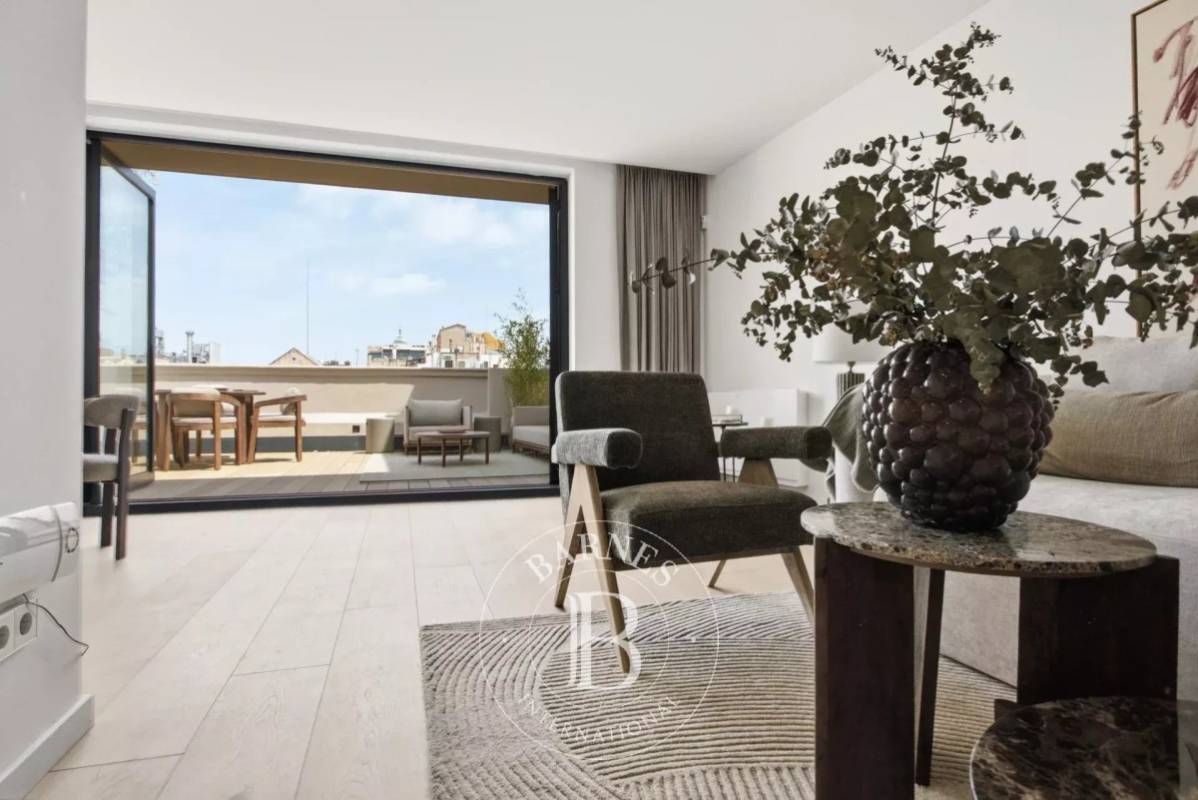
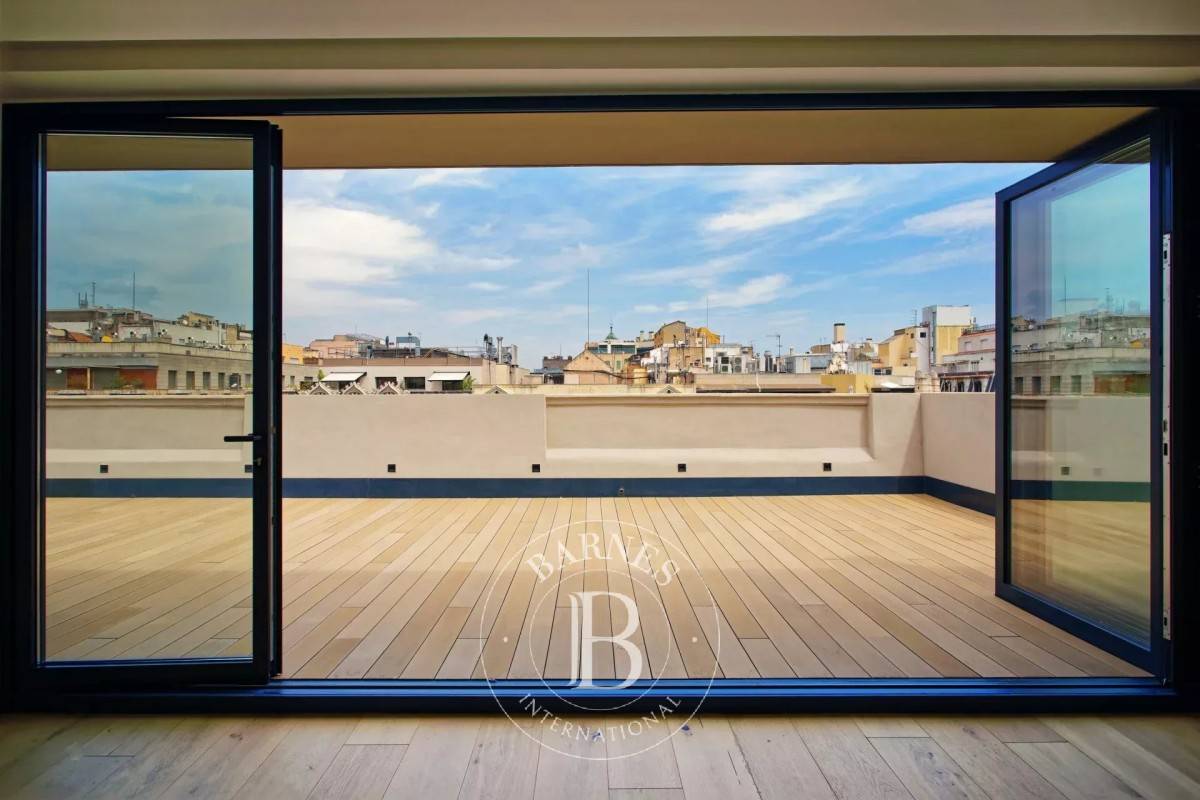
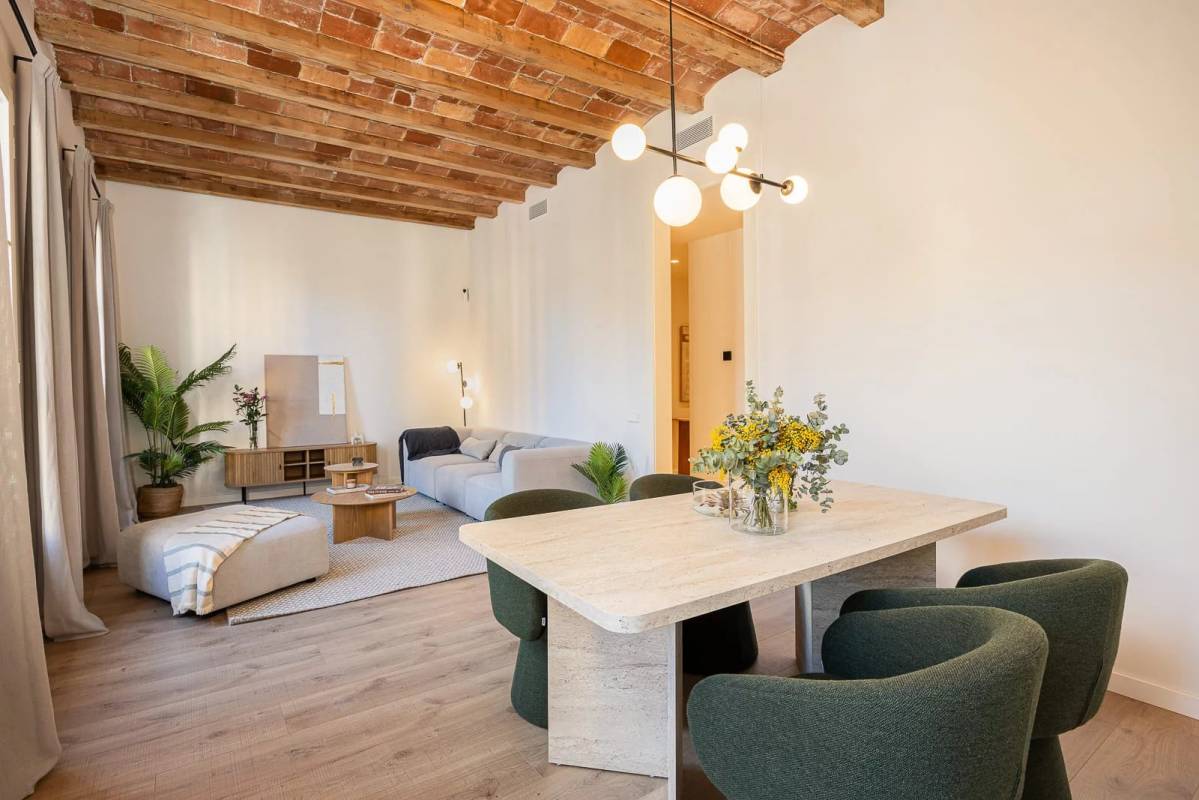
In consolidated areas, premium buyers look for high ceilings, generous proportions, balconies, and original features—paired with modern comfort. Value increases significantly when renovations are technically strong: insulation, zoned HVAC, high-performance windows, and a fluid, modern layout.
2) Family residential: calm, greenery, and discretion
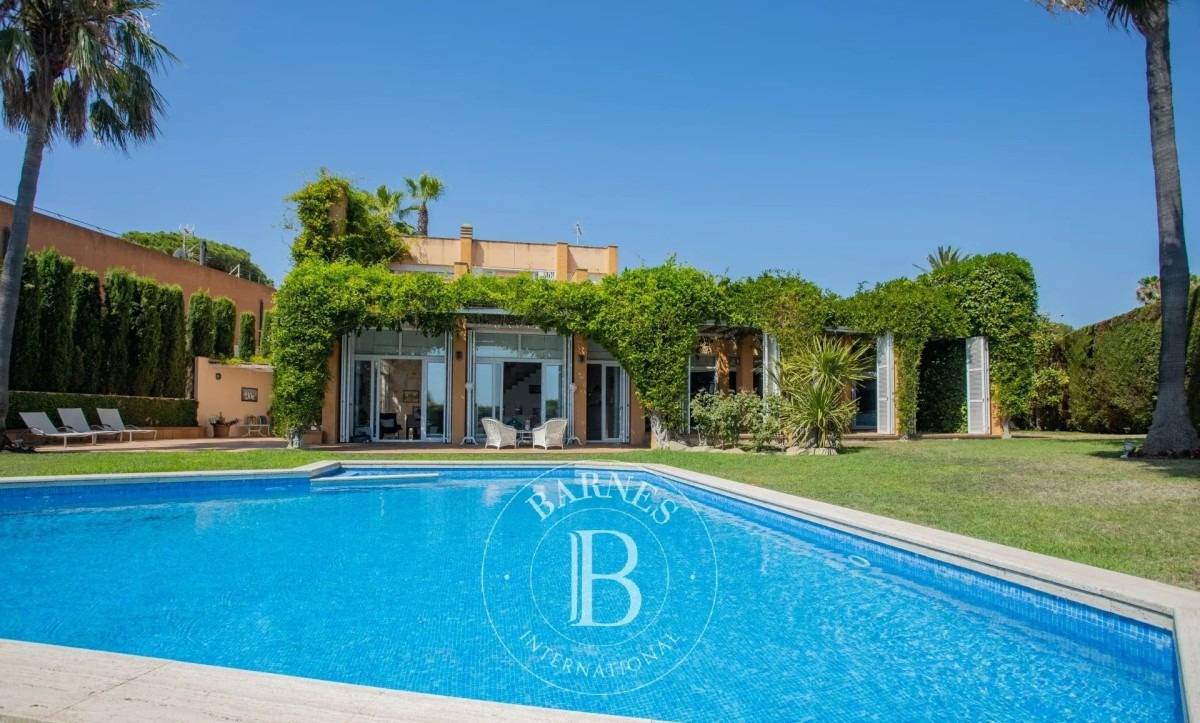
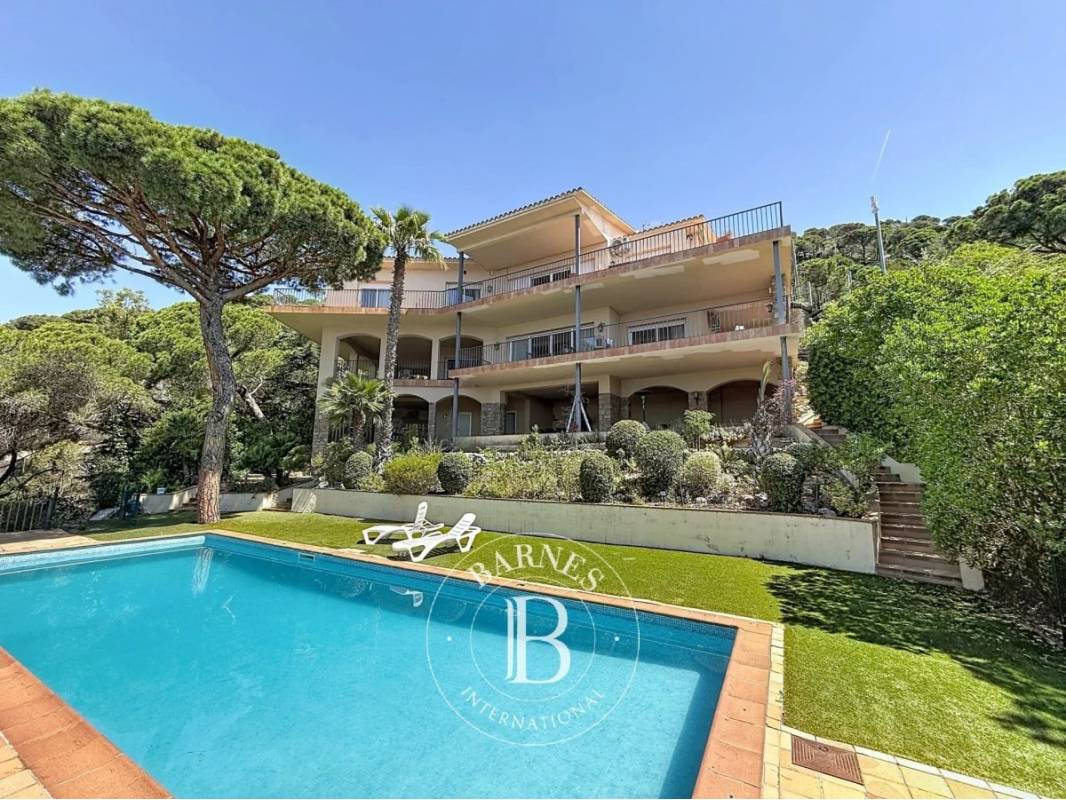
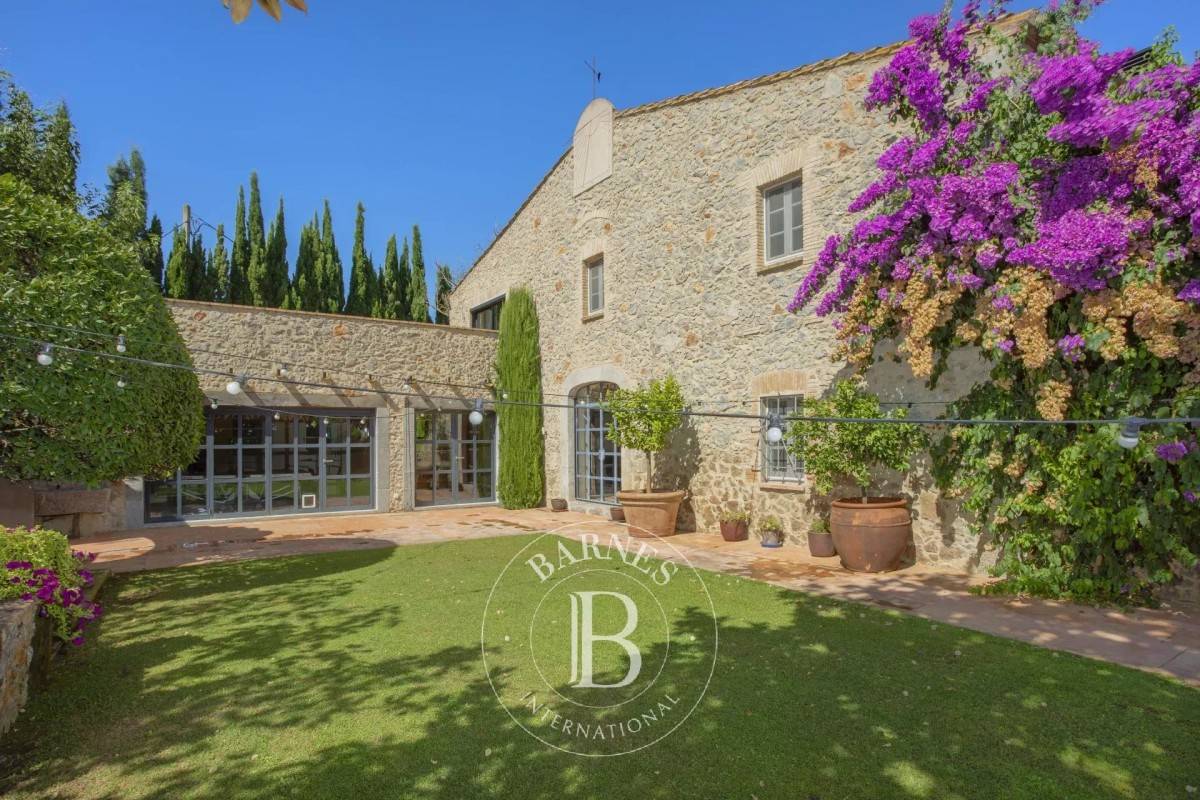
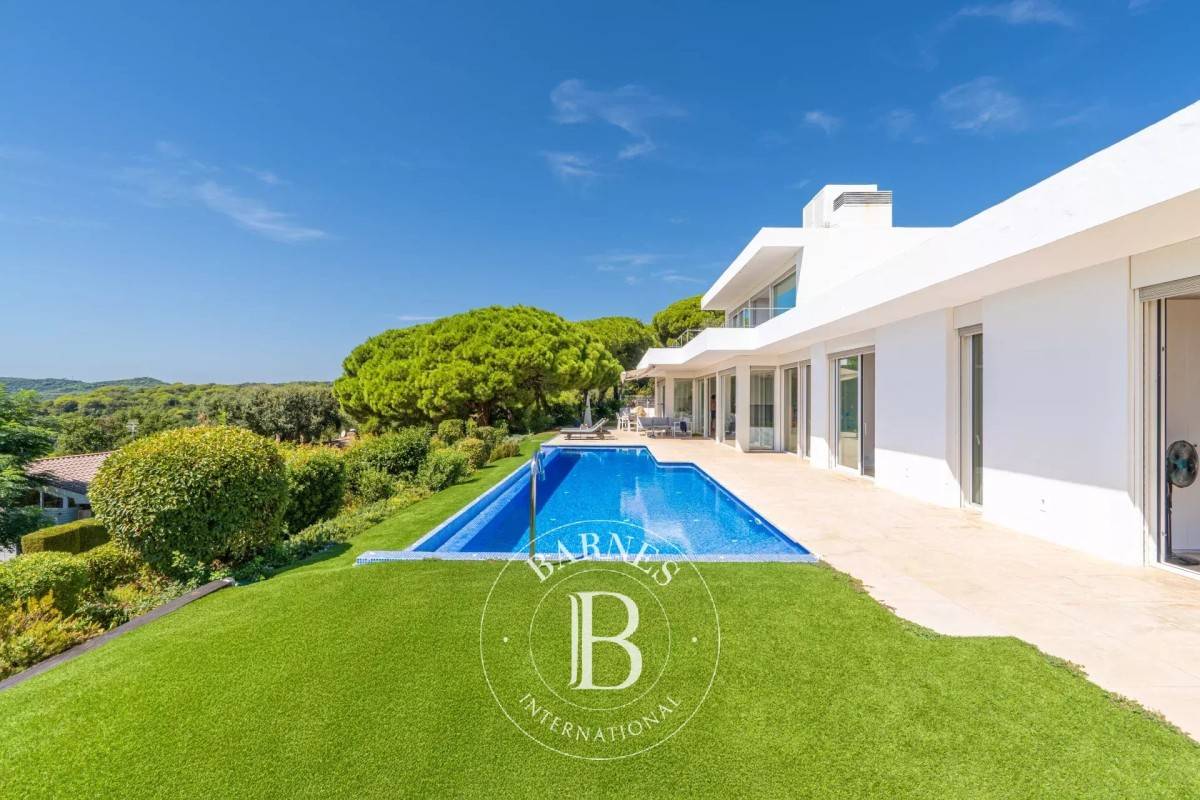
Some buyers prioritise a quieter kind of luxury: calmer streets, green surroundings, services, and outdoor space (large terraces, garden-level homes, or houses in residential pockets). Here, privacy matters as much as address.
3) Sea and contemporary living: modern product with services
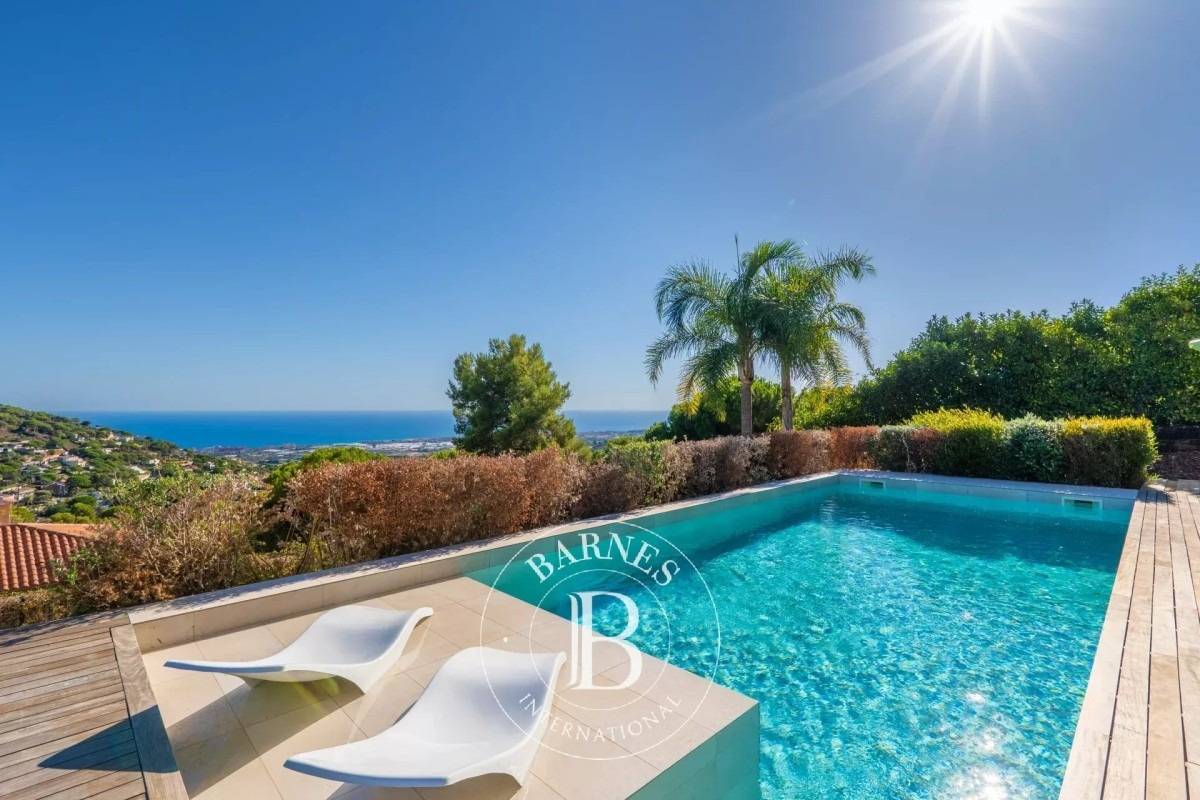
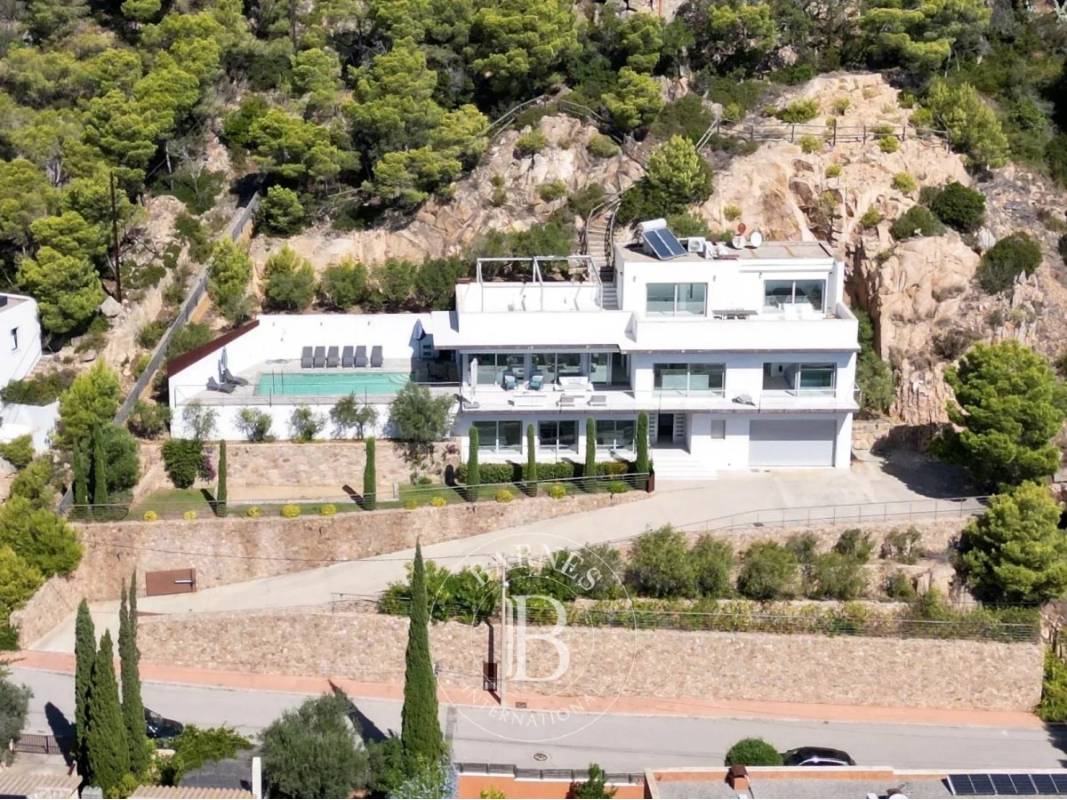
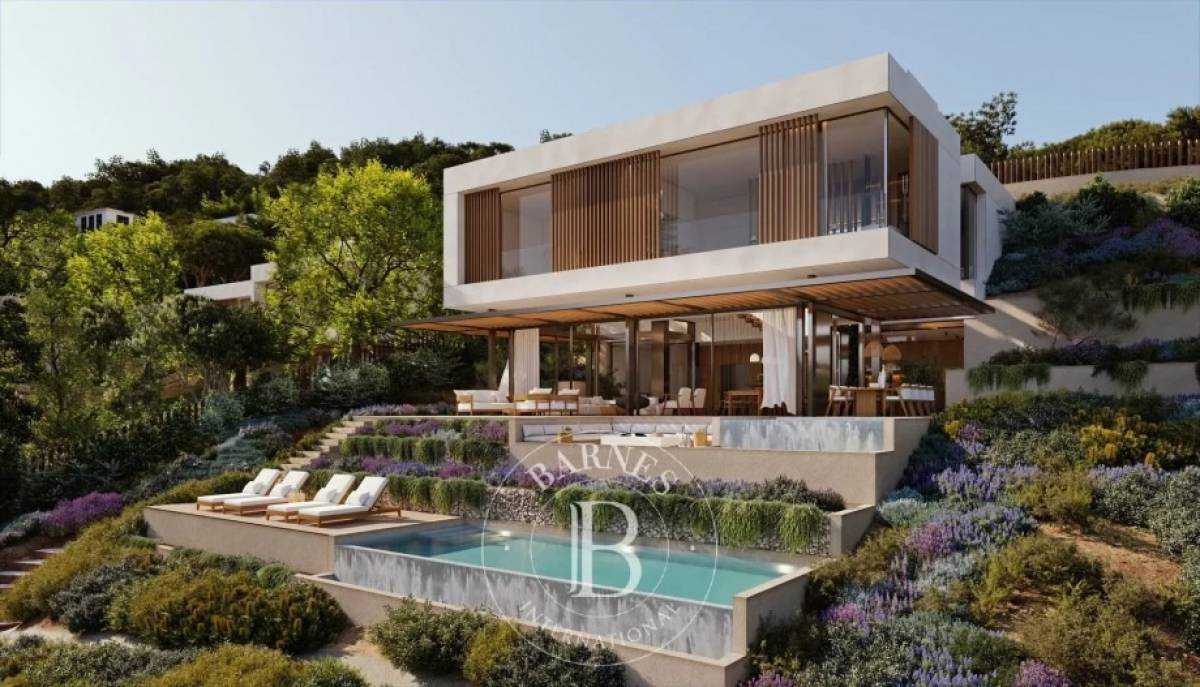
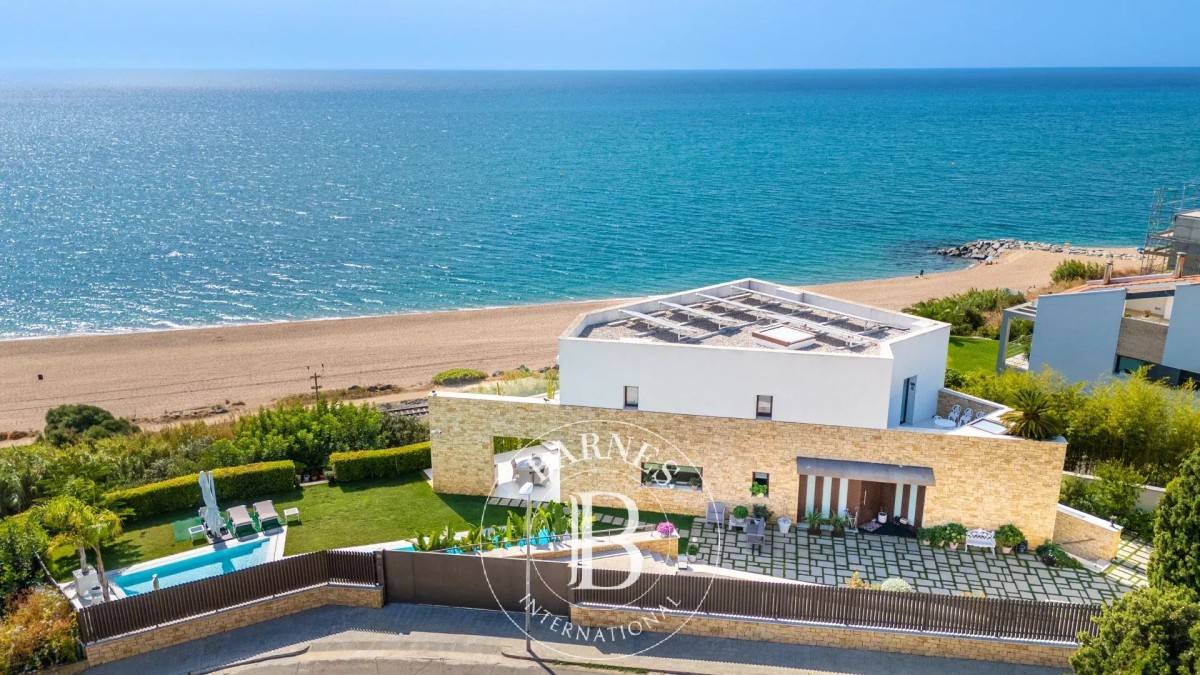
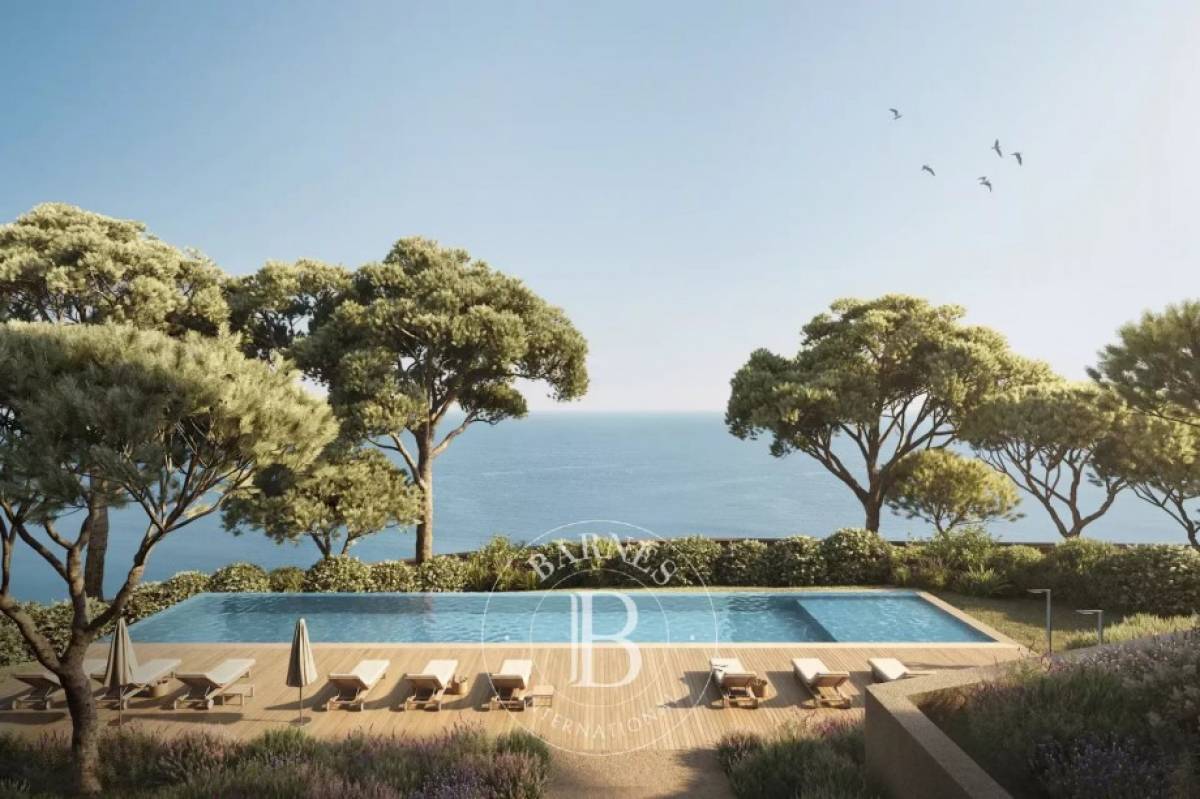
Another part of the market focuses on newer buildings with height, terraces, and sometimes amenities such as concierge, pool, or gym. This segment has strong international demand—especially when it combines views with low-maintenance living.
What prime buyers look for in Barcelona today
Luxury in 2026 is purchased more rationally—but also more emotionally. Demand tends to focus on homes that deliver four key pillars:
Light and orientation
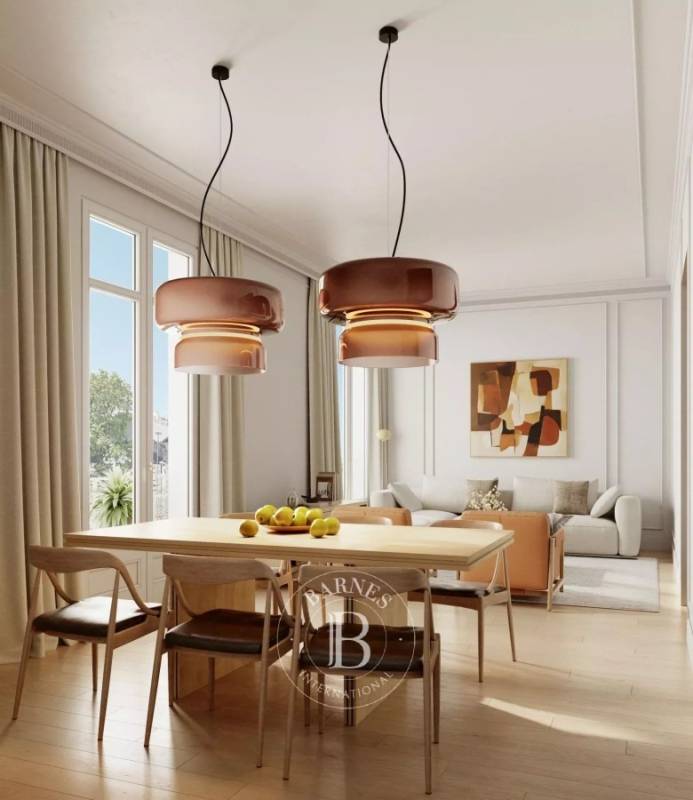
A bright, well-ventilated home is more enjoyable—and sells better. Light is no longer a “nice extra”; it’s a core requirement.
A layout that works
Long corridors and wasted space are penalised. Buyers reward fluid plans: strong social areas, living–dining–kitchen connection (open or semi-open), and well-resolved suites.
Technical renovation (not just aesthetics)
In prime, aesthetics without performance no longer convinces. Acoustic comfort, zoned climate control, updated systems, and energy efficiency are decisive.
A healthy building and community
The building matters: inspections, lift, façade/roof condition, planned works, and maintenance. An excellent apartment in a problematic building loses appeal quickly.
Barcelona as an investment: why it still works
Investing in Barcelona follows a clear logic: international demand + scarcity of truly differentiated product. What can’t be replicated—prime micro-location, architectural heritage, views, genuinely usable terraces—tends to hold value.
The most common premium strategies include:
- Patrimonial acquisition: defensible assets for long-term value preservation.
- Value-add: buying with renovation and repositioning to prime standard.
- Hybrid use: a second home with strong resale potential and, where applicable, mid-term rental opportunities within the regulatory framework.
In every case, the key isn’t “Barcelona” in general—it’s the micro-location and the asset type.
The luxury shift: homes with “soul”
Barcelona is seeing an interesting evolution: luxury is becoming more experiential. Buyers want homes designed for living and sharing—terraces, kitchens as the social heart, generous spaces for hosting, and a warm atmosphere.
That’s why presentation, storytelling, and a well-executed staging strategy matter more than ever: you’re not only selling a property—you’re selling a way of living Barcelona.
Conclusion
Barcelona remains Barcelona: a world-famous city for real reasons, with an identity that sustains demand and a prime market that rewards quality. Buying here—whether to live or to invest—requires discernment, because the difference between a good asset and an exceptional one is in the details: light, layout, building health, and renovation quality.
At BARNES Barcelona, we help you identify these opportunities with rigor: micro-market analysis, prime asset selection, technical-legal due diligence, and discreet support through to completion. If you want to live Barcelona—or invest with a patrimonial mindset—let’s talk.
To continue your search, explore our luxury homes for sale in Barcelona and read our article “Why Choose Barcelona to Invest in Luxury Property?”.
Comments (0)

No comments, be the first to react to this article!