Buying an apartment in Barcelona as an investment: how to choose the location, the building, and the renovation
Buying an apartment in Barcelona as an investment can still be an excellent strategy—when it’s approached with method. Barcelona is a global city with recurring international demand, limited prime stock, and a Mediterranean lifestyle that sustains interest even in slower cycles. But investing well isn’t about “buying in Barcelona” in general; it’s about selecting the right micro-location, a healthy building, and a renovation that creates real value, not just visual appeal.
At BARNES, we treat these three variables as a system. When they align, the investment becomes more liquid, more defensible, and easier to reposition in the future.
1) Location: micro-location matters more than the district
Barcelona is a market of details. Two nearby streets can completely change demand, buyer profile, and rental performance. Before you fall in love with a property, assess these three layers:
A. Walkable urban living
Premium buyers and tenants want day-to-day life on foot: quality retail, restaurants, markets, parks, gyms, and strong connectivity. Proximity to transport (metro/rail) is a plus—without sacrificing tranquillity.
B. Light, orientation, and noise
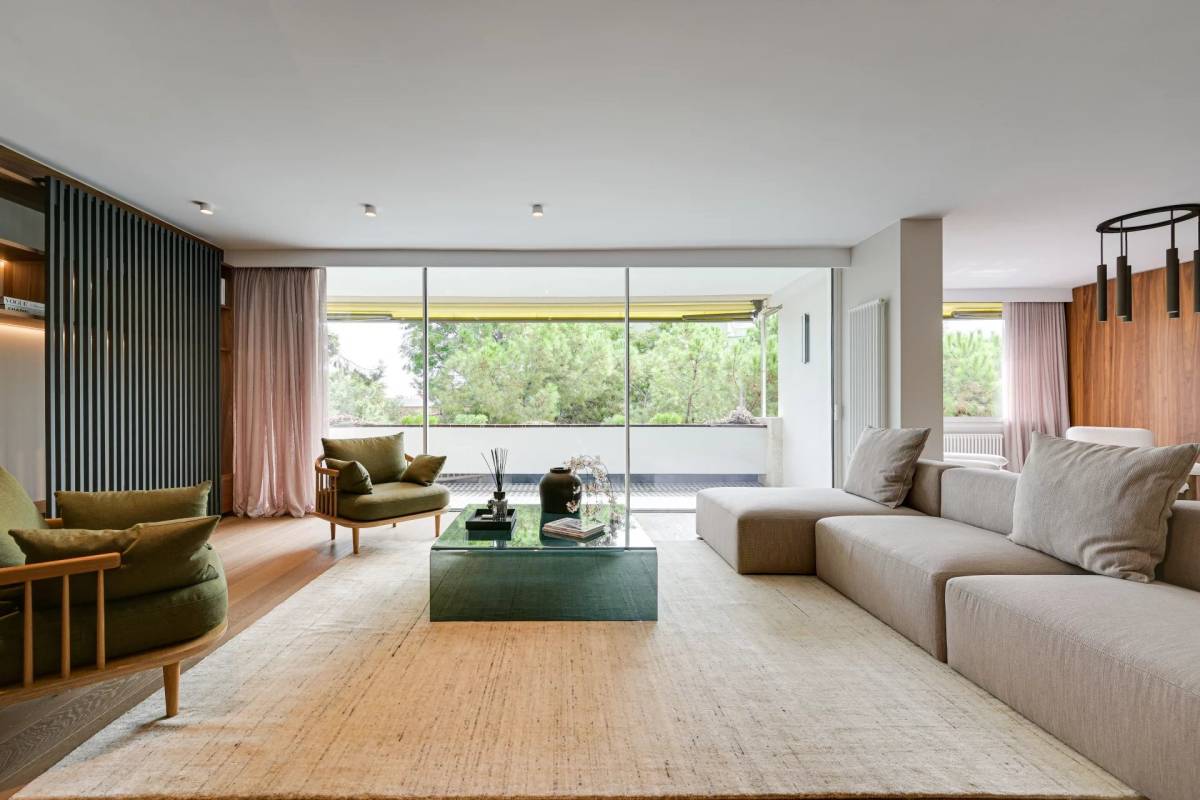
In Barcelona, light equals value. Homes with dual aspect, higher ceilings, and well-oriented main rooms tend to hold pricing better. Noise (traffic, nightlife, high-flow axes) has a bigger resale impact than many expect.
C. Genuine scarcity
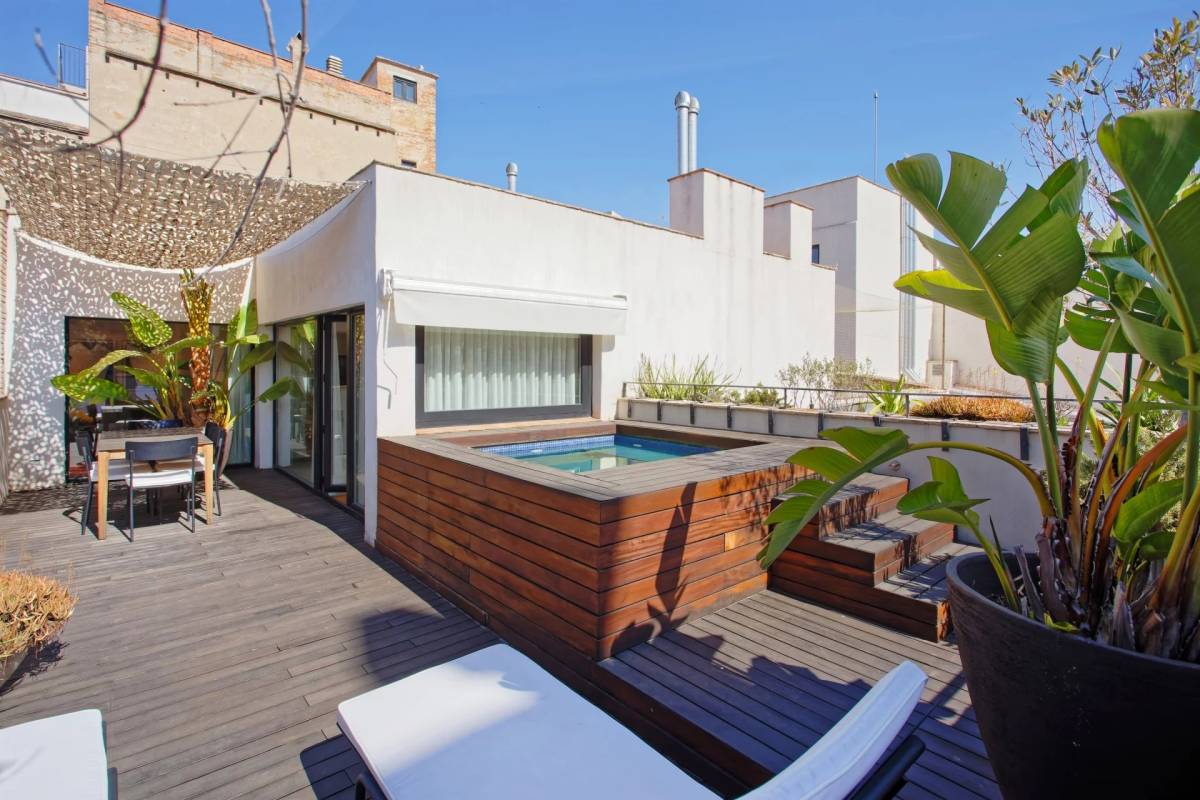
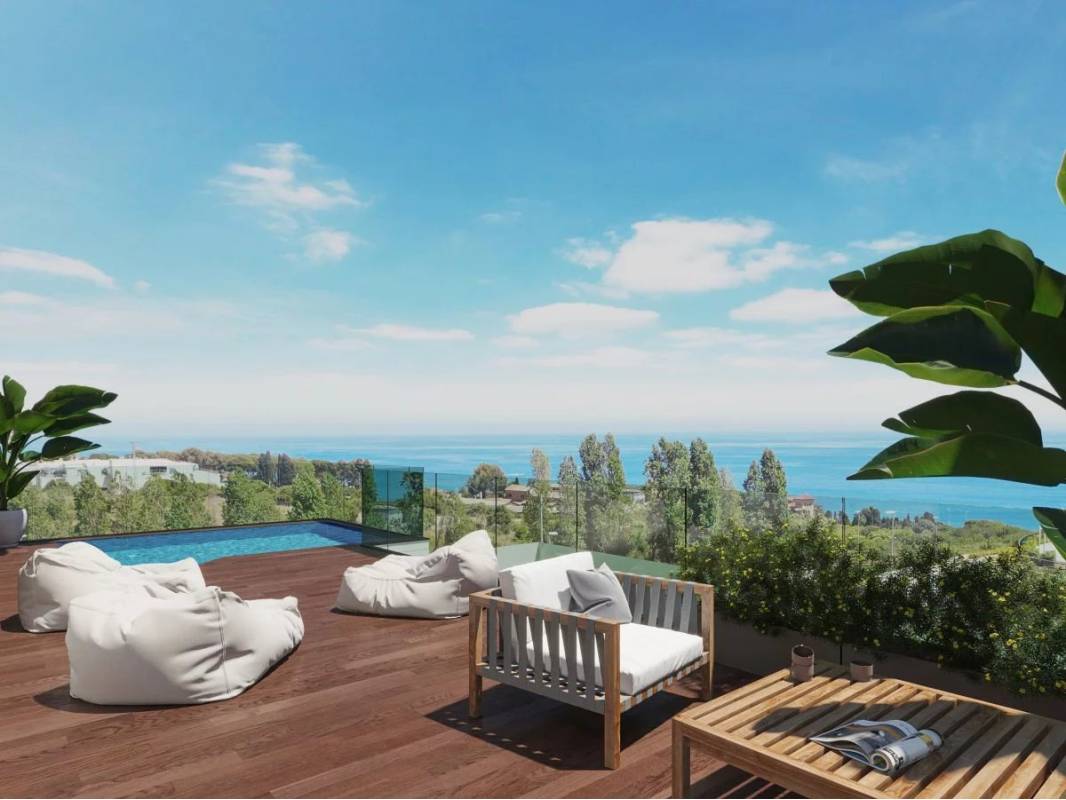
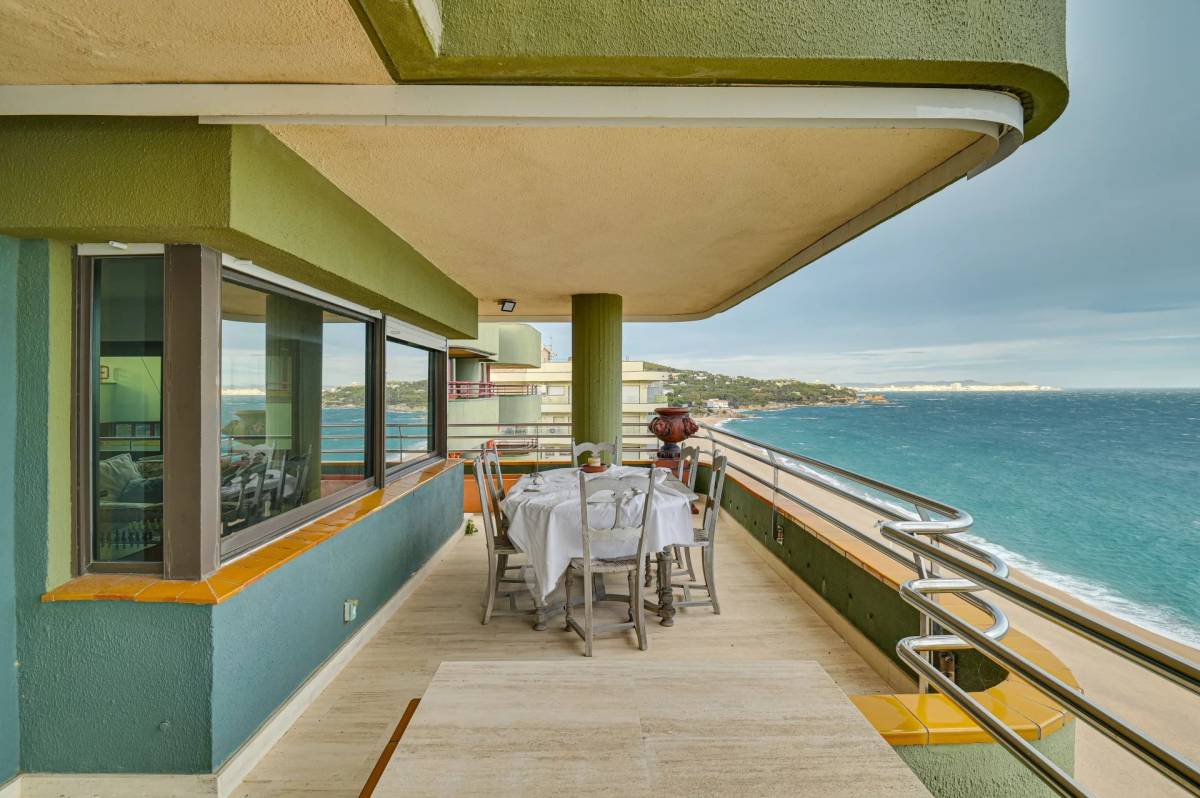
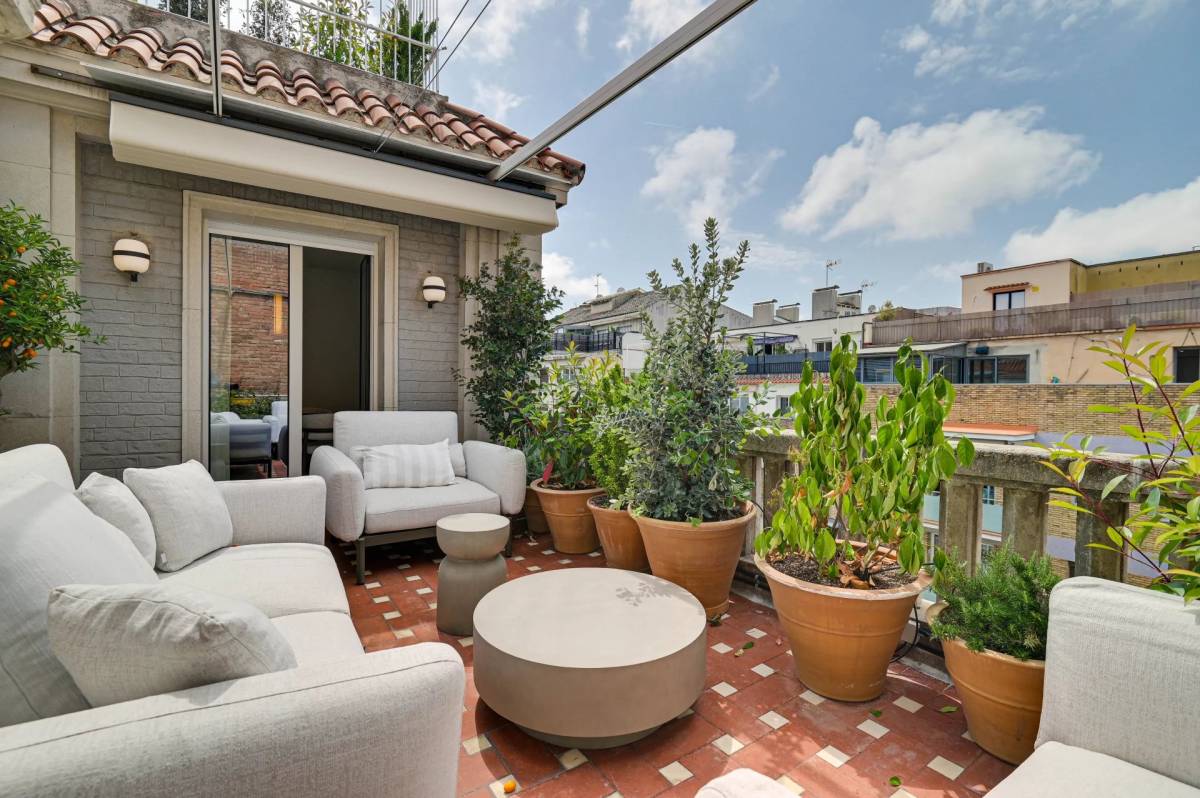
Patrimonial investors should target what can’t be replicated: character buildings, views, genuinely usable terraces, quiet interior courtyards, or micro-areas with structurally limited supply. Scarcity is a built-in value hedge.
2) The building: luxury is also what you don’t see
A great apartment inside a problematic building becomes a fragile investment. In Barcelona, the “asset” is not only the unit—it’s the community, the structure, and the maintenance. Before committing:
Check the building’s condition and roadmap
-
ITE status (or a realistic plan if it’s underway).
-
Facade, roof, downpipes, lift: are works planned? how will they be funded?
-
Reserve fund and arrears level: strong indicators of building health.
Lift and accessibility
In classic buildings, a lift can define liquidity. A higher floor without a lift narrows demand; a well-integrated lift and comfortable access widens the buyer pool.
Efficiency and acoustic comfort
Premium demand increasingly expects performance: high-spec windows, acoustic insulation, and correctly sized efficient HVAC. Done well, the home feels “new” without losing its character.
3) Renovation: create technical value, not only decoration
A high-quality renovation isn’t the one that looks best in photos—it’s the one that performs for 10–15 years without surprises. The difference is technical.
A. Start with the envelope and comfort
-
High-performance frames and glazing.
-
Acoustic upgrades (party walls/ceilings) where needed.
-
Zoned climate control (and well-resolved ventilation).
Done right, this reduces energy cost, improves wellbeing, and raises perceived value.
B. Respect character (when present) and document everything
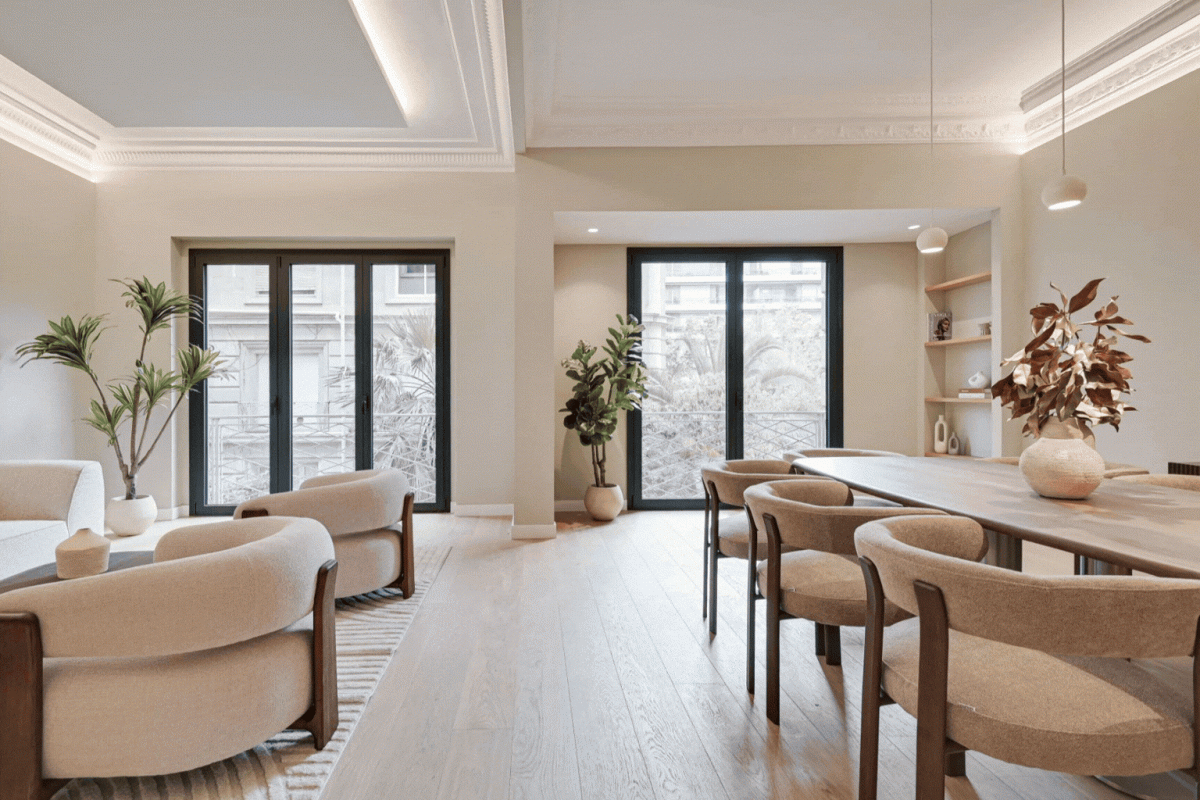
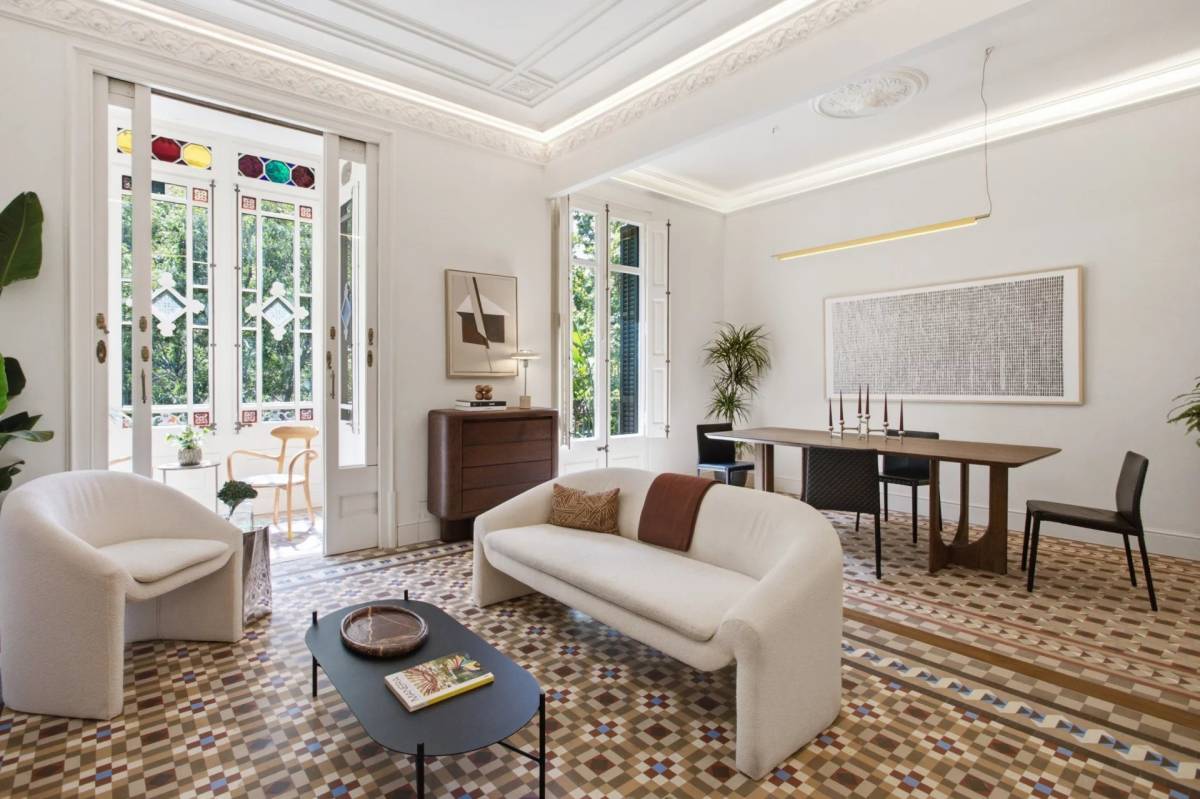
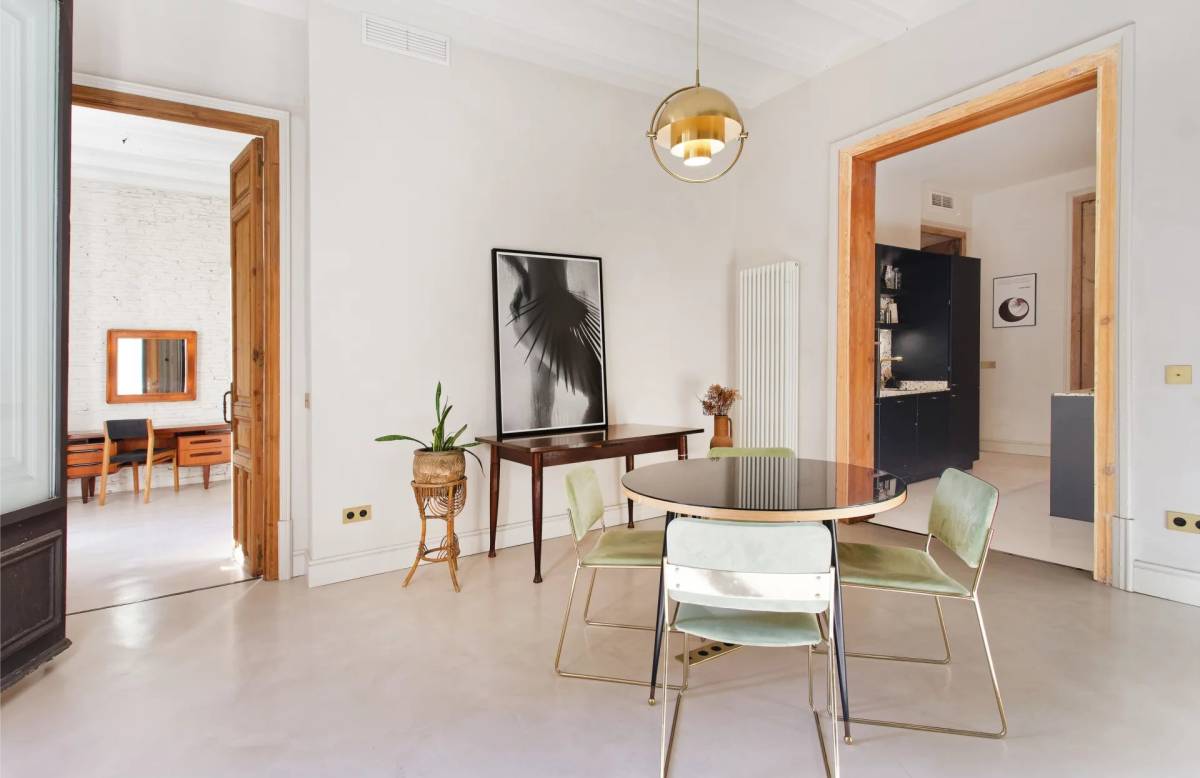
In heritage stock, preserving and enhancing original elements (hydraulic/Nolla tiles, moldings, doors, ceiling height) is a competitive advantage—provided the renovation is properly documented (spec sheet, permits, warranties).
C. Materials and solutions that truly add value
Kitchens and bathrooms are the buyer’s “thermometer.” Durable surfaces, quality fixtures, thoughtful lighting, real storage, and easy-maintenance solutions revalue more than short-lived trends.
4) Investment strategy: define what you want to optimize
Before you buy, decide the strategy. Barcelona supports different approaches:
-
Patrimonial (long-term): prioritize scarcity, building quality, and defendable location.
-
Value-add (renovate + reposition): buy at a discount due to condition, upgrade technical and aesthetic quality, then sell or rent as turn-key.
-
Mid-term rentals (1–11 months): strong demand from corporate profiles and transitioning families in central areas and well-furnished stock (always within the applicable regulatory framework).
-
Traditional long-term rentals: stability and lower turnover, especially in well-connected family units.
The key is alignment: a property can be excellent for resale and mediocre for rentals—or the opposite.
5) Due diligence: the step that protects returns
In Barcelona, you win (or lose) the investment in the pre-check stage. Essentials include:
-
Land registry extract (“nota simple”) and real encumbrances.
-
HOA minutes and pending special assessments (“derrames”).
-
ITE/energy certificate status.
-
Legality of prior works (permits, completion certificates where relevant).
-
Utilities and technical constraints that could affect upgrades.
In prime assets, due diligence isn’t improvised—it’s planned.
6) Signals of a “good investment apartment” in Barcelona
-
Location with stable demand and genuine neighborhood life.
-
Light and efficient layout (minimal wasted corridor space).
-
Well-maintained building and solvent community.
-
Technically solid renovation (acoustics, HVAC, windows).
-
Clean documentation and a clear value narrative.
Conclusion
Buying an apartment in Barcelona as an investment can be a strong decision—if you choose precisely. Returns and appreciation don’t depend only on the purchase price; they depend on getting location, building, and renovation right, and executing a strategy aligned with the target market.
At BARNES Barcelona, we help you invest with a patrimonial approach: asset selection, micro-market analysis, reliable comps, technical-legal due diligence, and—if you wish—end-to-end support for renovation and repositioning. If you’re considering buying to invest, let’s talk: in Barcelona, the edge is in the details.
Comments (0)

No comments, be the first to react to this article!