Global Property Handbook press conference: Barcelona, Costa Brava and Maresme strengthen their prime appeal
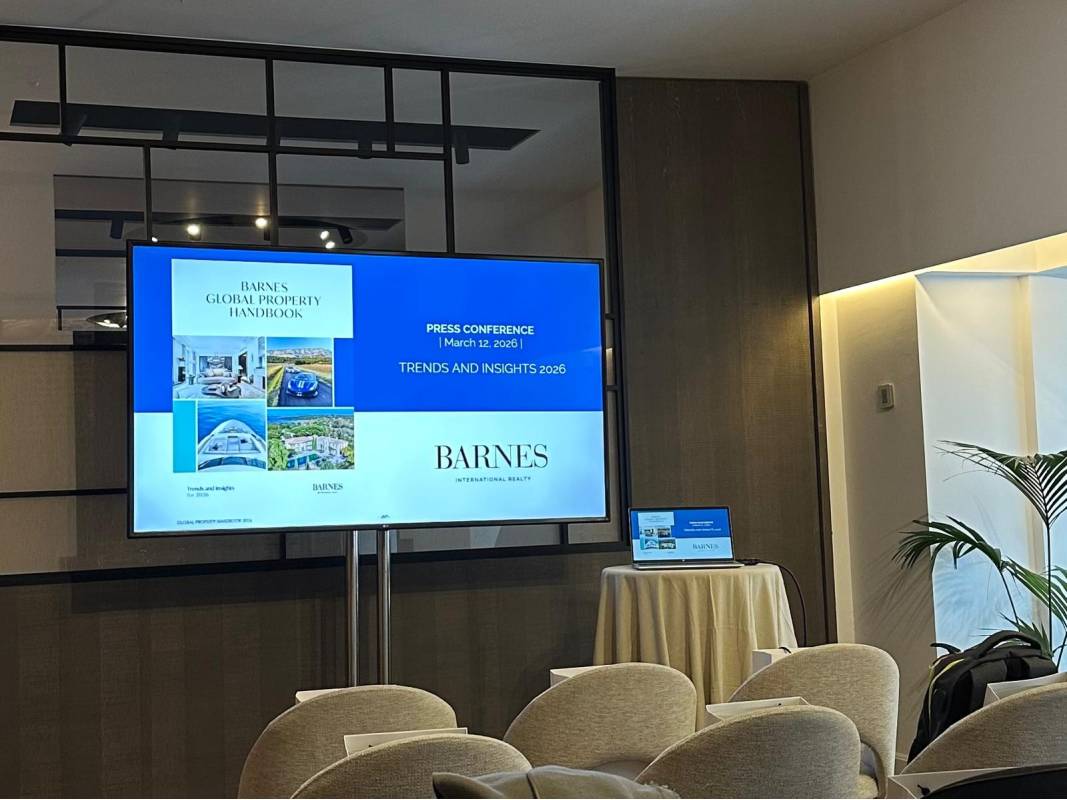
At the Global Property Handbook press conference, the spotlight fell on three Catalan markets that are currently capturing a significant share of international real-estate interest: Barcelona, Costa Brava/Empordà, and the Maresme. The message was consistent across all three: these are destinations with a rare European mix of quality of life, strong identity, international connectivity, and limited prime supply—the combination that underpins demand and reinforces long-term, patrimonial value.
Below is a concise recap of the key themes discussed and what they mean for buyers and investors focused on high-end residential assets.
Barcelona: the Mediterranean smart city that keeps attracting global capital
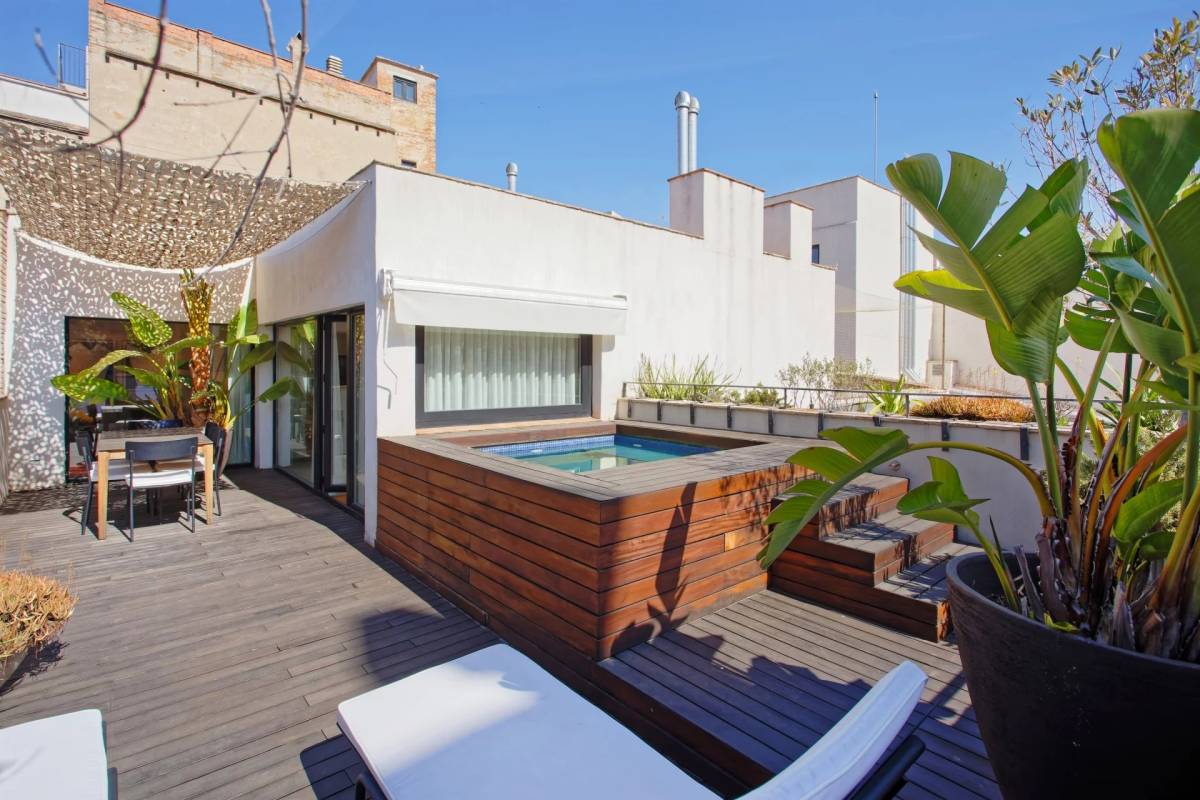
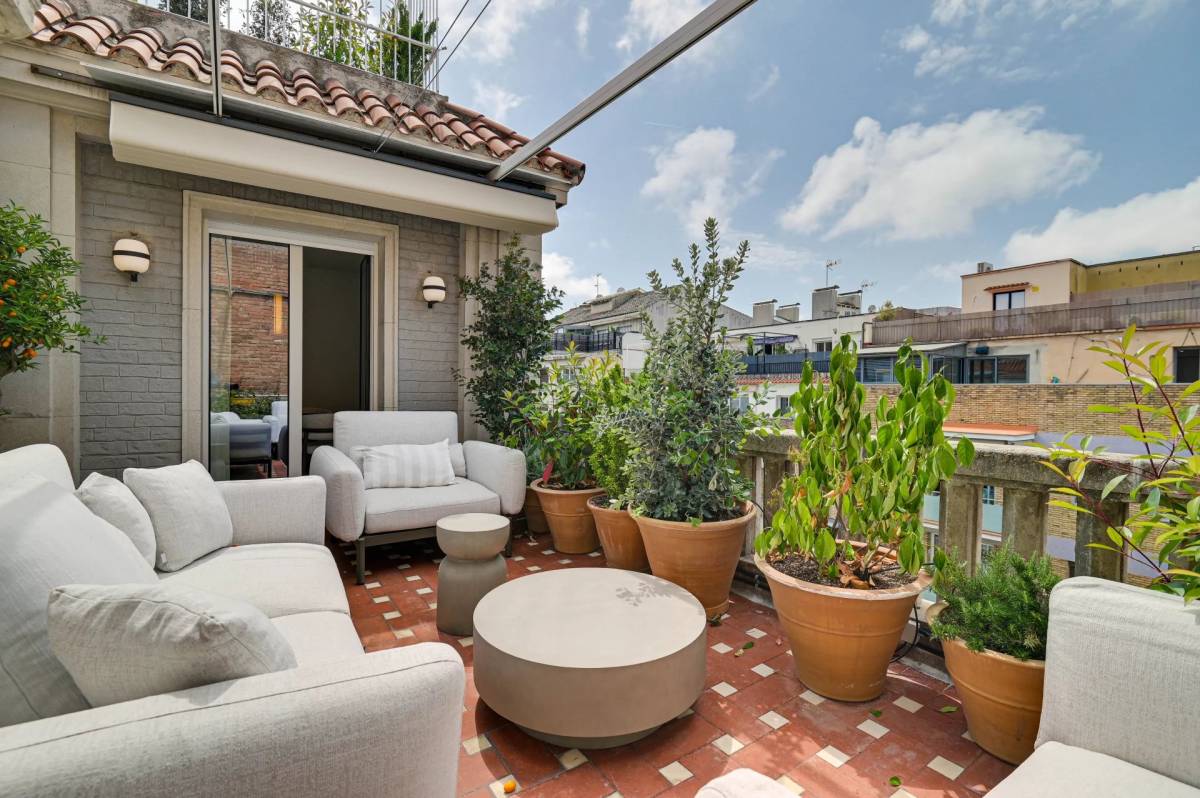
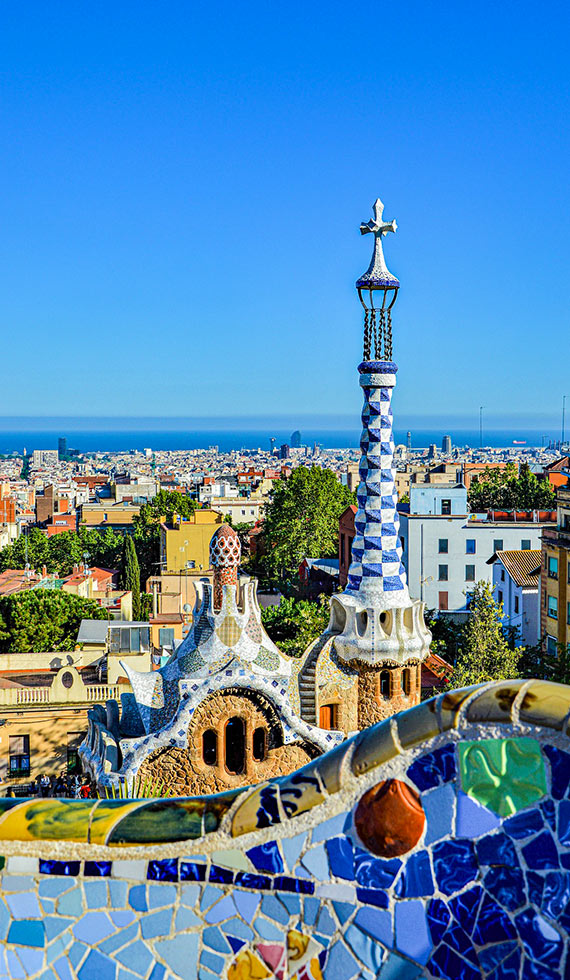
Barcelona continues to enjoy enduring popularity among students, high-quality tourism, and international investors. The conference highlighted the city’s distinctive DNA: climate, lifestyle, a vibrant social scene, iconic architecture, and a compelling balance between Mediterranean living and global projection.
A differentiated identity: culture, architecture, and lifestyle
Barcelona is creative, cosmopolitan, and instantly recognizable. That cultural identity directly supports the prime housing market: buyers value what the city offers beyond the home—gastronomy, art, retail, walkable neighborhoods—as much as the architectural heritage embedded in prime districts.
Innovation engine: 22@ and talent attraction
Another central point was Barcelona’s future-facing positioning. The 22@ project was referenced as a leading European tech hub, attracting international talent and digital nomads. In that context, the conference noted a growing presence of US buyers, drawn by lifestyle, European stability, and high-identity assets.
Prime-market evolution: more sophistication and growth in ultra-prime
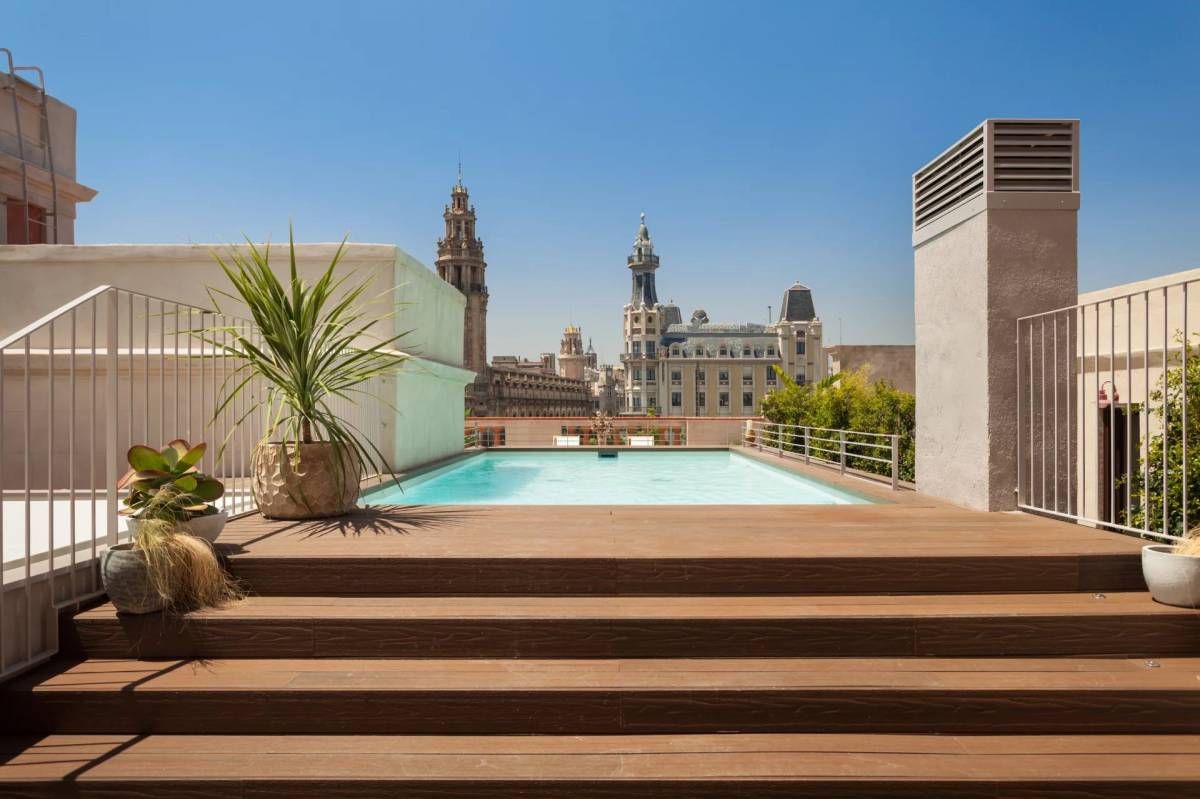
The press conference underlined the ongoing evolution of Barcelona’s top end, with growth in the ultra-luxury segment (above €4–5M) and a more sophisticated international buyer who is increasingly demanding on location, design, services, and efficiency.
As a milestone, the conference highlighted a historic Q1 2026 figure, with an average ticket of €1.9M in high-end transactions—an indicator of depth of demand and prime-market momentum.
Opportunity: classic building rehabilitation and resale appeal
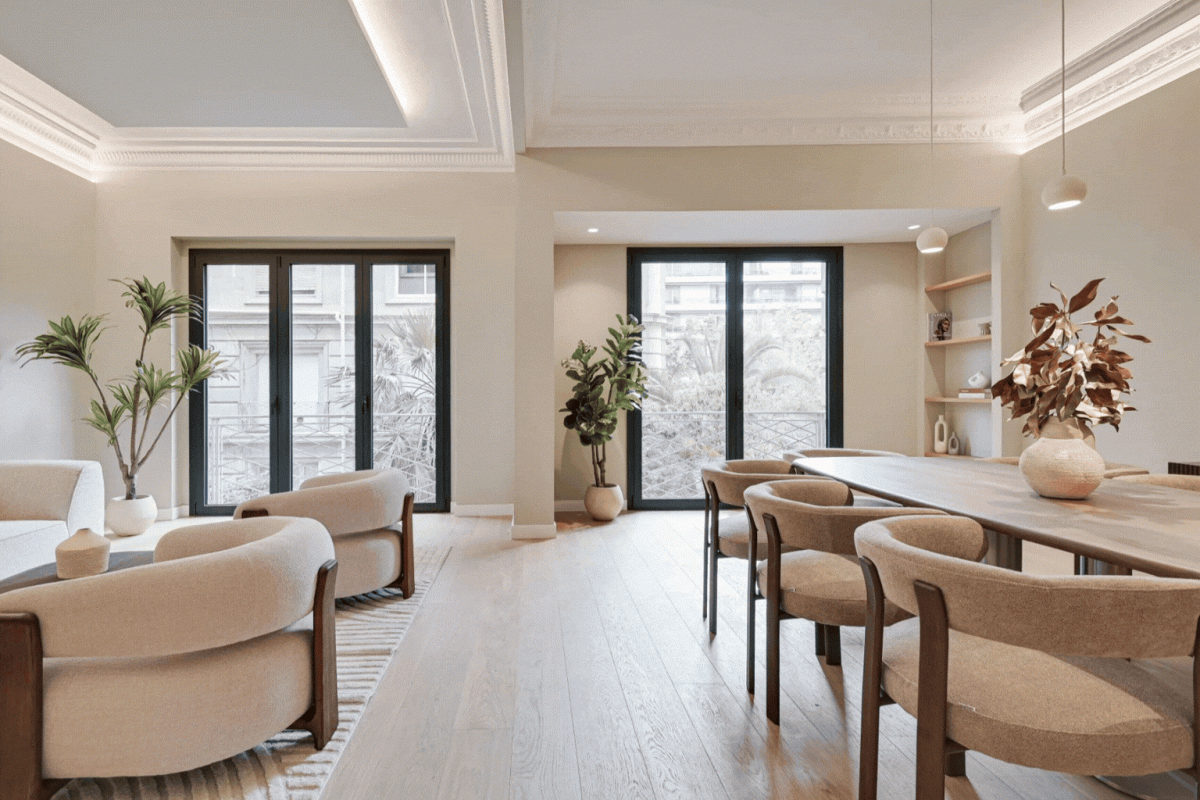
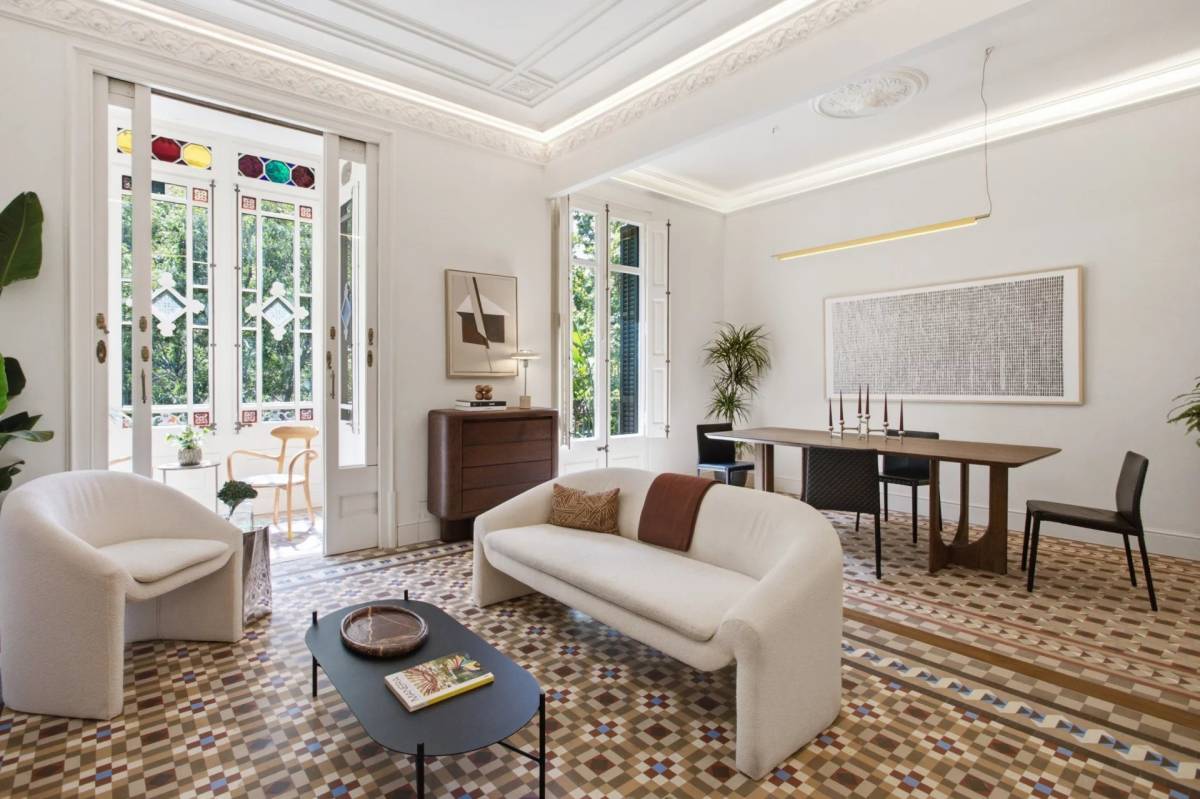
Barcelona’s strongest value opportunities increasingly sit in product that combines character buildings with high-level technical renovations. The conference emphasized the potential in rehabilitating classic “finca” stock—where heritage features (high ceilings, moldings, original floors) are paired with contemporary comfort (insulation, zoned HVAC, energy performance). This segment remains particularly strong on resale.
Costa Brava and Empordà: the Mediterranean’s natural jewel
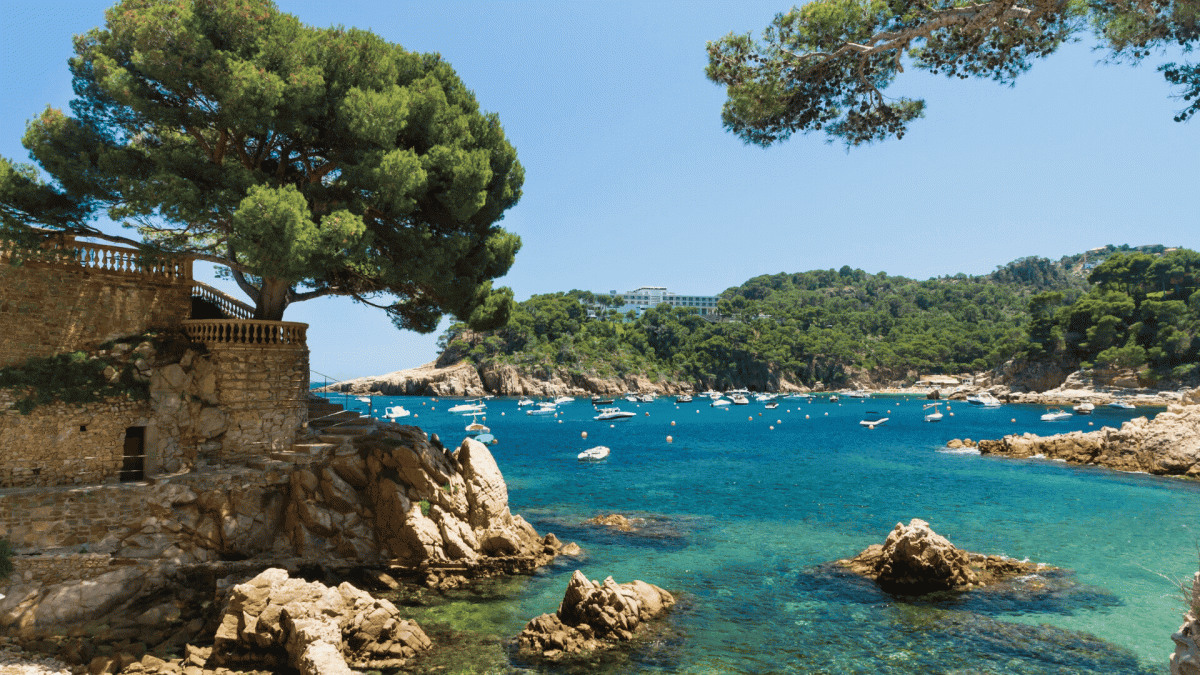
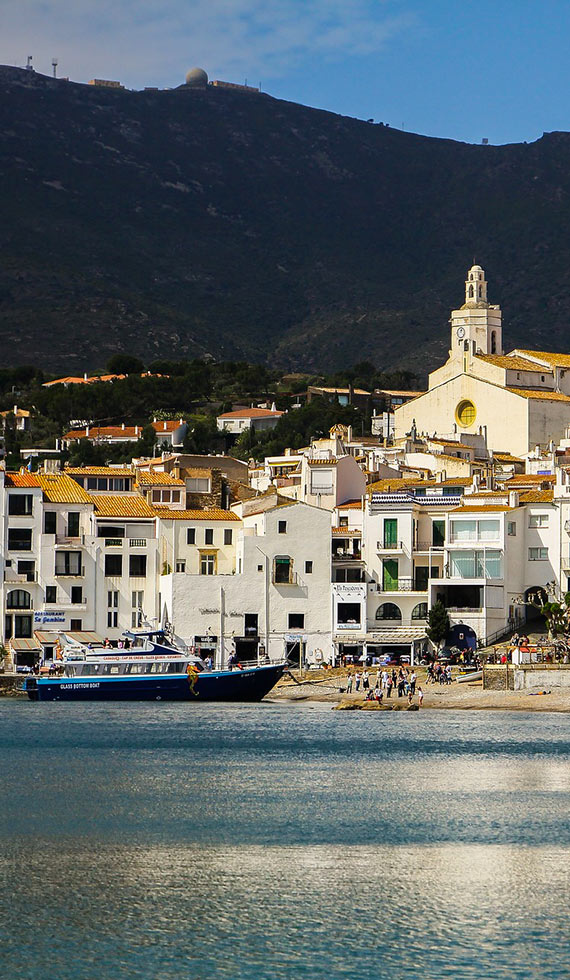
The Global Property Handbook also focused on the Costa Brava–Empordà corridor, between the French border and northern Barcelona. Once known mainly for fishing villages and rural estates, it is now one of Spain’s most sought-after coastal destinations—valued for its blend of preserved nature, authenticity, and exclusivity.
Exclusivity and a protected landscape
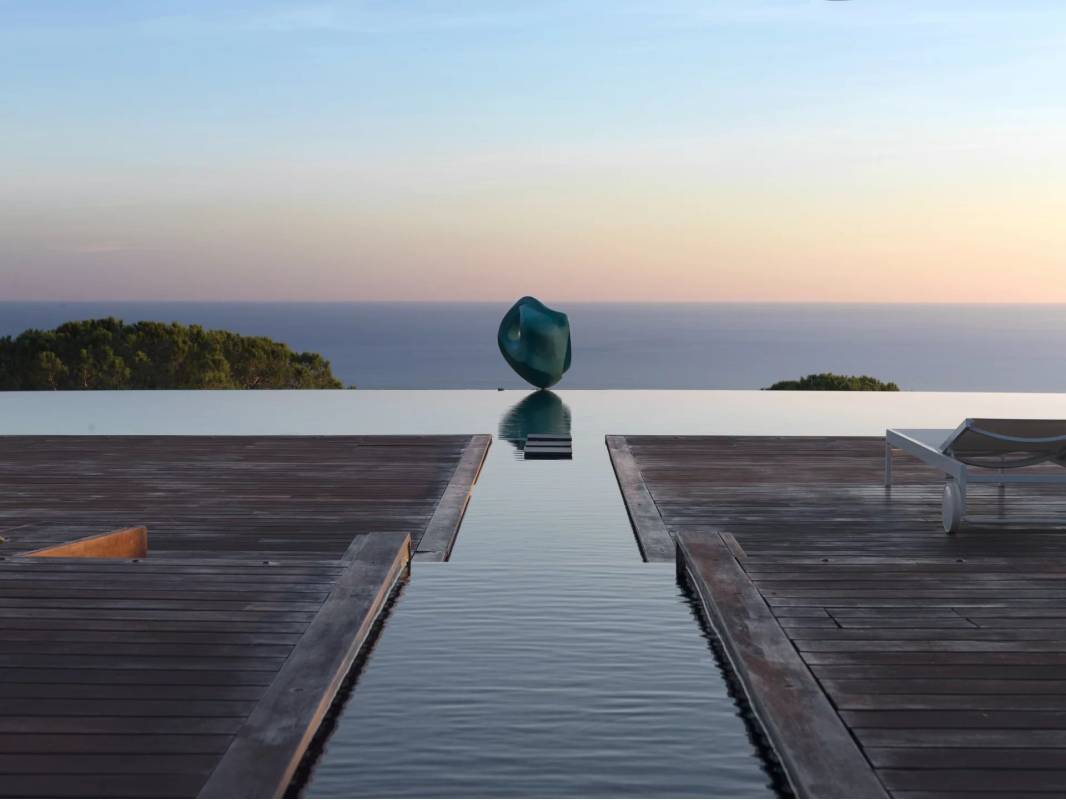
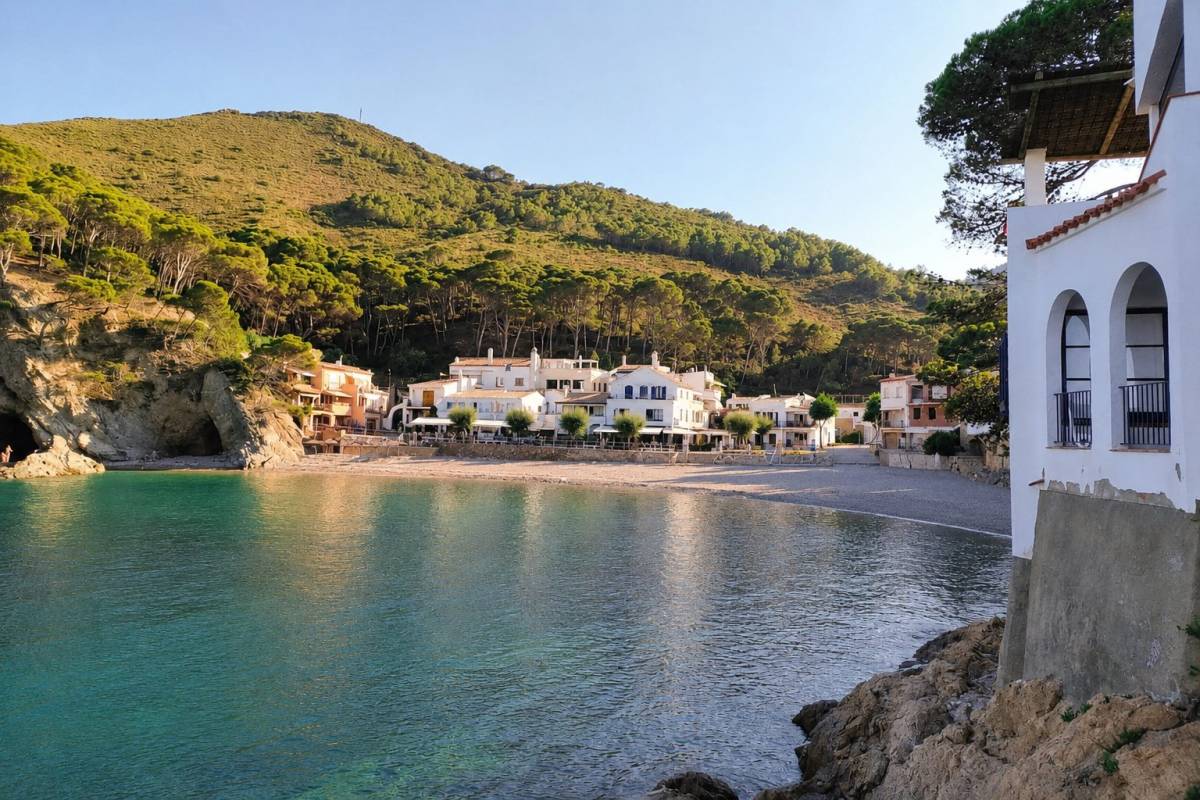
The Costa Brava stands out for how well the landscape is preserved compared with other Mediterranean areas: crystalline coves, pine-lined cliffs, and—at its best—architecture that integrates into the terrain.
Iconic destinations: Begur, Cadaqués, and Calella de Palafrugell
Begur, Cadaqués, and Calella de Palafrugell were highlighted as consistently high-demand enclaves, especially for sea-view properties, well-integrated villas, and distinctive prime product.
Mediterranean lifestyle, quietly sophisticated
The conference stressed the lifestyle proposition: renowned gastronomy, strong local culture, marinas, nautical activities, and nature. It’s a type of luxury that is less about display and more about experience—calm, beauty, and quality.
Real-estate dynamics: limited frontline supply, strong international demand
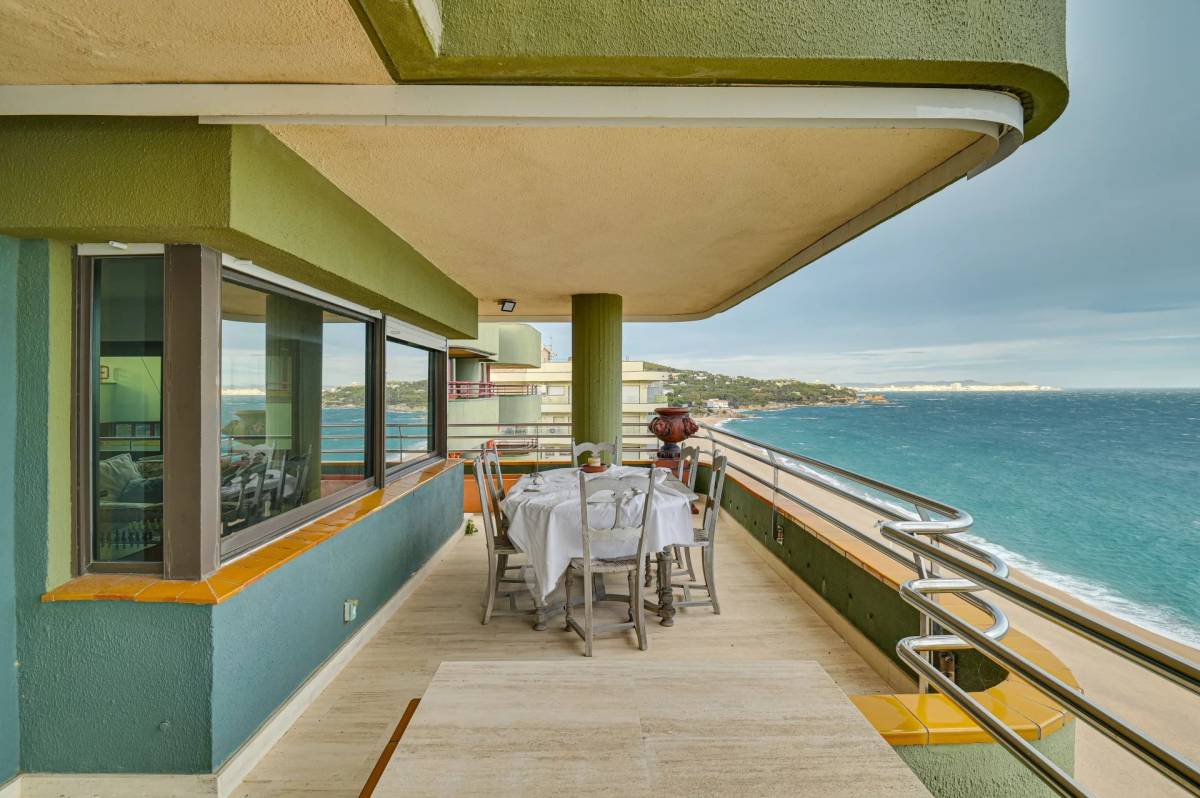
A key point was the limited supply on the seafront, alongside strong international demand—particularly French and broader European buyers. In this context, renovated properties and high-standing villas present some of the most compelling opportunities.
Maresme: Barcelona’s Mediterranean refuge
The third market discussed was the Maresme, positioned as Barcelona’s “Mediterranean refuge”—offering a coastal lifestyle with more space, without losing proximity to the city.
Strategic location and connectivity
The Maresme’s practical advantage is its real proximity: 20–30 minutes from Barcelona via C-32, N-II, and Rodalies rail, plus convenient access to Barcelona–El Prat Airport. This connectivity has made the Maresme a natural extension for international families and lifestyle buyers.
Lifestyle: sea, sport, and calm
Wide beaches, a natural setting between sea and hills, and a wellbeing-oriented lifestyle—nautical life, golf, outdoor sport, and local gastronomy—define the region’s appeal. It offers a calm, family-friendly environment with a high residential standard.
Residential market: villas with land, pools, and sea views
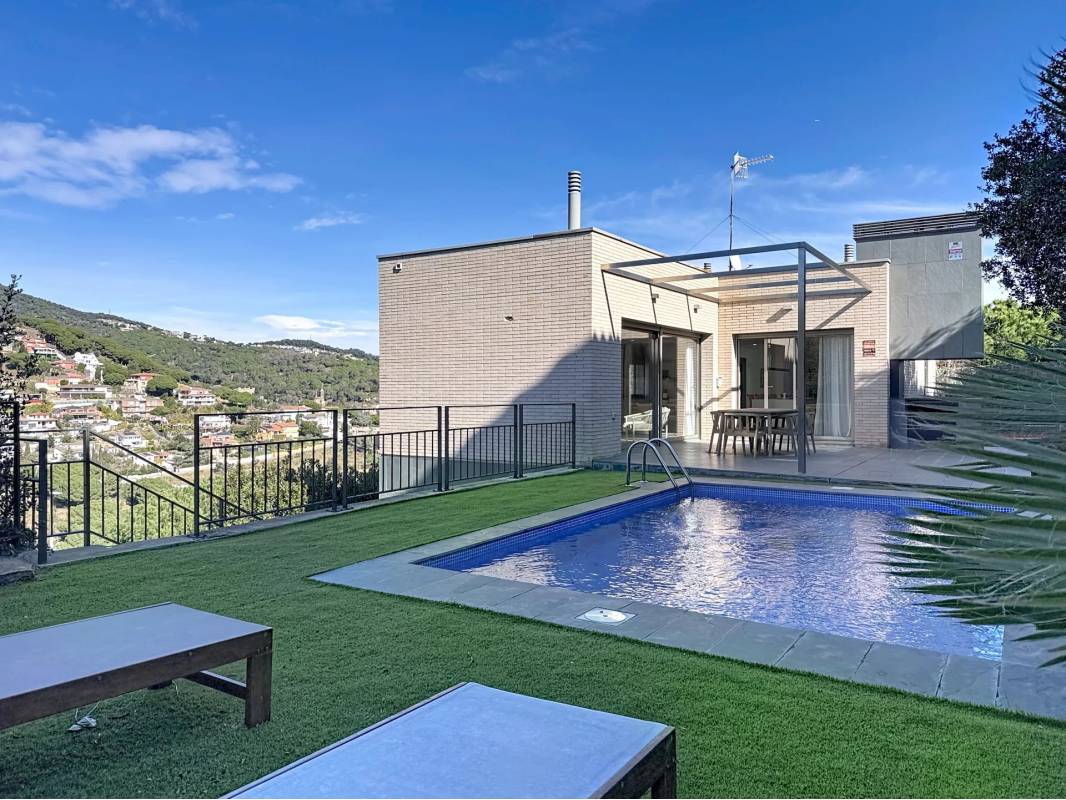
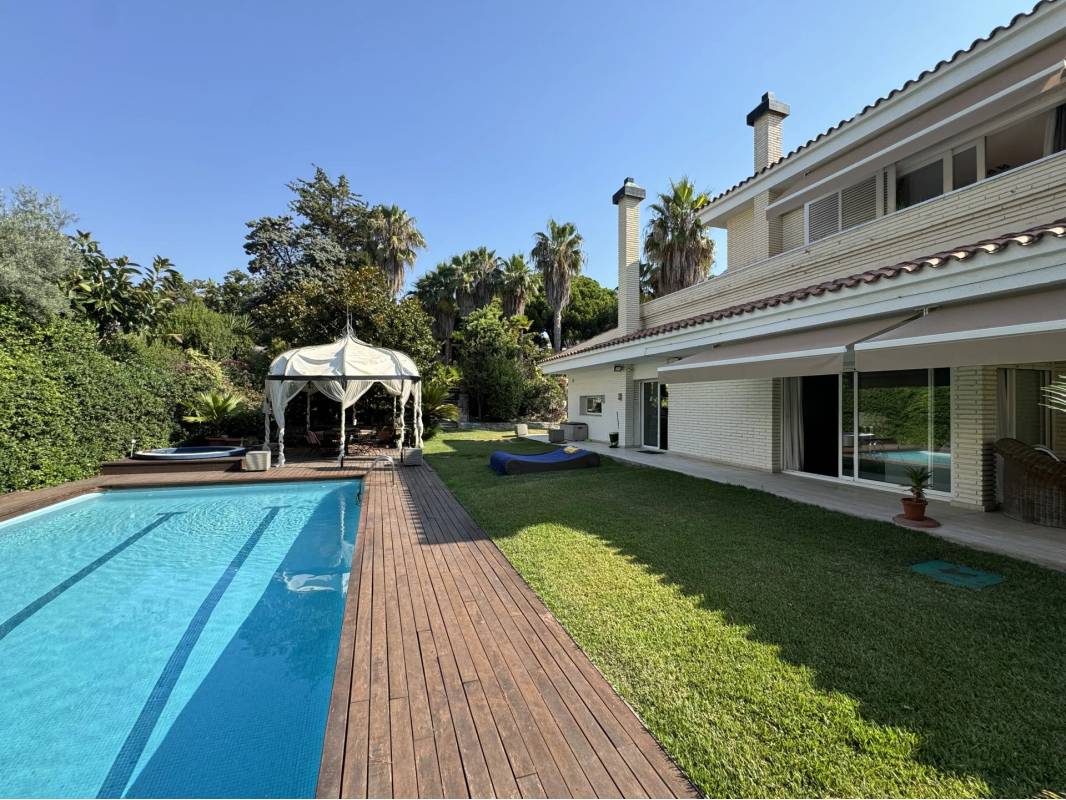
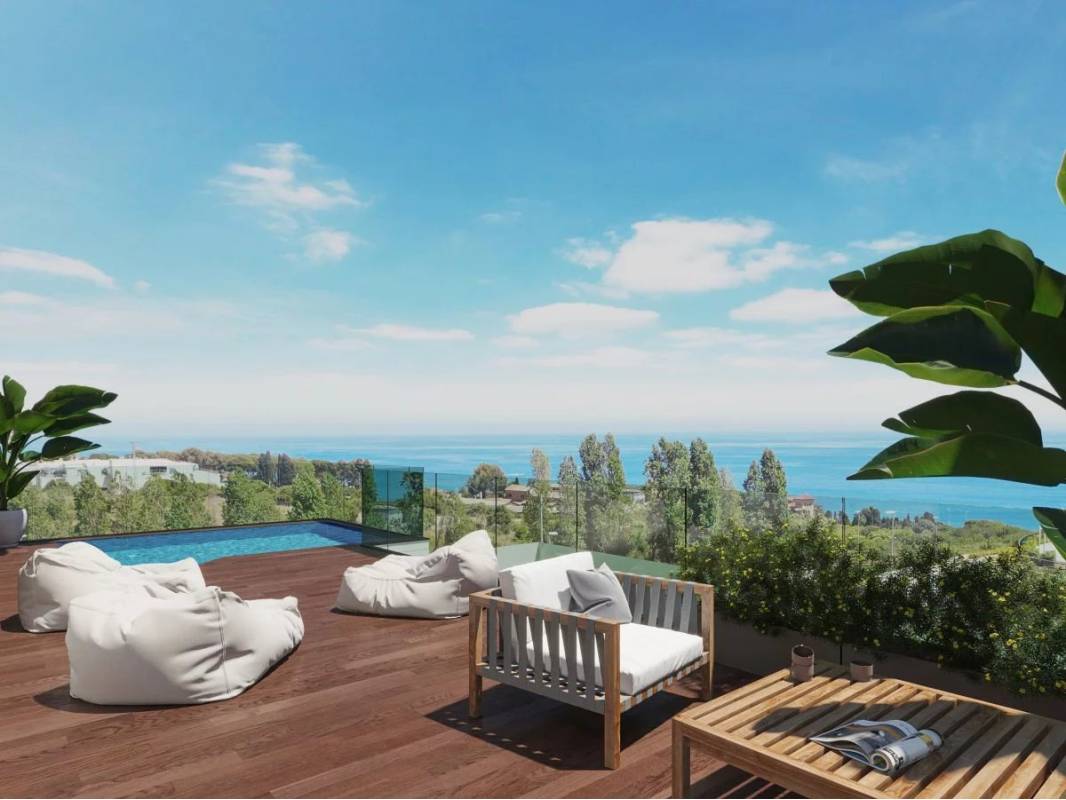
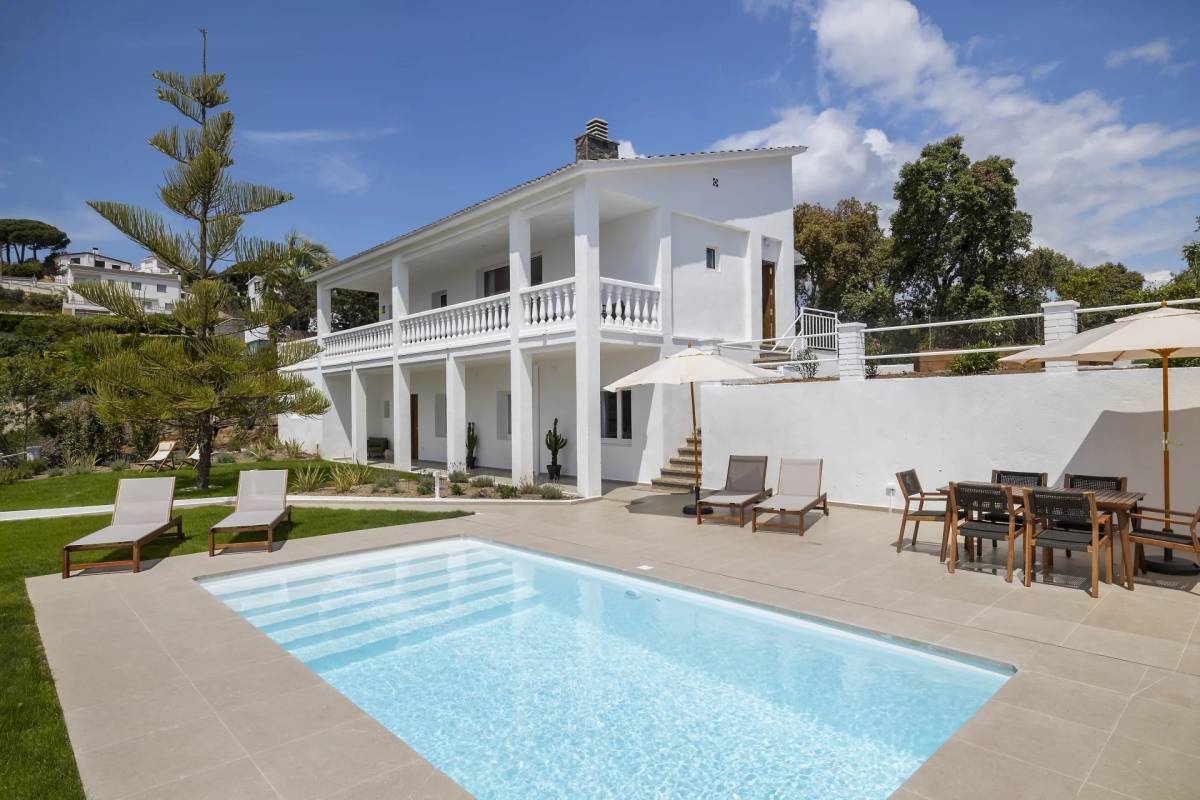
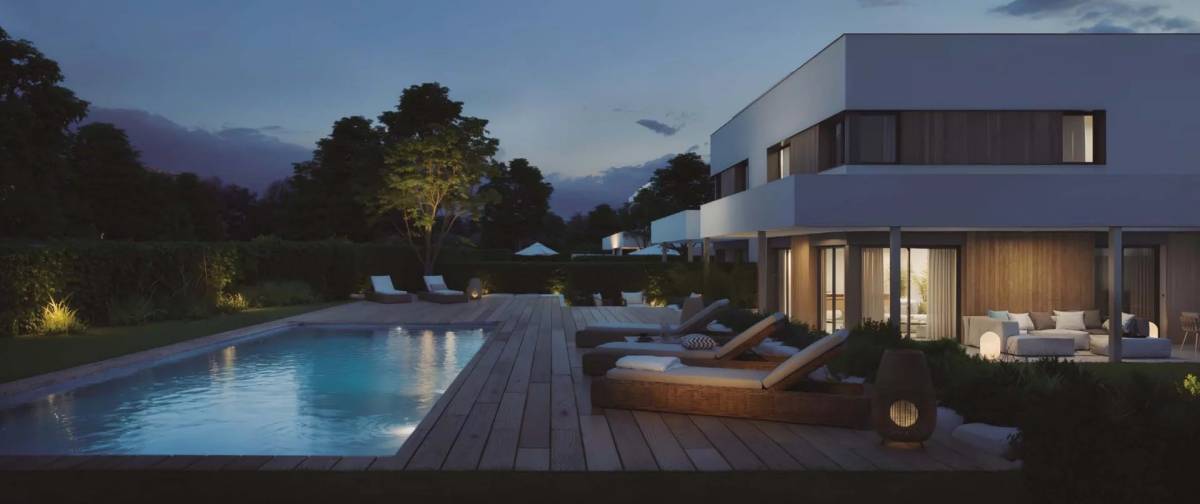
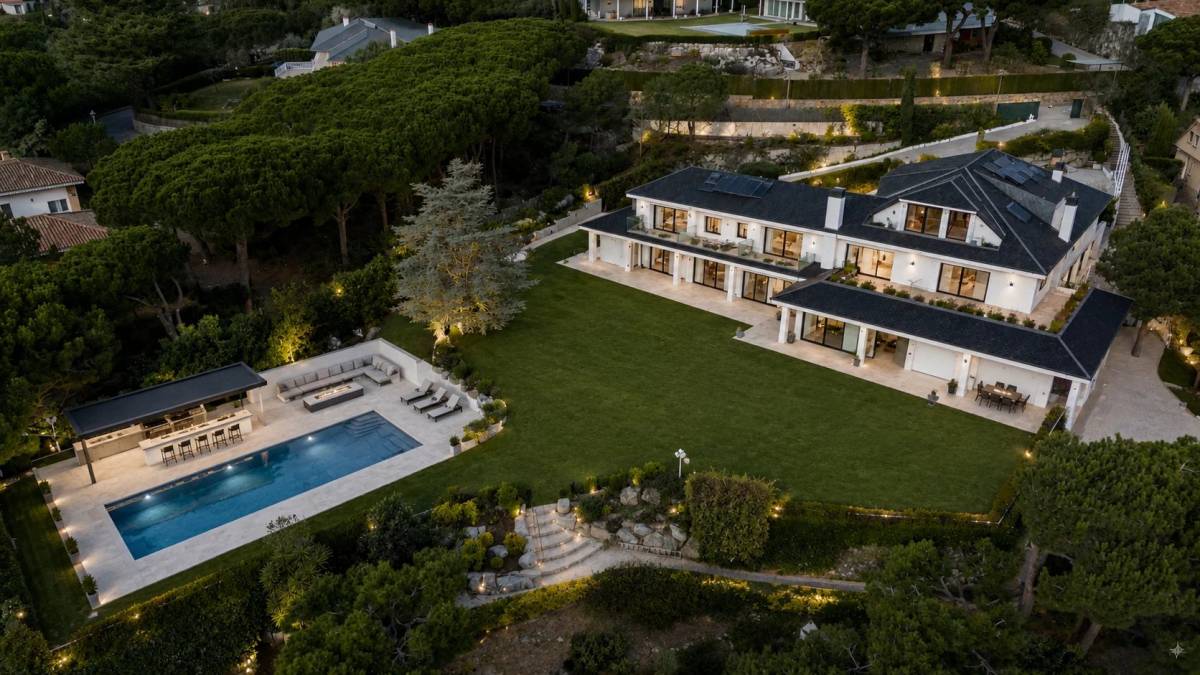
The conference highlighted the most sought-after product: villas with gardens, pools, and sea views, alongside contemporary architecture and renovated Mediterranean homes. Key areas mentioned included Alella, Teià, Cabrils, and Sant Andreu de Llavaneres.
Demand and investment: stability in premium micro-locations
Maresme’s investment logic is driven by a balanced but persistent mismatch: demand is rising nationally and internationally, while truly prime stock (views + land + privacy) remains limited—supporting value stability in top micro-locations.
Conclusion: three markets, one shared pattern
The Global Property Handbook press conference made a shared pattern clear across all three: identity + lifestyle + connectivity + scarcity of prime supply. Barcelona leads with urban prime and heritage-led rehabilitation; Costa Brava/Empordà delivers natural exclusivity and international second-home demand; and the Maresme offers the most efficient “sea + space + Barcelona” equation.
At BARNES Barcelona, Maresme and Costa Brava, we support buyers and investors across these three territories with a patrimonial approach, technical-legal advisory, and access to prime assets—both on-market and off-market. If you’d like to explore which strategy best matches your goals—city, coast, or residential refuge—let’s talk.
Comments (0)

No comments, be the first to react to this article!