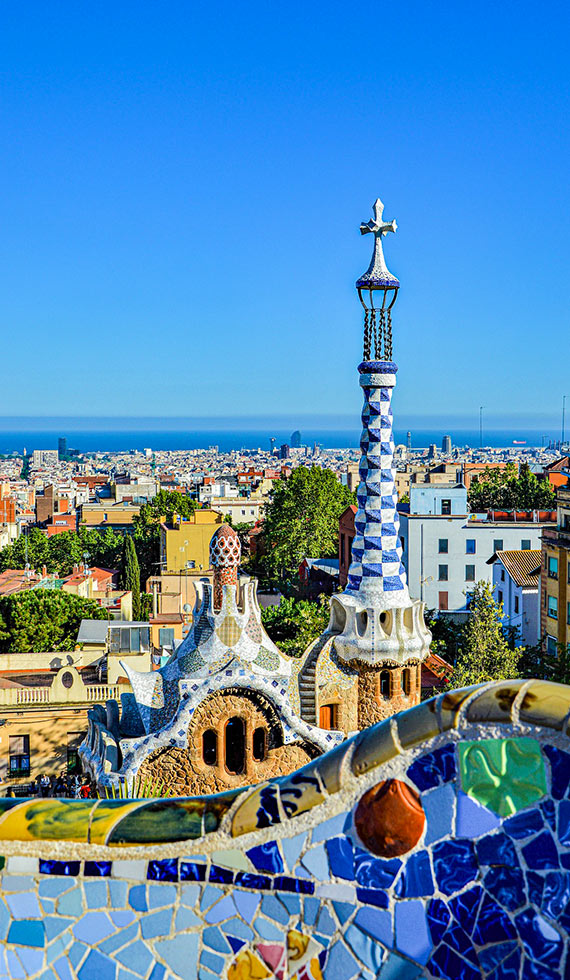
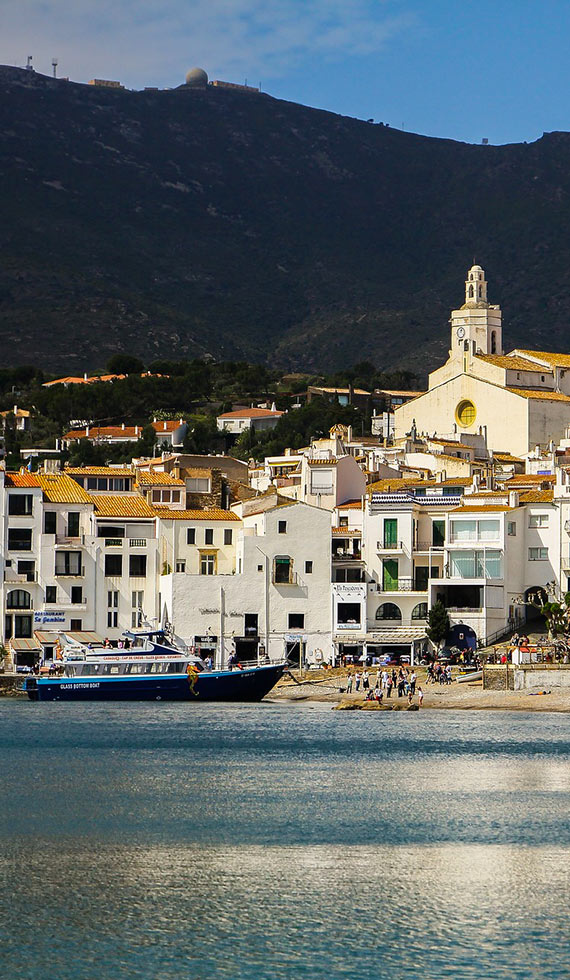
Architectural projects in Catalonia: heritage, innovation, and real-estate value
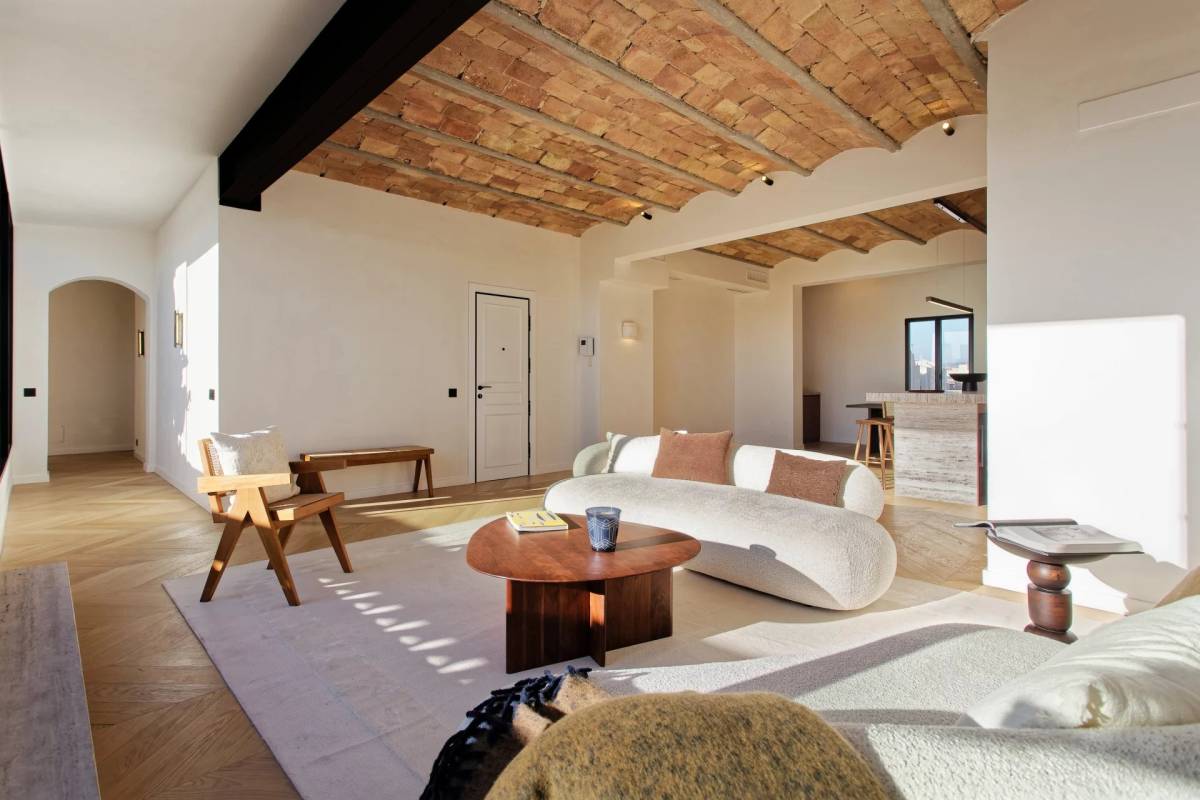
Catalonia is a living laboratory of architecture. From the modernist buildings of the Eixample to contemporary villas in the Maresme and rehabilitated masias in the Empordà, the region blends heritage and innovation within a market highly sought after by national and international buyers. If your goal is to buy, renovate, or develop an architectural project in Barcelona, the Maresme, or the Costa Brava/Empordà, understanding the planning framework, design trends, and value drivers is essential for sound decision-making.
Three forces shaping the market: restoration, new build, and adaptive reuse
Heritage rehabilitation (Barcelona and Empordà).
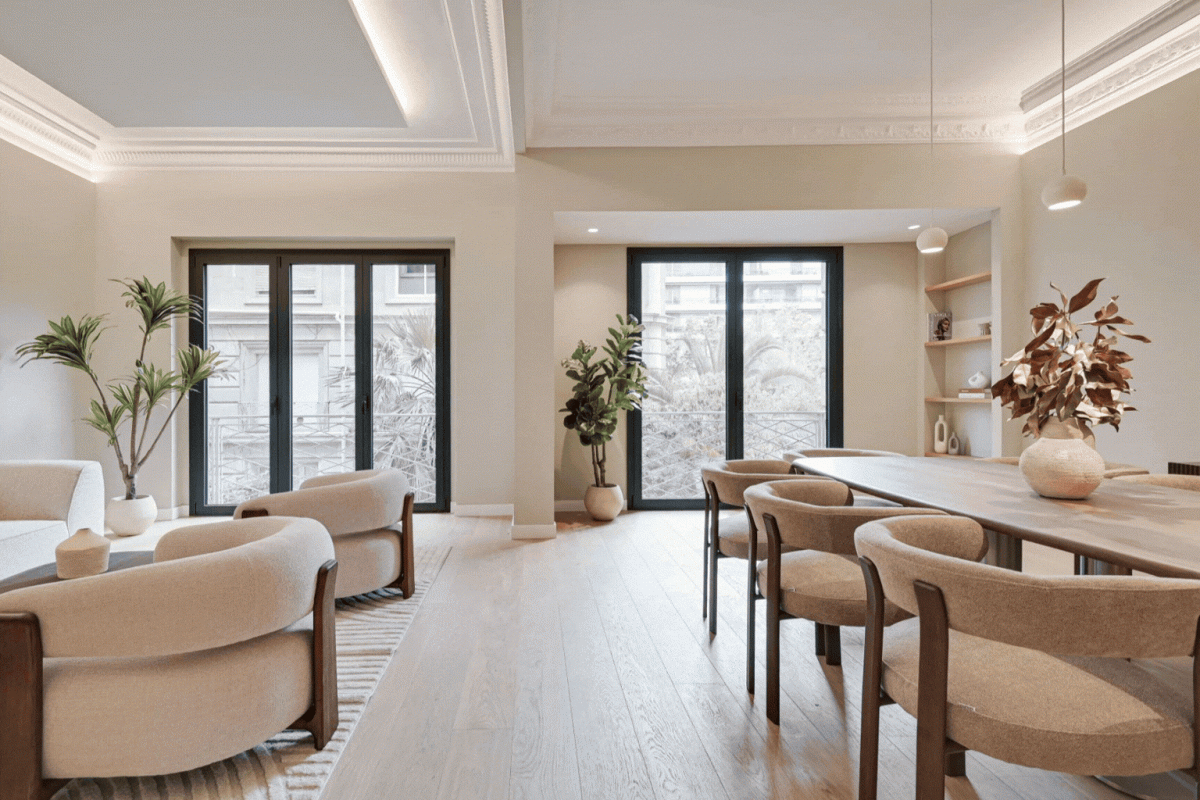
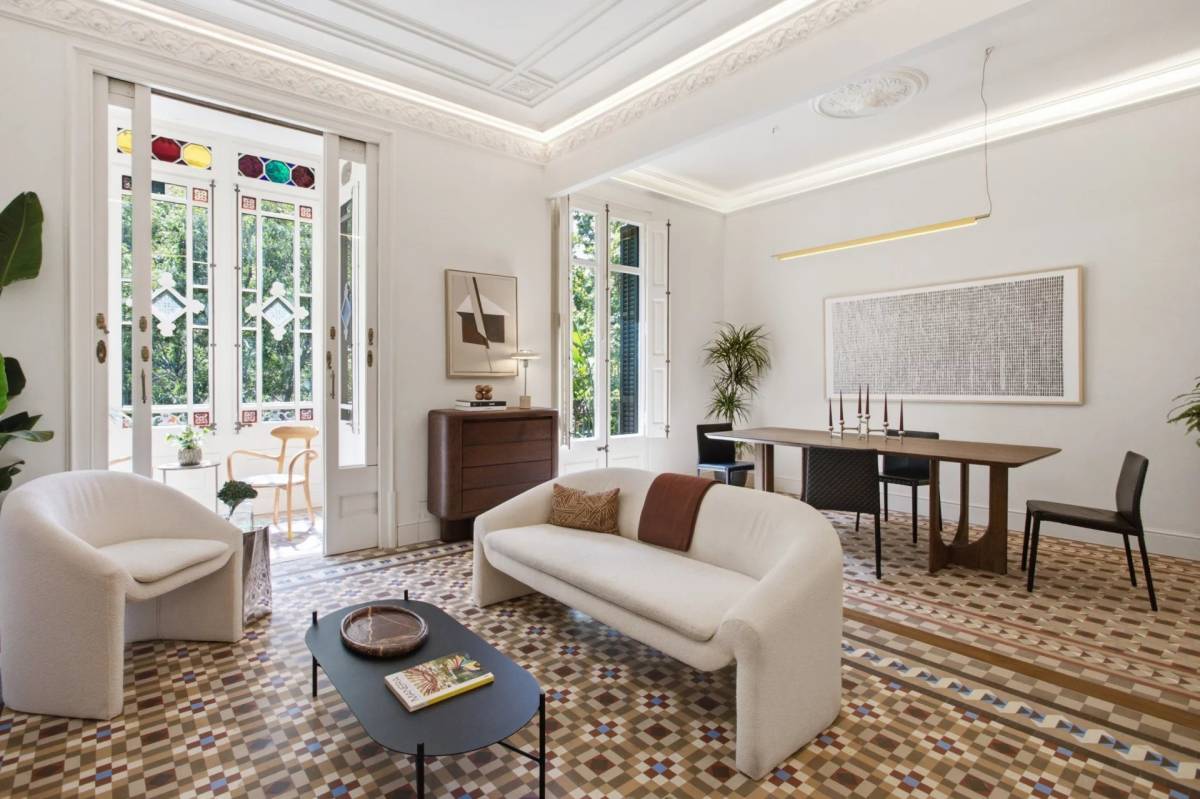
In the Eixample, Ciutat Vella, or Gràcia, restoring listed buildings and grand period fincas continues to power the prime segment. The brief: revive Nolla tiles, original carpentry, and moldings while integrating high-performance HVAC, acoustic insulation, and discreet smart controls. In the Baix Empordà, upgrading masias preserves load-bearing stone walls and Catalan vaults, adding geothermal, aerothermal, or photovoltaic systems to raise comfort and efficiency without losing the soul of the place.
New build (Uptown, Poblenou–22@, and the Maresme seafront).
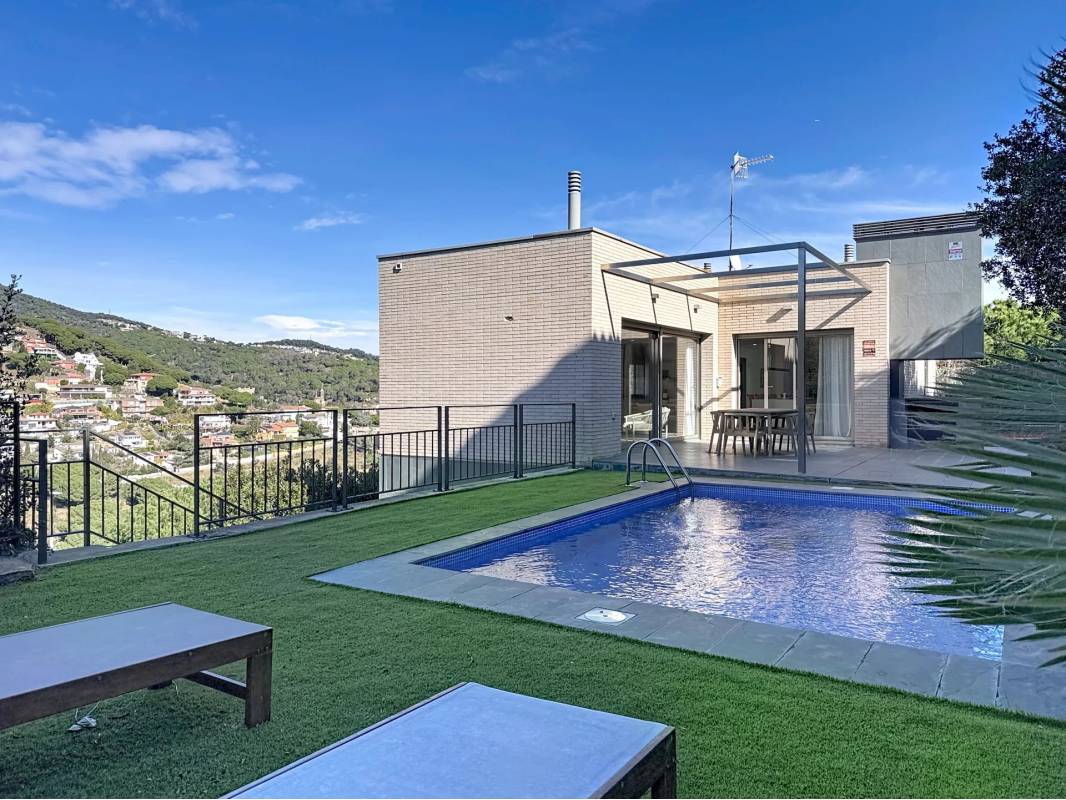
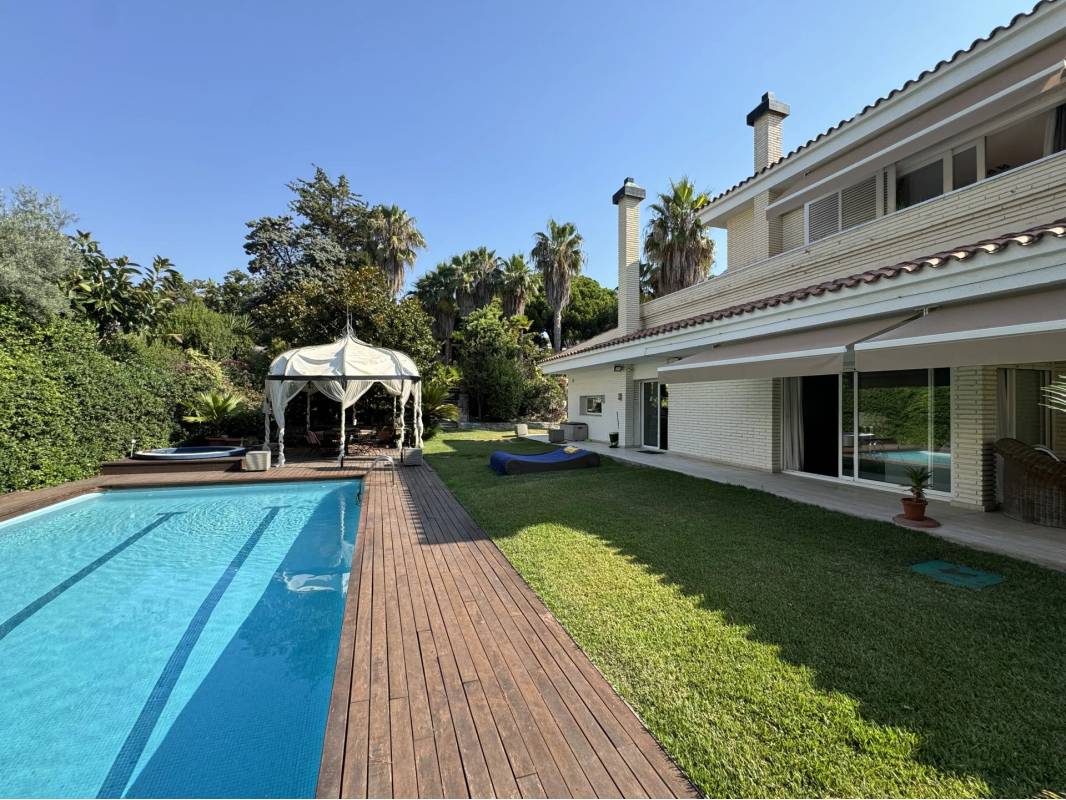
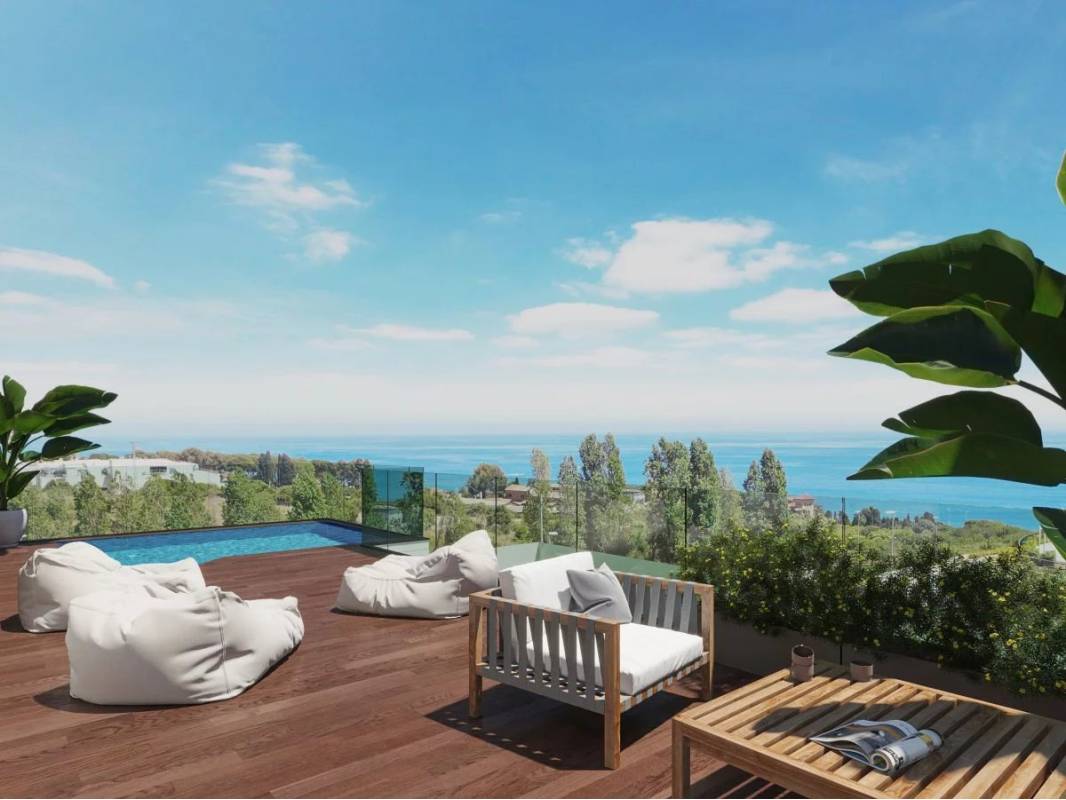
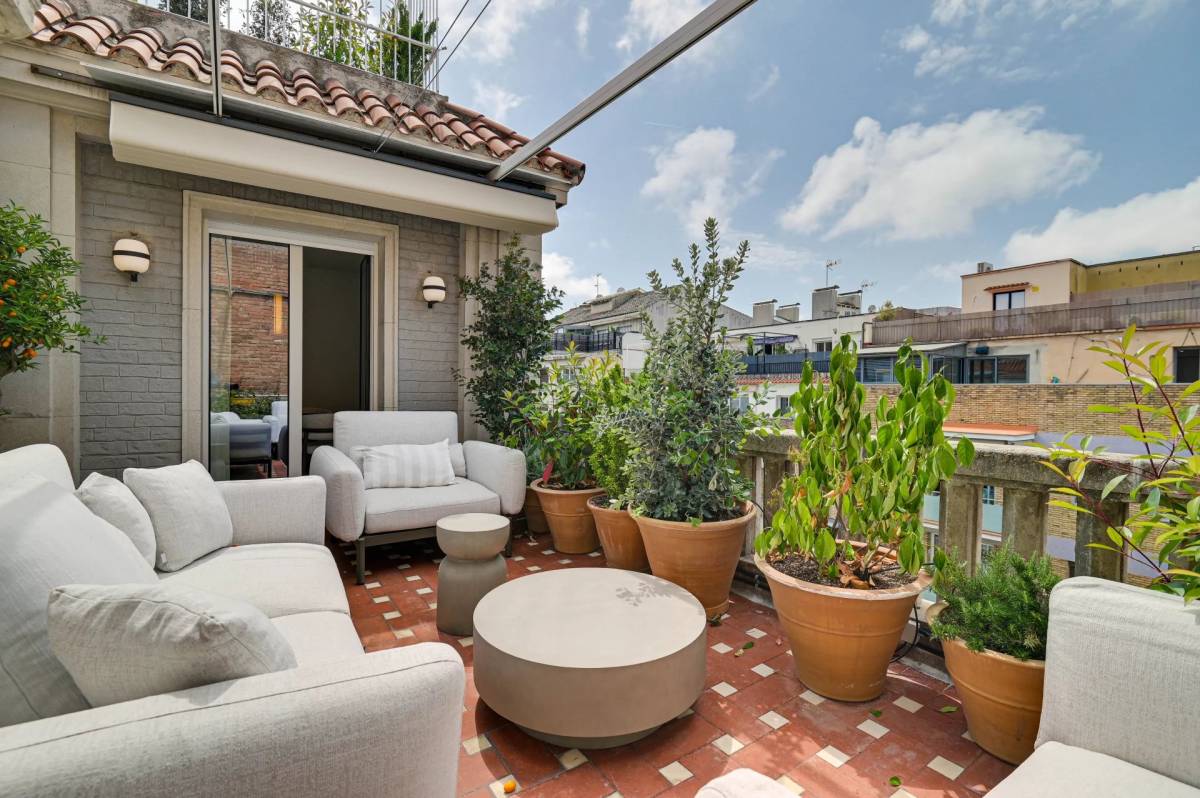
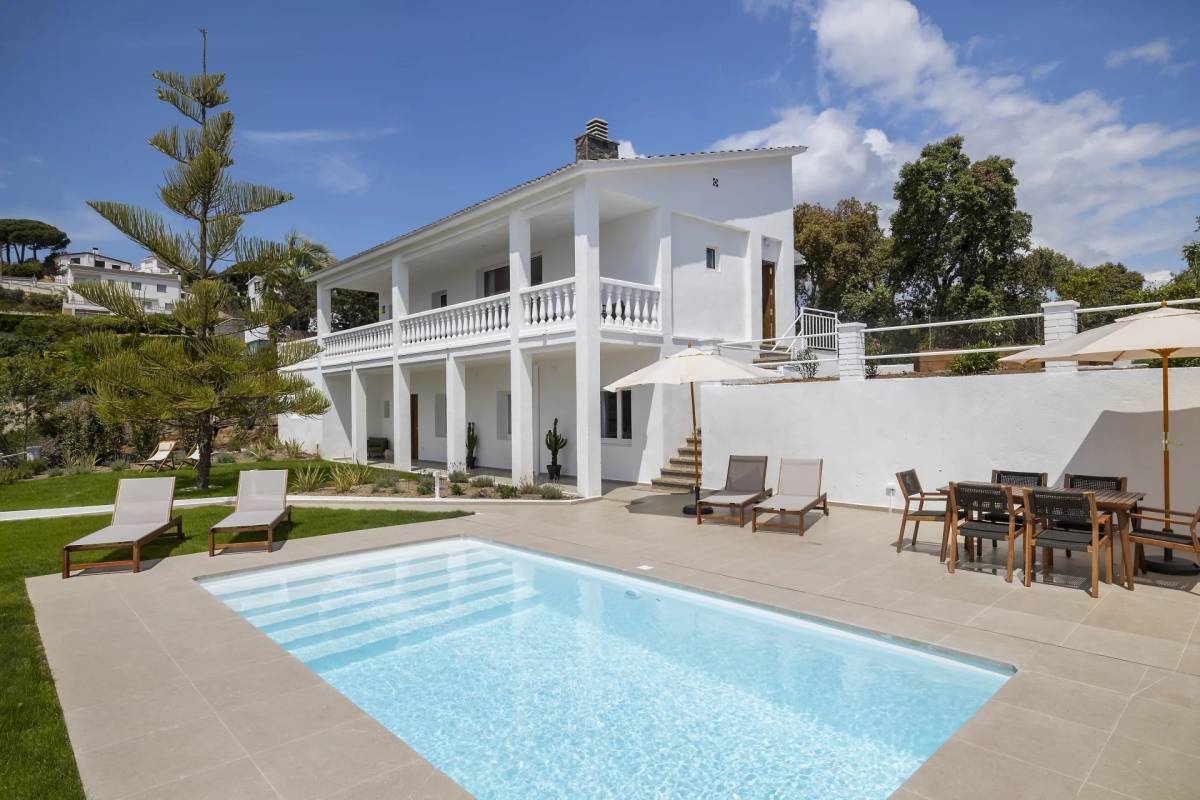
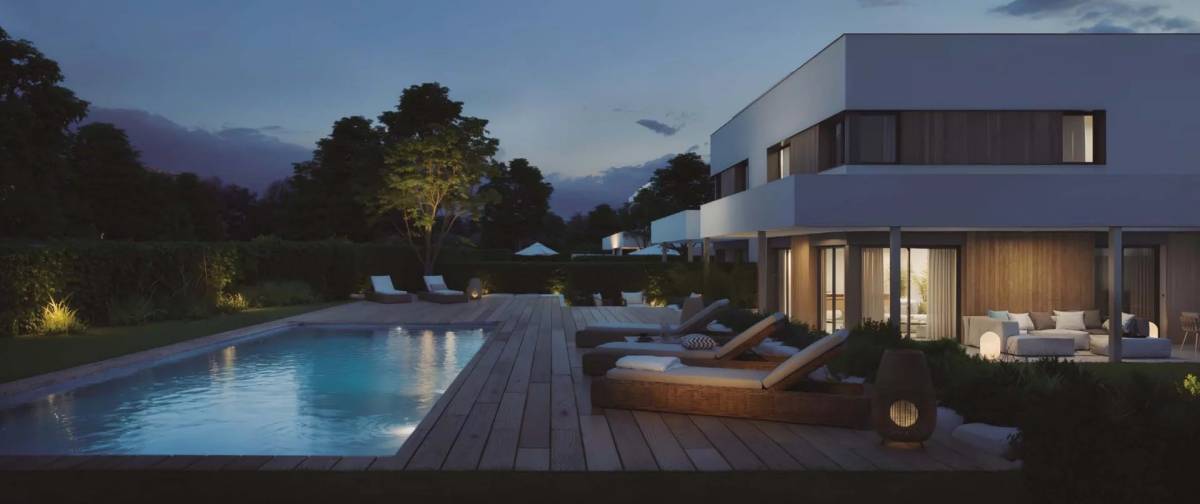
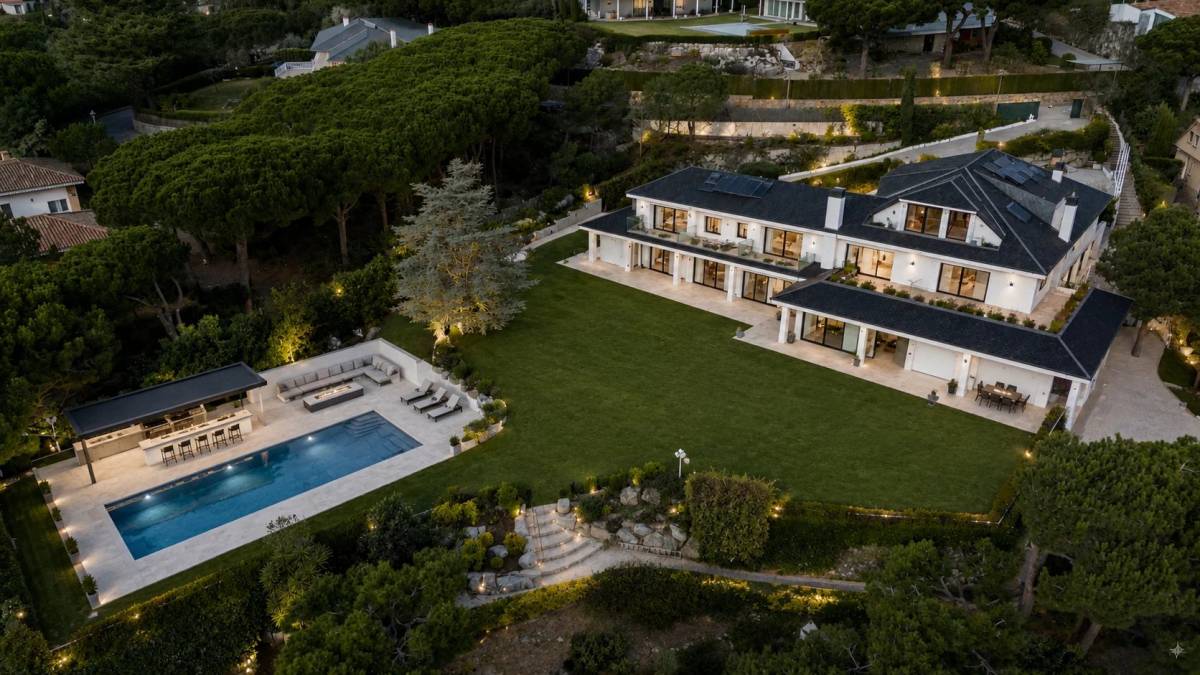
Projects with amenities (concierge, gym, pool, coworking) and advanced efficiency standards target buyers seeking services, designer interiors, and liveable terraces. In the Maresme—Alella, Teià, Sant Andreu de Llavaneres—contemporary villas prioritise privacy, orientation, sea views, and low-water Mediterranean landscaping.
Conversion and adaptive reuse.
Shops, warehouses, and former agricultural outbuildings are reimagined as singular homes, lofts, or live–work spaces. Done well, this approach marries sustainability (reusing structure and materials) with product uniqueness—two attributes global buyers value and pay for.
Design that compounds value: five principles the market rewards
-
Spatial quality and natural light
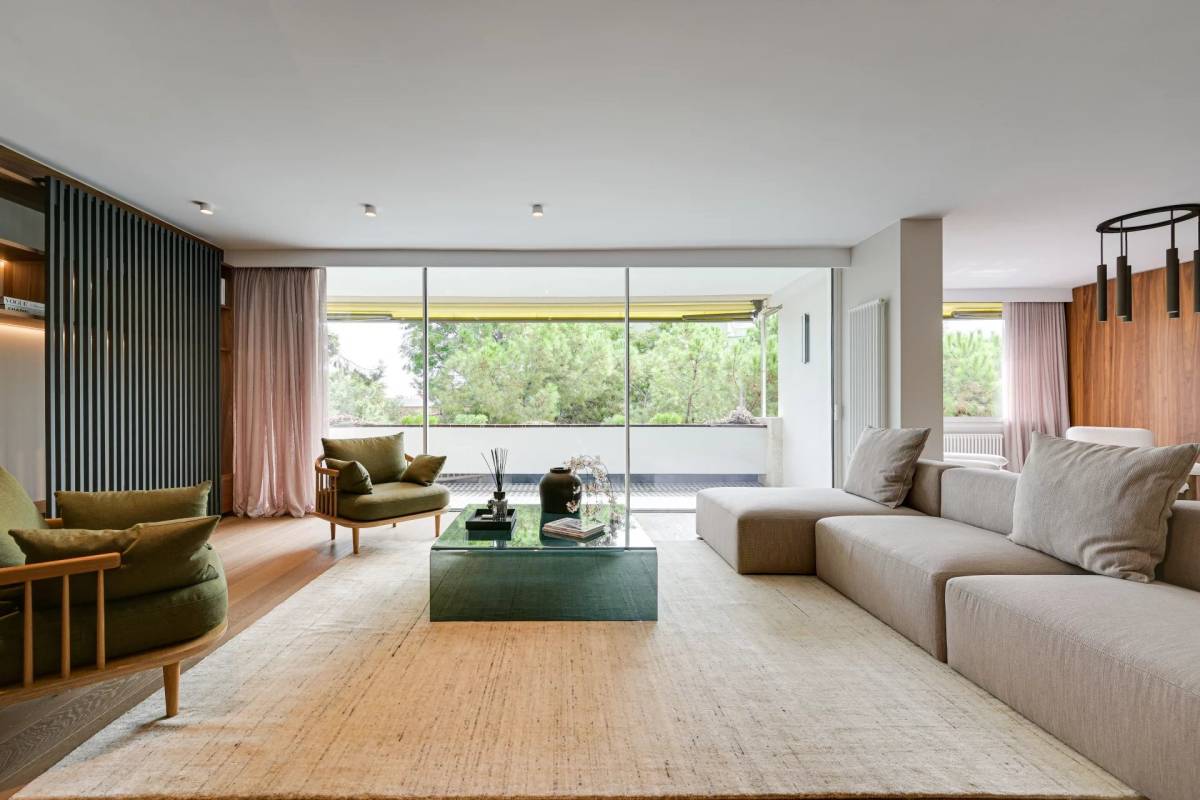
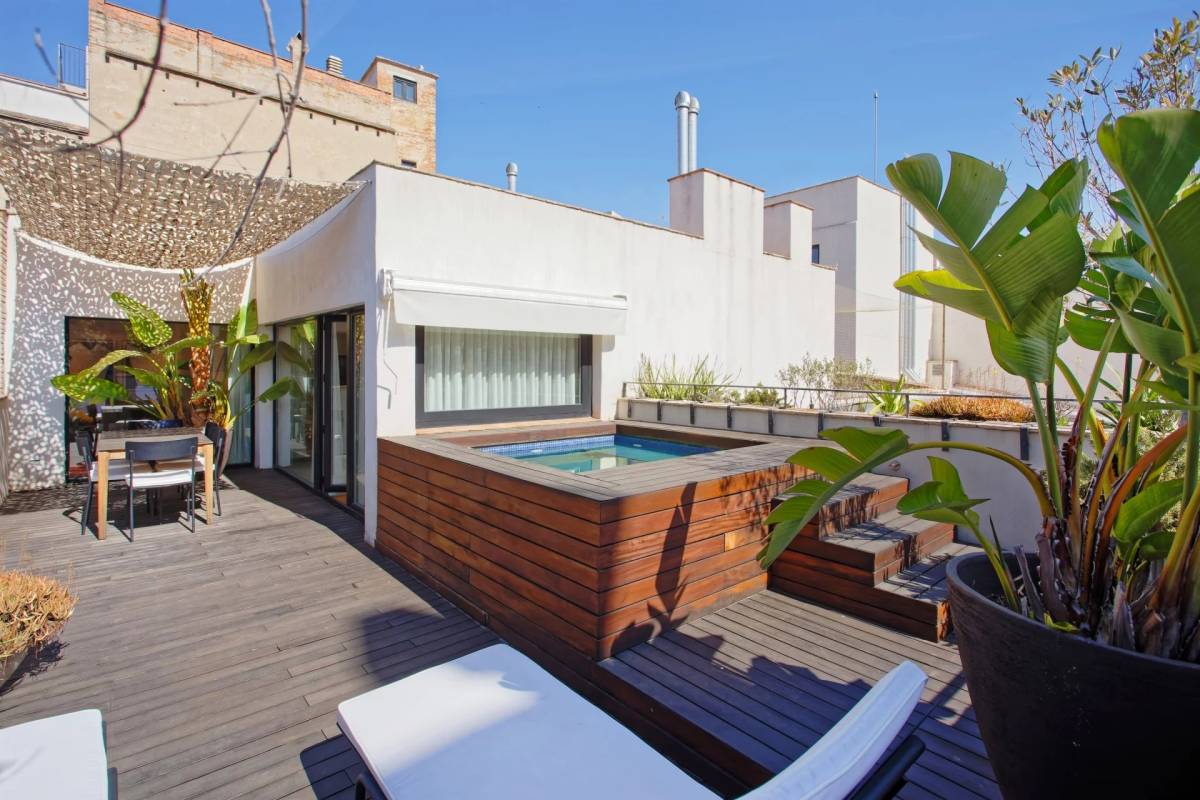
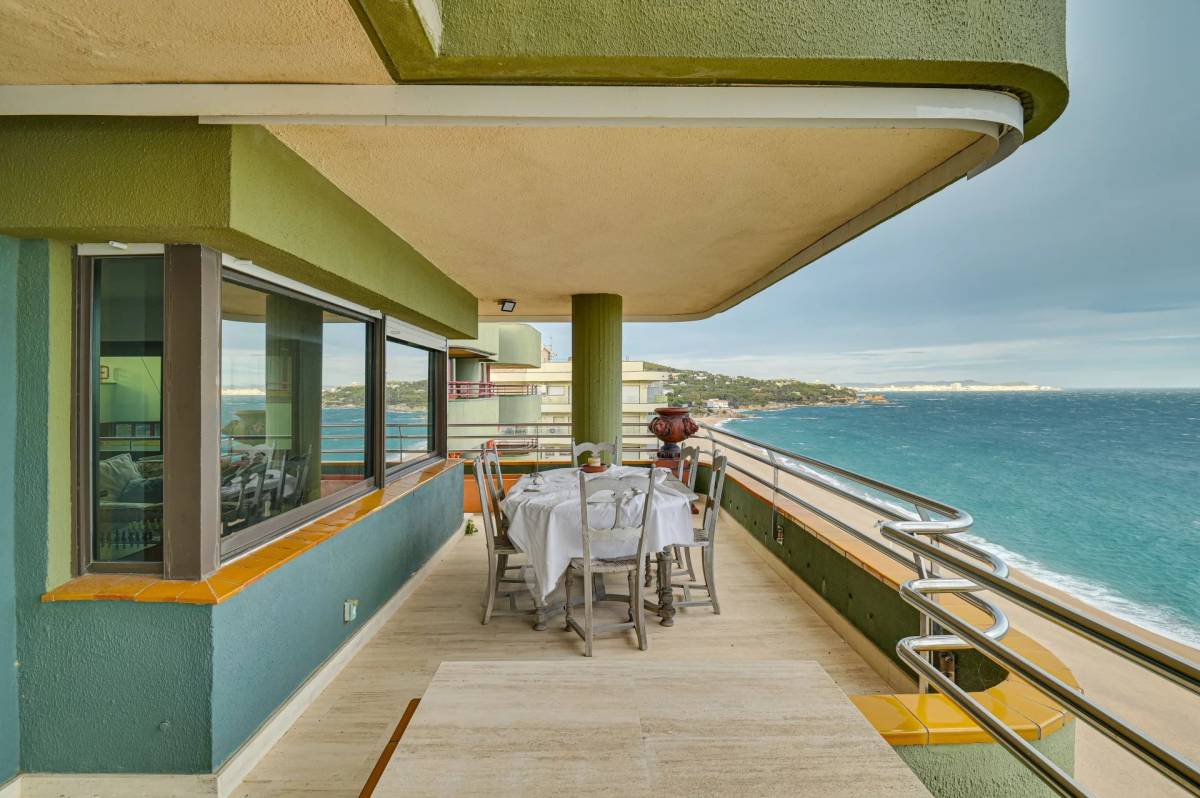
Generous ceiling heights, cross-ventilation, well-oriented openings, and inside–outside transitions (porches, patios, rooftops) define real comfort. On the coast, passive solar protection and galleries temper heat gain without sacrificing views. -
High-grade, honest, durable materials
Natural stone, certified timber, lime mortars, artisanal ceramics, and noble metals age better and elevate the perception of luxury. In restoration, less is more: consolidate the original and layer contemporary additions legibly. -
Efficiency and health
Thermal envelopes, high-performance glazing, aerothermal systems, rainwater recovery, energy monitoring, and indoor air quality (filtration and fresh-air renewal) reduce operating costs and strengthen resale. International demand asks for it. -
Useful, non-intrusive technology
Smart controls for climate, lighting, and access; EV-ready wiring; high-capacity data networks. The aim is to simplify life, not complicate it. -
Mediterranean landscape
Xeriscaping, native species, natural shade, and careful water management. A well-designed garden “extends” the home and lowers maintenance.
Planning and permits: what to verify from day one
-
Zoning and land classification (permitted uses, buildability, alignments, setbacks).
-
Heritage protection (catalogues, intervention levels, protected elements).
-
Use compatibilities (residential, low-density hospitality, complementary activities).
-
Structural and MEP condition (surveys, encumbrances, easements).
-
Permitting strategy: concept aligned to planning, basic/executive projects, and coordination with heritage authorities where required.
Early technical and planning due diligence prevents overruns and programme slips. On the coast or rural land, environmental and landscape constraints are decisive.
Barcelona, Maresme, and Empordà: opportunity maps
Barcelona (Eixample, Poblenou, Uptown).
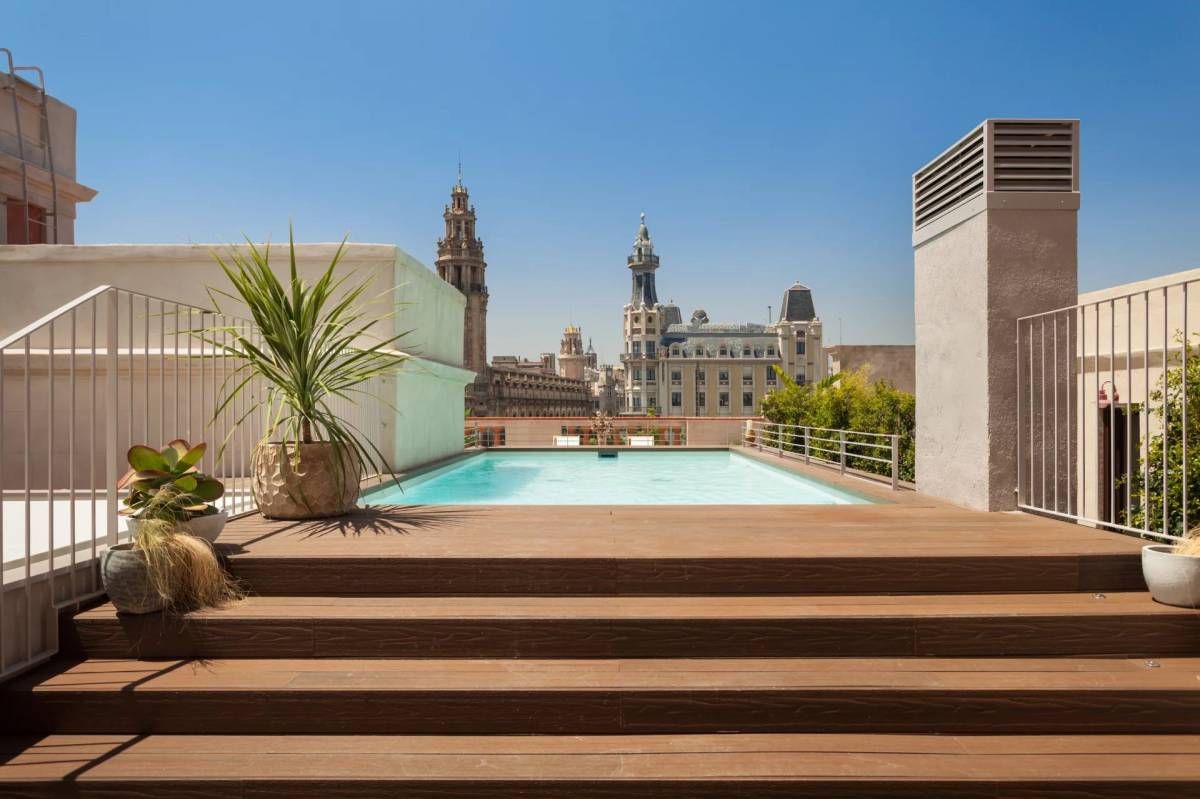
In the Eixample, the most liquid product blends historic fabric, exacting rehab, and strong energy performance. In Poblenou–22@, professional demand seeks buildings with services and terraces. In the Uptown areas—Pedralbes, Sarrià–Sant Gervasi—houses and garden apartments retain family appeal due to schools and setting.
Maresme (Alella, Teià, Llavaneres).
Villas with privacy, sea views, integrated pools, and community security. Proximity to Barcelona and international schools supports occupancy and resale.
Costa Brava/Empordà (Begur, Pals, Ullastret, Monells).
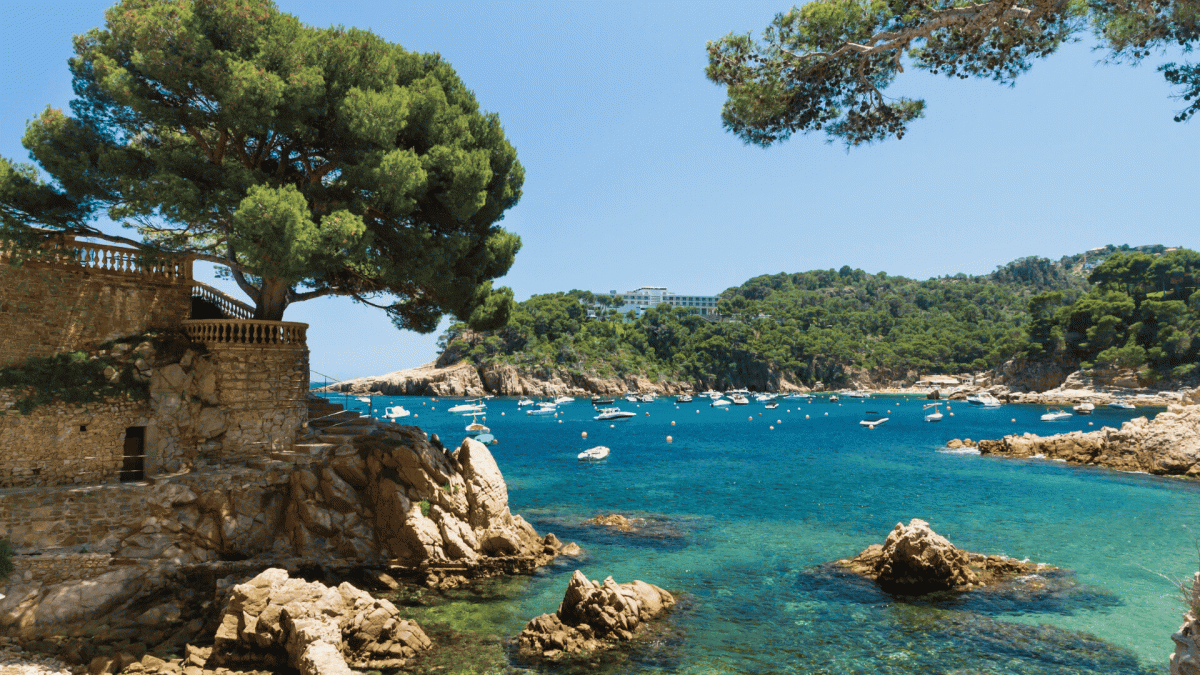
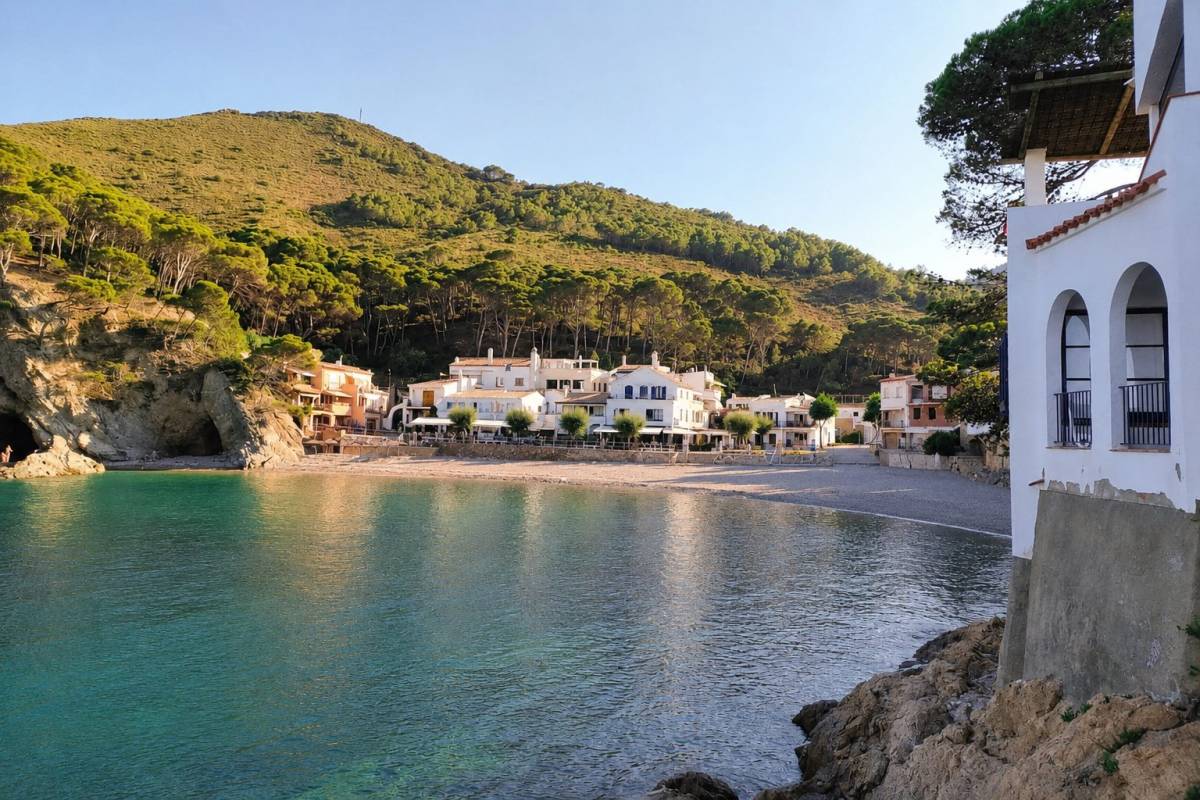
Rehabilitating masias and stone houses with rigor—or integrating new build within pre-existing ruins—creates singular assets with strong heritage value and stable international demand.
Budget, timeline, and risk: how to run the project
-
Realistic budget with contingency (10–15% for rehabilitation).
-
Milestone planning (design, permits, works, material lead times) and secured procurement.
-
Robust team: architecture studio with local track record, project management, quantity surveying/engineering, and landscape design.
-
Quality control and energy commissioning prior to handover.
Great architecture isn’t just a beautiful render—it’s an asset that works, is maintainable, and appreciates.
Investment and returns: why good architecture pays
-
First sale or resale at prime prices when design, execution, and location align.
-
Long-let or corporate rental is more liquid in service-rich, efficient buildings.
-
Patrimonial strength: assets with identity, performance, and full documentation weather cycles better.
If you plan to develop, rehabilitate, or acquire an architectural project in Catalonia, end-to-end advisory makes the difference: asset sourcing, planning analysis, technical due diligence, true market comps, and go-to-market strategy. At BARNES Barcelona, Maresme, and Costa Brava/Empordà, we combine local expertise with global reach so your project is outstanding architecture—and a solid long-term investment.
Comments (0)

No comments, be the first to react to this article!