Luxury houses on the Costa Brava: areas, property types and buying tips

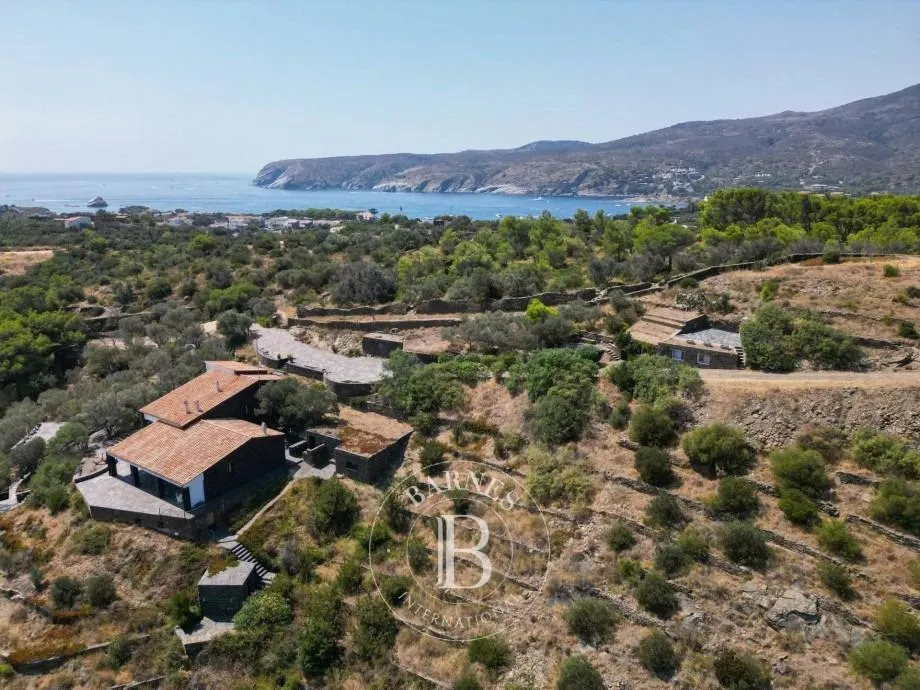
A luxury house on the Costa Brava combines three elements that rarely coincide: a privileged position on the Mediterranean, a protected natural setting and a level of privacy that is hard to find close to a large city. The most sought-after properties are spread between the coves of the Baix Empordà, the surroundings of Cadaqués and the Alt Empordà, marina communities such as Empuriabrava and the residential estates of Platja d'Aro and S'Agaró. This guide explains which areas exist, which types of house you will find, what to check before buying and how to gain access to the best properties.

Why the Costa Brava appeals to international buyers
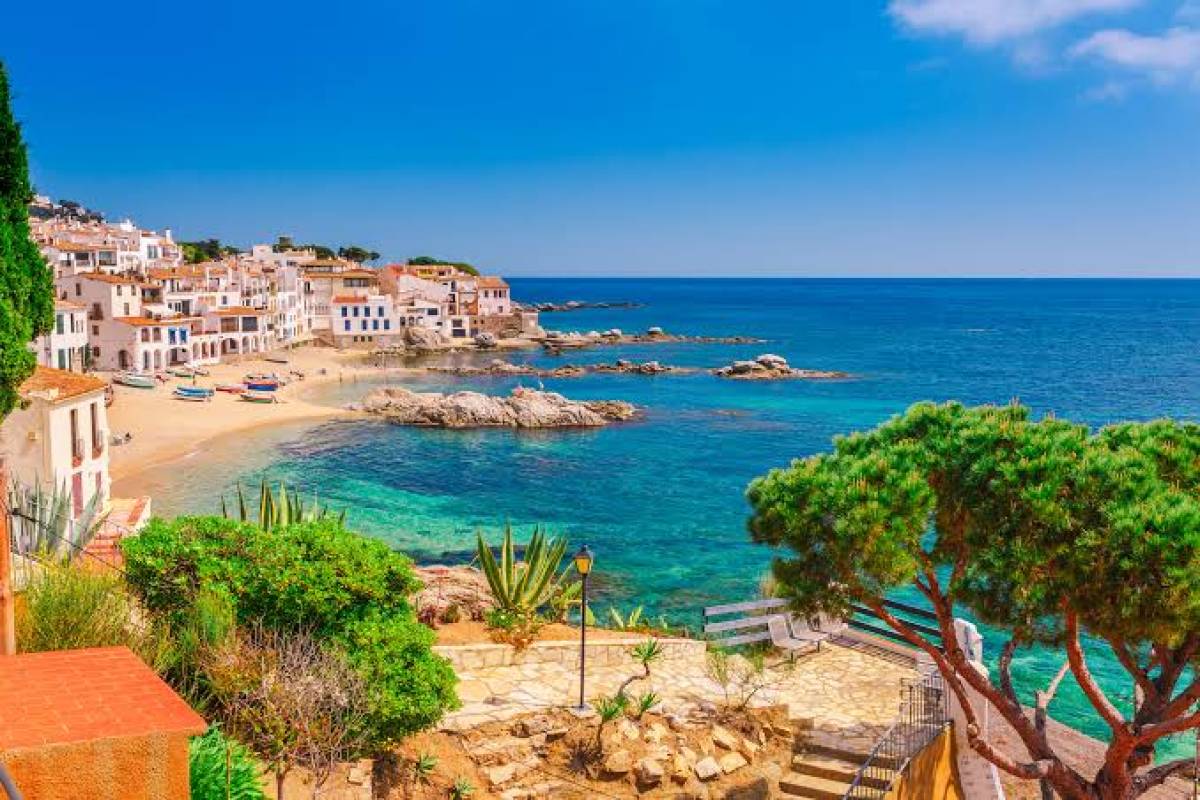
The Costa Brava offers what many international buyers look for in a second home: clear-water coves, stone villages with great character, good food, vineyards and an outdoor life for much of the year. It lies in the province of Girona, north of Barcelona, and depending on the area it is between one hour and an hour and a half by car from the Catalan capital. Girona-Costa Brava airport and Barcelona-El Prat airport serve as gateways.
Unlike other Mediterranean destinations, much of its coastline has kept its scale and its landscape. That protection is both its greatest attraction and the reason why the supply of distinctive houses is limited and planning rules are demanding.
Costa Brava areas for buying a luxury house
Cadaqués and the Alt Empordà
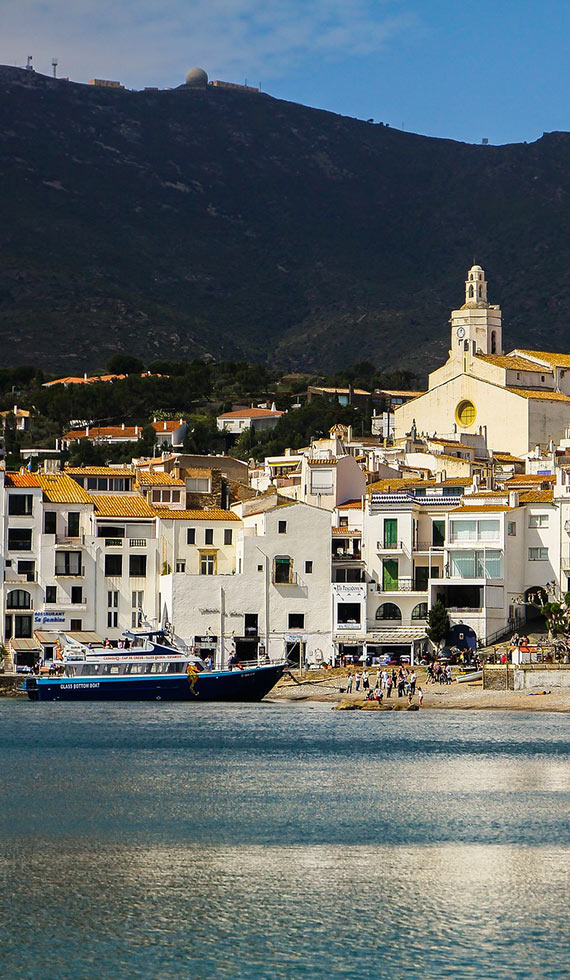
Cadaqués is one of the most recognisable destinations on the Catalan coast, with its whitewashed old town, its light and its link with art. Houses here are usually distinctive, with sea views and very limited supply. If this is your destination, we recommend our guide to buying a house in Cadaqués.
Begur, Aiguablava and the coves of the Baix Empordà
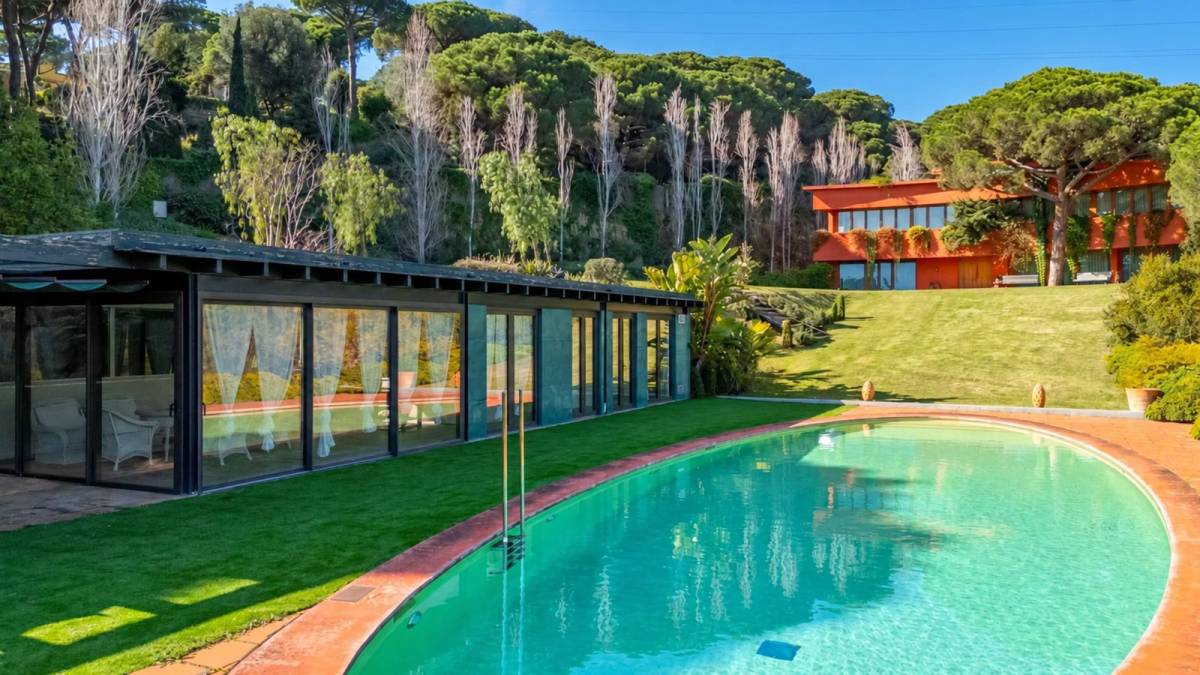
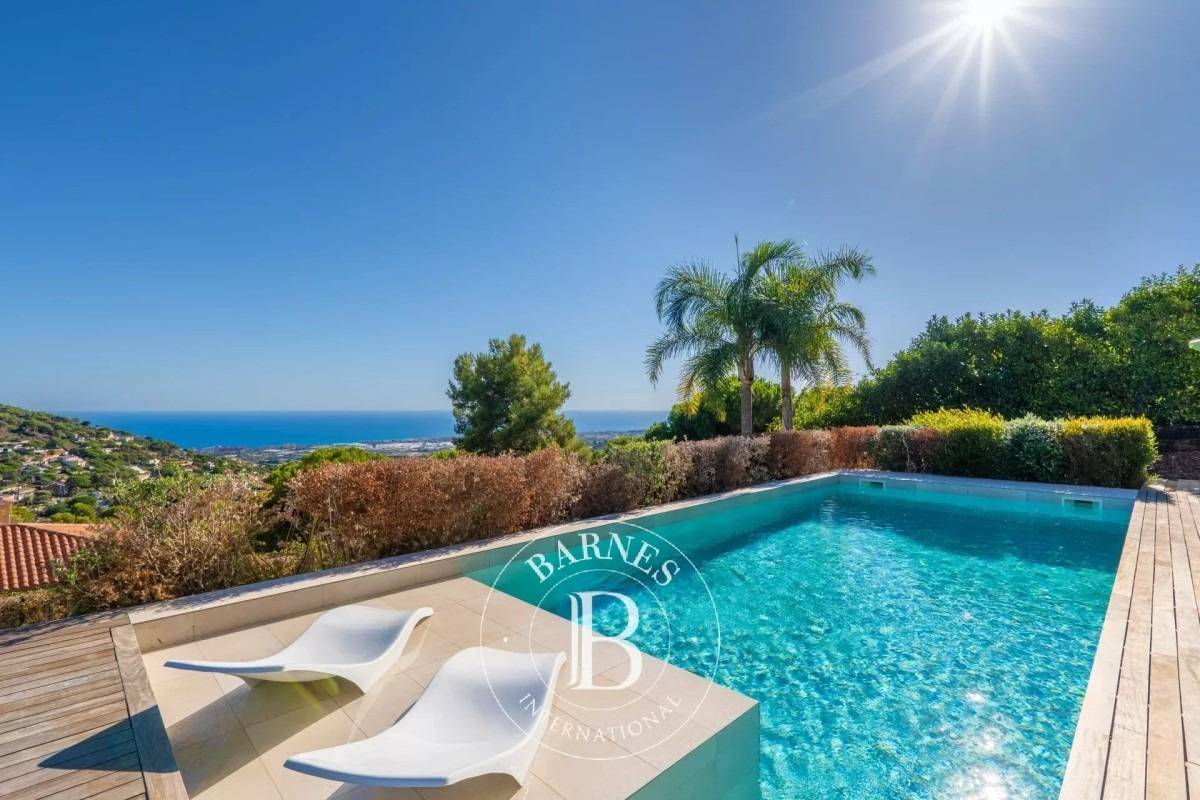
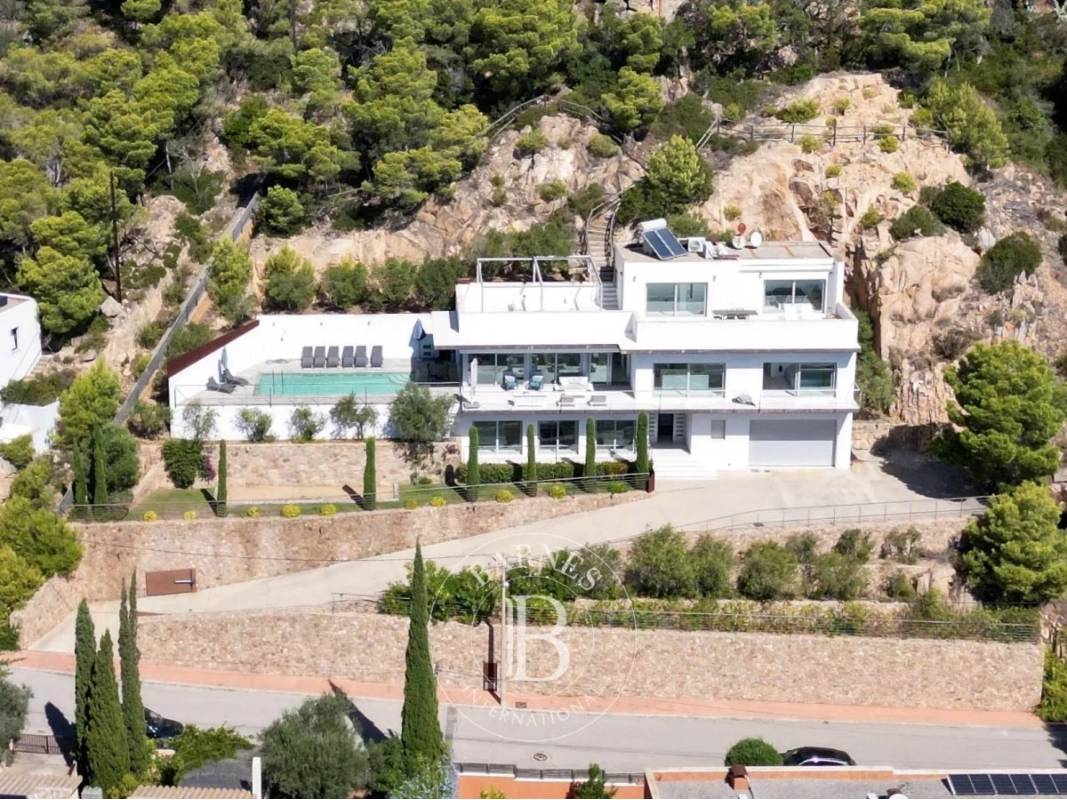
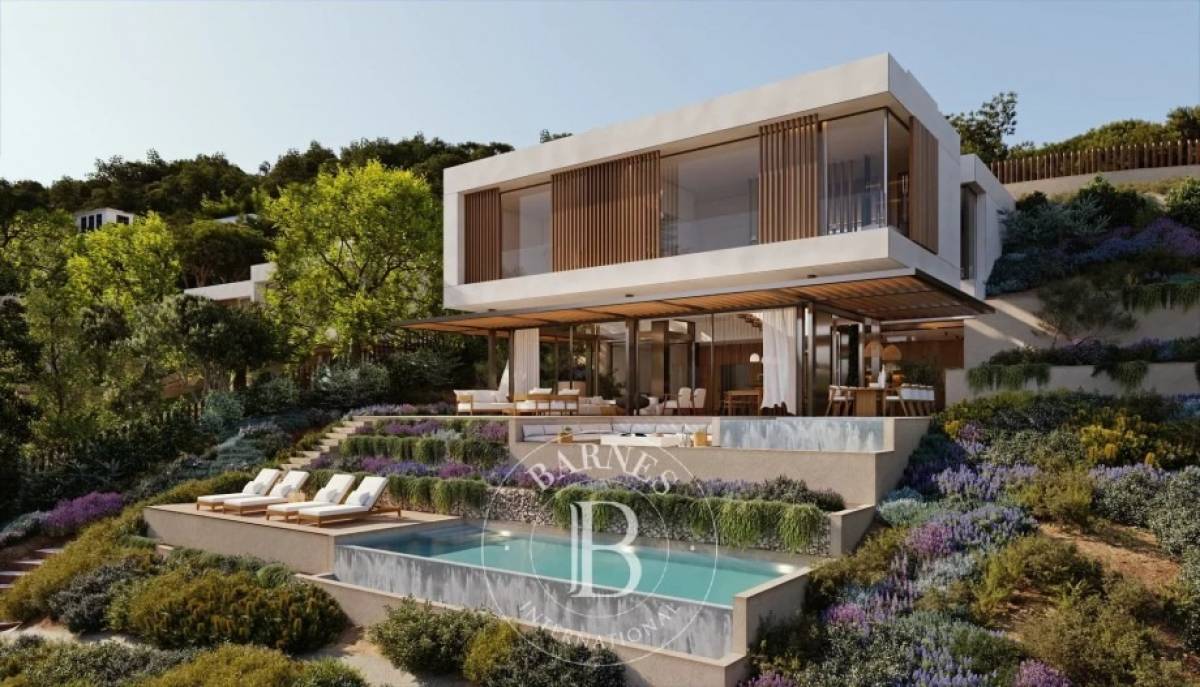
This is the area of small coves surrounded by pine woods, with contemporary designer villas, restored stone houses and properties with open sea views. We have analysed its areas, coves and property types in buying a house in Begur.

Platja d'Aro and S'Agaró
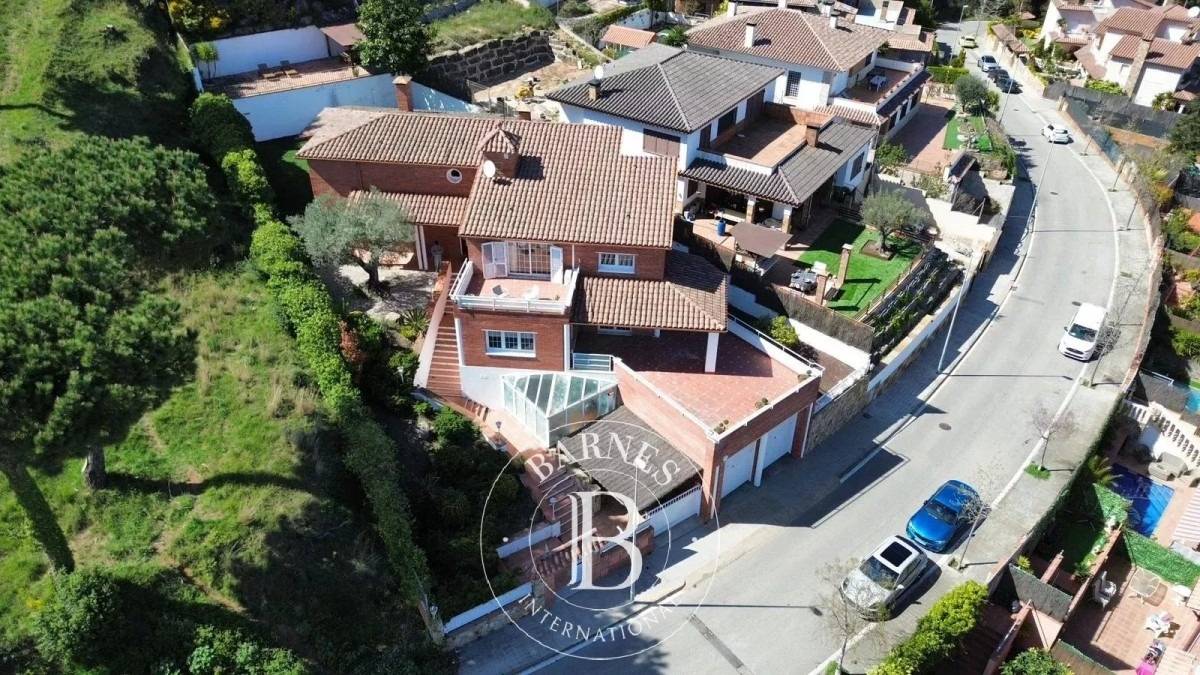
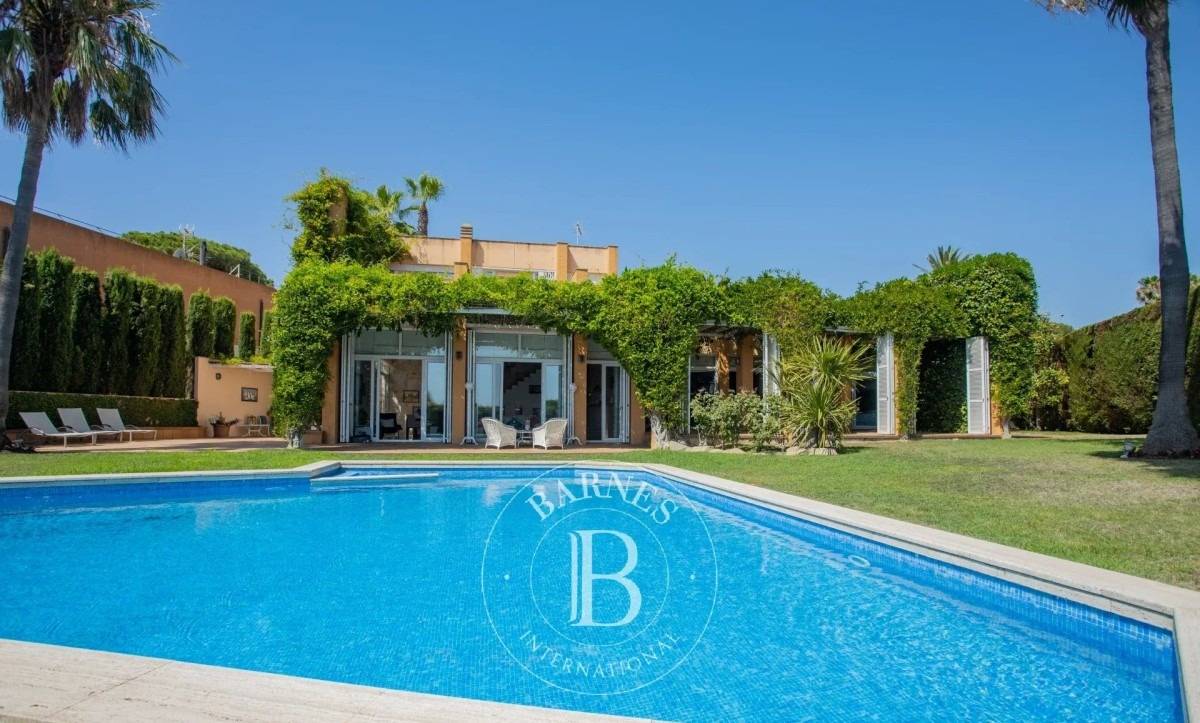
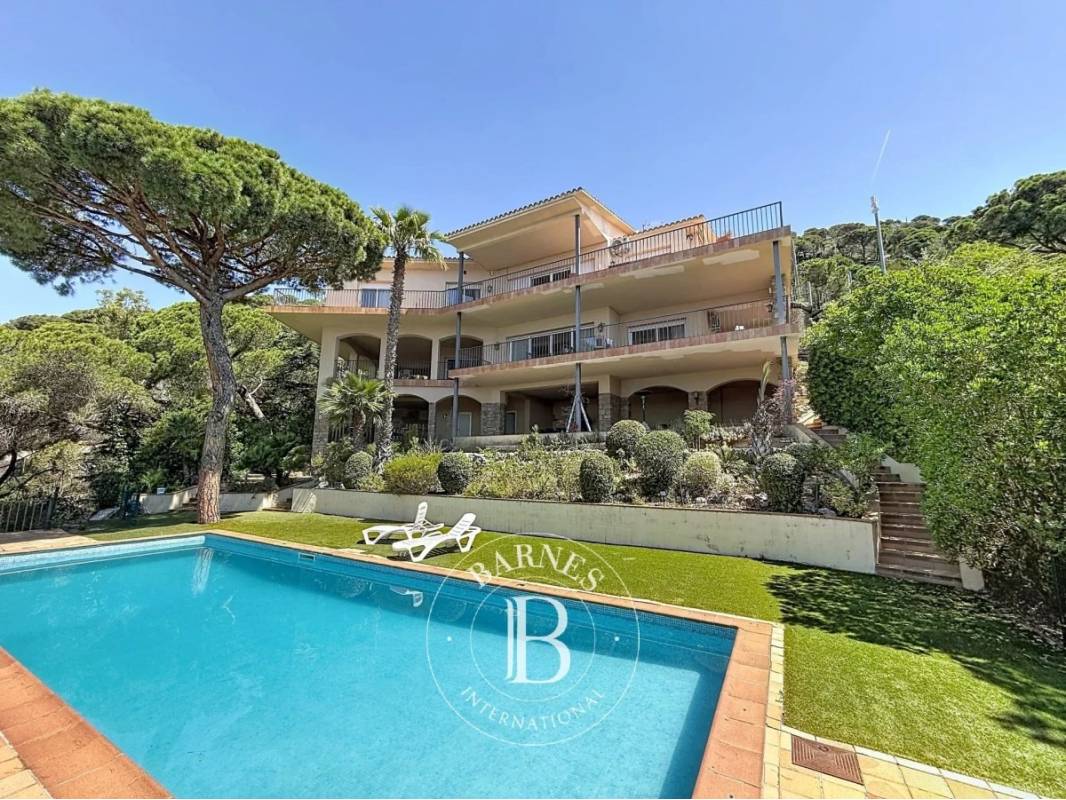
Established residential estates predominate here, with large houses, gardens and swimming pools, and services close by. It is a common choice for families looking for comfort and good connections all year round.
Empuriabrava and the waterfront with moorings
For those who want to live with the boat next to the house, Empuriabrava stands out for its navigable canals, which make it possible to moor at the foot of the property. Elsewhere on the coast, proximity to a marina is the factor that carries most weight. If boating is part of your lifestyle, it is worth checking mooring availability and conditions well in advance.
The Empordà interior
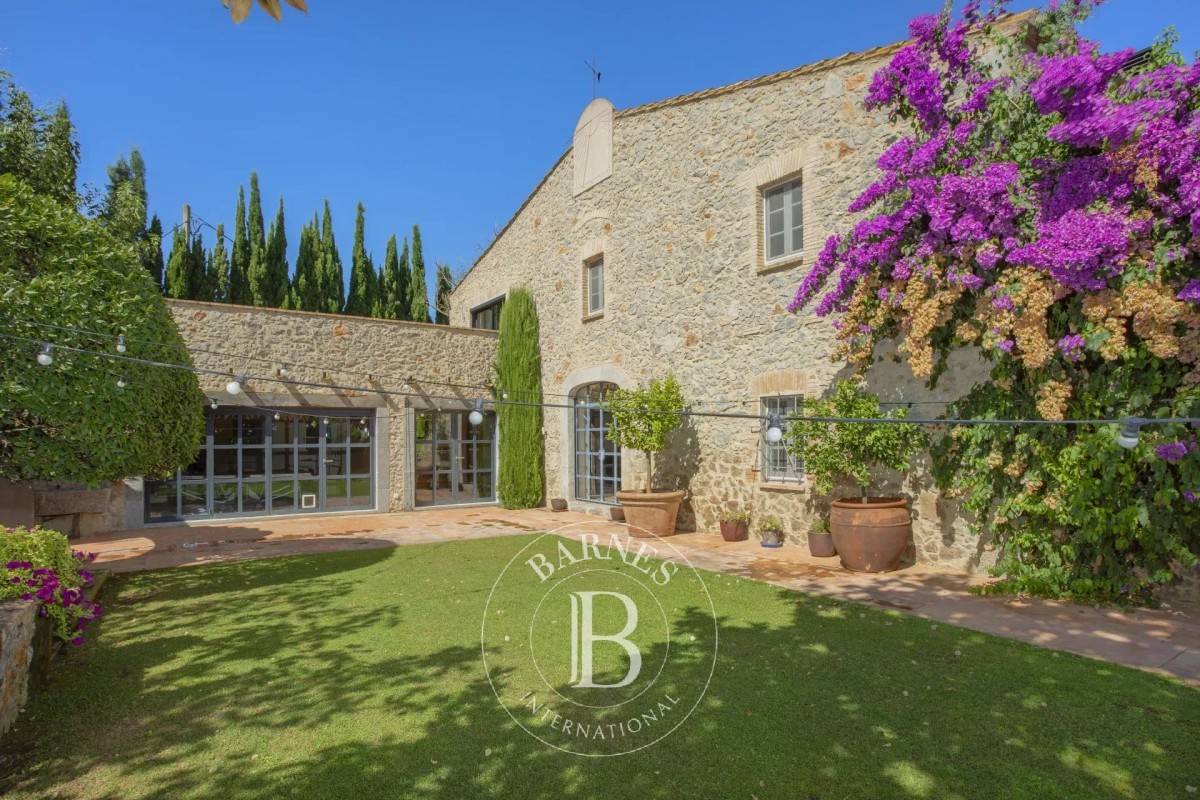
Behind the coast, medieval villages and farmhouses (masías) offer more space and larger plots, a few minutes from the beach. It is an alternative for those who prefer the countryside and the vineyards. You can see more villages in our guide to Costa Brava villages to live in.
Types of luxury house on the Costa Brava
The supply falls into four profiles. Contemporary villas with large windows, terraces and an infinity pool in elevated areas. Classic Mediterranean houses in established estates, with mature gardens. Village houses and restored farmhouses, with stone walls and architectural heritage. And frontline properties or those with private access to the sea, the scarcest and the ones that demand the most care from a legal point of view.
What to check before buying a house on the Costa Brava
- Coastal regulations: proximity to the sea brings limits on building and renovating. It is advisable to check the property's position in relation to the maritime-terrestrial public domain and its protection zones.
- Planning classification: what can be built, extended or changed in use, and whether what has already been built is legalised.
- Registry and cadastral position: the "nota simple", any charges and the match between registered and actual floor areas.
- Condition of the estate: roads, fees, water supply and drainage, and access to services.
- Tourist rental: if you plan to rent the property out, it is essential to verify the regional and municipal rules in force, which can be restrictive.
- Maintenance: a house used seasonally needs a reliable service for garden, pool and security while you are away.
How the purchase process works
Once the property has been identified, the process usually begins with an offer and a reservation, followed by the signing of a deposit contract (contrato de arras) that sets out the conditions and timeframes. Before the deed is signed before a notary, the documentation and the land registry position are reviewed, and tax formalities and, where relevant, financing are coordinated. Having a lawyer, a tax adviser and an agency that coordinates every step from the outset shortens timelines and avoids surprises, above all when the buyer lives outside Spain.
Available properties and the private market
An important share of the best Costa Brava houses changes hands without reaching the portals, through agencies with a network and knowledge of the area. You can view our current selection of houses for sale on the Costa Brava or contact us to learn about opportunities that have not yet been published.
If you own property on the Costa Brava
If you are thinking of selling, valuing a distinctive house requires taking into account its exact location, views, condition and legal status. We explain the factors in how a prime property is valued, and you can request a confidential valuation of your property.
Frequently asked questions
Which are the best areas for buying a luxury house on the Costa Brava?
It depends on your lifestyle: Cadaqués and the Alt Empordà for those seeking distinctiveness and art; Begur and the coves of the Baix Empordà for sea views and contemporary villas; Platja d'Aro and S'Agaró for established residential estates; and Empuriabrava for those who want a mooring beside the property.
Can a non-resident buy a house on the Costa Brava?
Yes. Non-residents may buy property in Spain. The transaction requires, among other formalities, a foreigner's identification number (NIE), and it is advisable to have legal and tax advice from the outset.
Is it possible to buy a frontline seaside house?
Frontline properties exist, but they are scarce and subject to coastal regulations. Before buying, a professional should check the property's position in relation to the maritime-terrestrial public domain and its protection zones.
What taxes are paid when buying a home in Catalonia?
In general, a resale home is subject to transfer tax (ITP), while a new build is subject to VAT and stamp duty (Impuesto de Actos Jurídicos Documentados). The rates are set by current legislation, so we recommend confirming them with the Catalan Tax Agency (atc.gencat.cat) before completing the purchase.
Speak to BARNES Barcelona
At BARNES Barcelona we accompany buyers and owners on the Costa Brava with discretion and knowledge of the area. If you are looking for a luxury house on the Costa Brava or would like to know the value of your property, contact our office or request a confidential valuation.
Comments (0)

No comments, be the first to react to this article!