Buying a masia in the Empordà: a practical guide for buyers

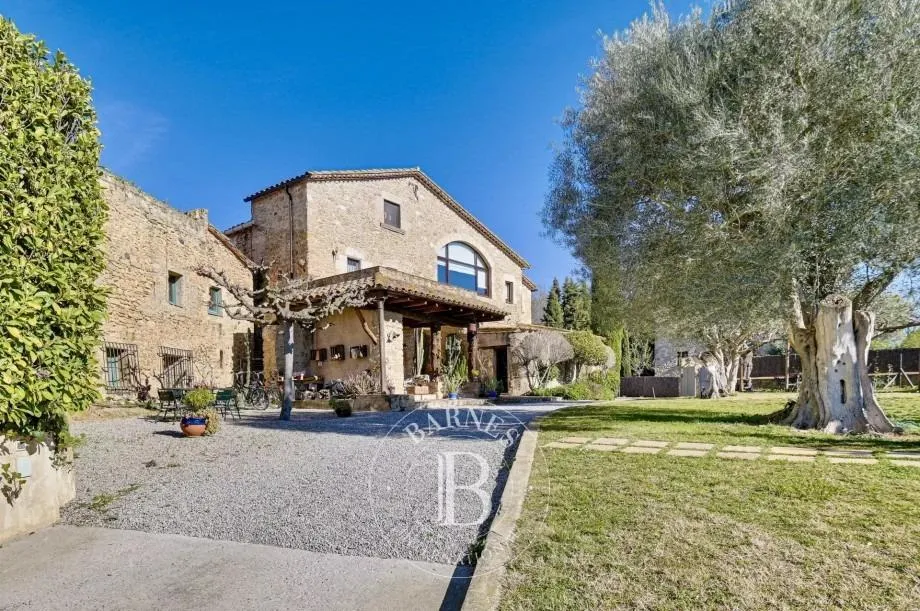
Buying a masia, a traditional Catalan farmhouse, in the Empordà is at once a decision about your assets and about your way of life. Before talking about stone, beams or views of the Montgrí, three things deserve careful review: what planning regulations allow on that land, how water and utilities reach the estate, and whether what is recorded in the Land Registry matches what has actually been built. Once these three questions are clear, everything else (renovation, design, use) can be decided with peace of mind.
In this guide, the BARNES Barcelona & Costa Brava team summarises what we review with our clients when they consider masias for sale in Girona and, in particular, in the Alt and Baix Empordà.
Why demand for masias is concentrated in the Empordà
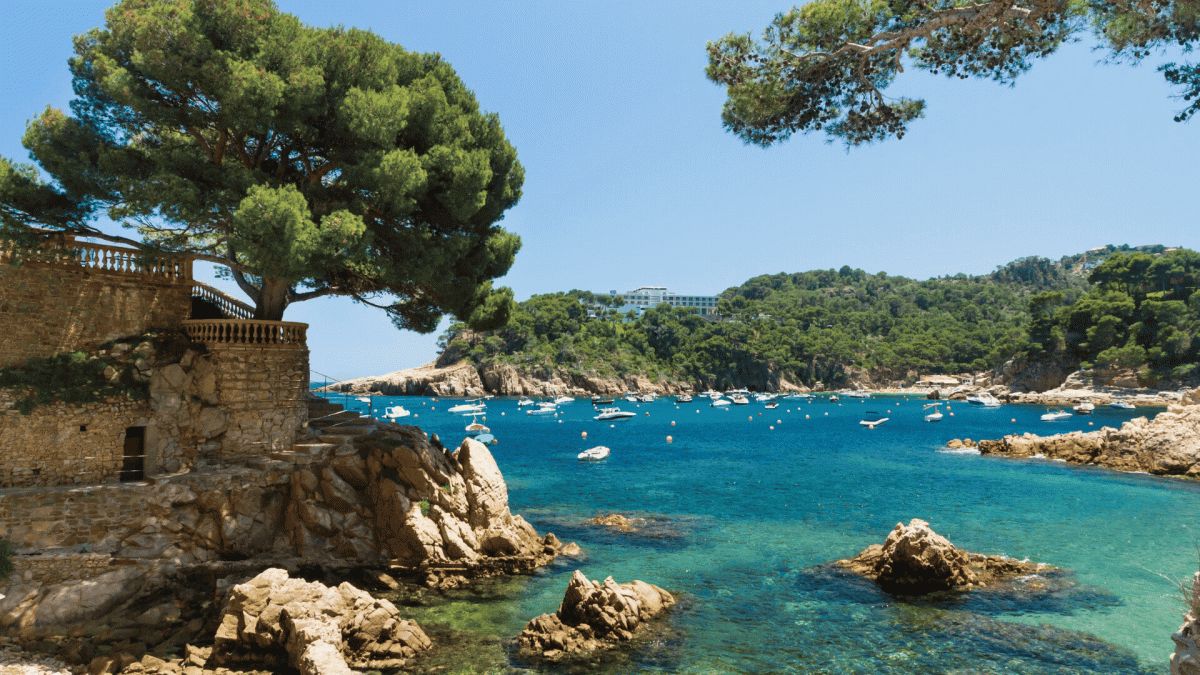
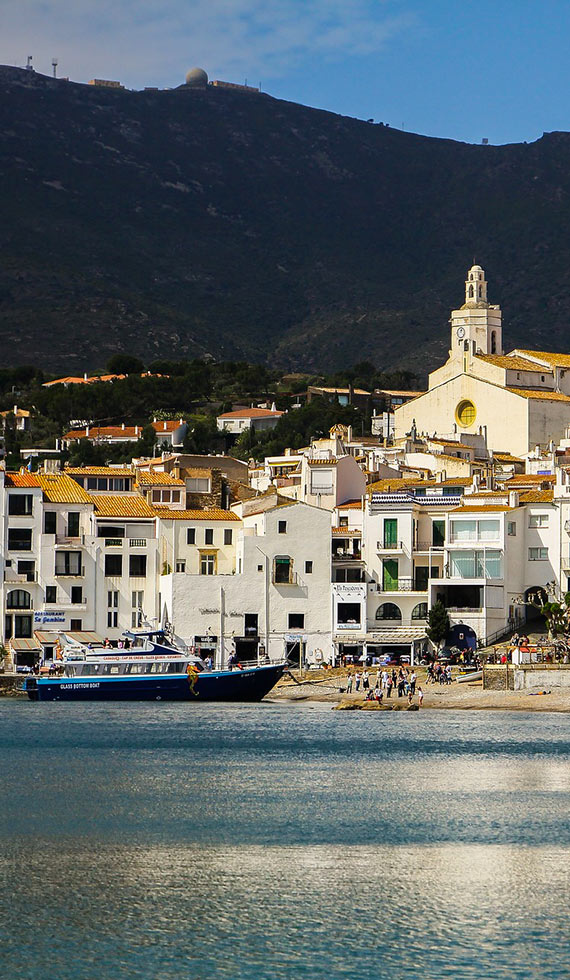
The Empordà brings together what many masia buyers are looking for: open farmland, well-preserved medieval villages, proximity to the Costa Brava coastline and a deeply rooted culture of gastronomy and wine. Unlike the seafront, what you buy here is space, silence and land.
Baix Empordà: between medieval villages and the coast
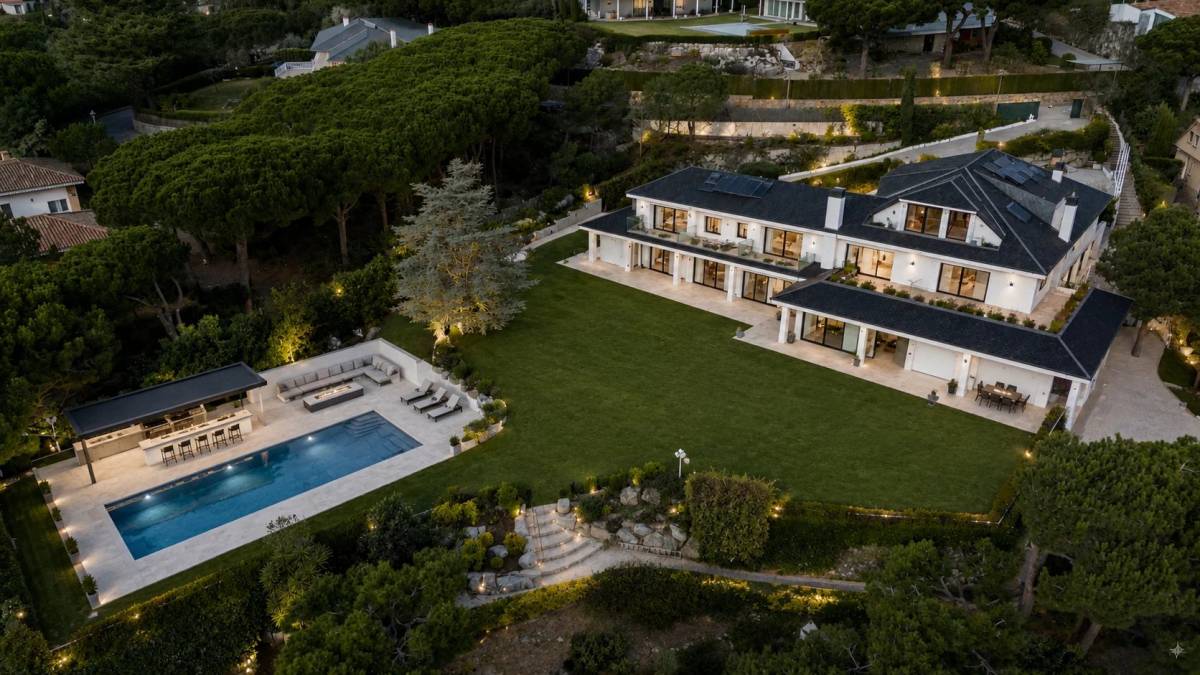
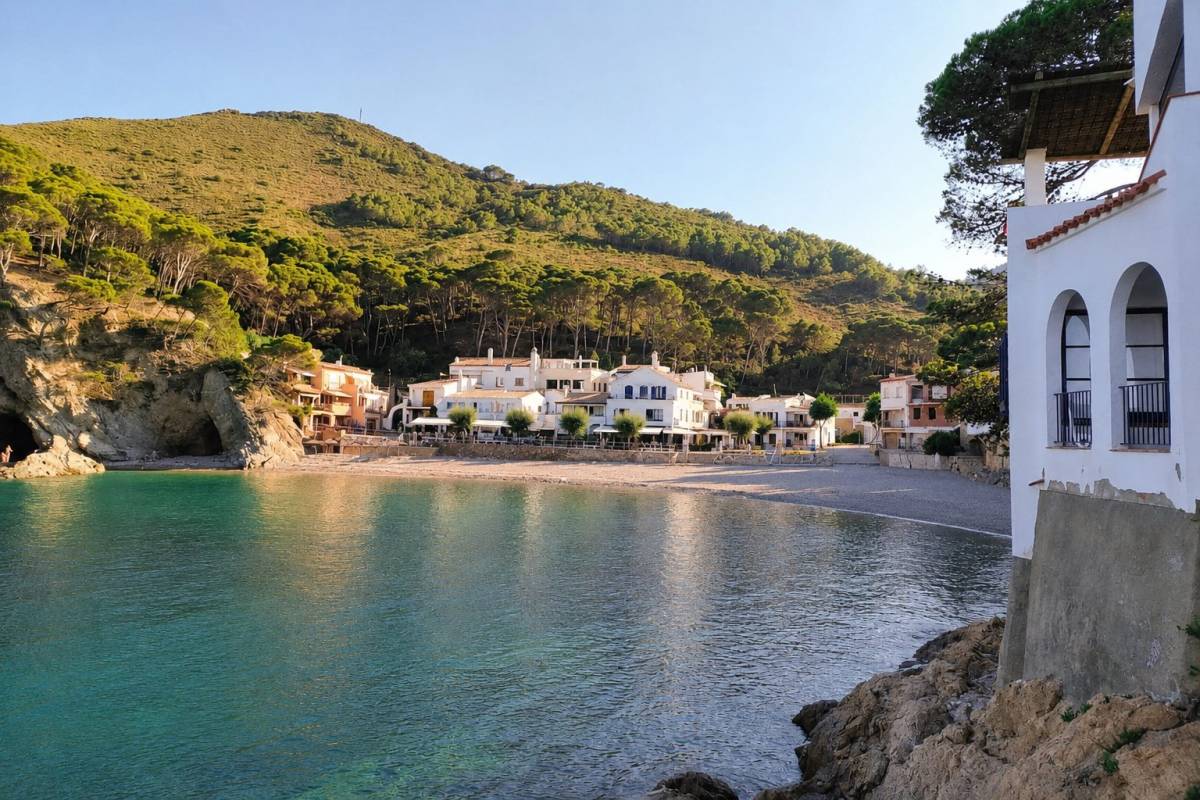
The Baix Empordà is the area most sought after by international buyers. The triangle formed by Pals, Peratallada, Monells, Cruïlles, Ullastret and the surroundings of La Bisbal allows you to live in the countryside a short distance from Begur, Palafrugell and the coves. Torroella de Montgrí and the Begur hinterland complete an offering in which restored masias with a garden, swimming pool and some land are plentiful.
Alt Empordà: more space and a more open landscape
The Alt Empordà, with Figueres as its county town and the surroundings of Peralada and Cap de Creus, offers a broader landscape and larger estates. It is an attractive option for those seeking privacy, vineyards or a restoration project with greater scope.
What type of masia are you looking for?
The word “masia” covers very different properties. Defining the type from the outset saves viewings and helps to assess each opportunity correctly:
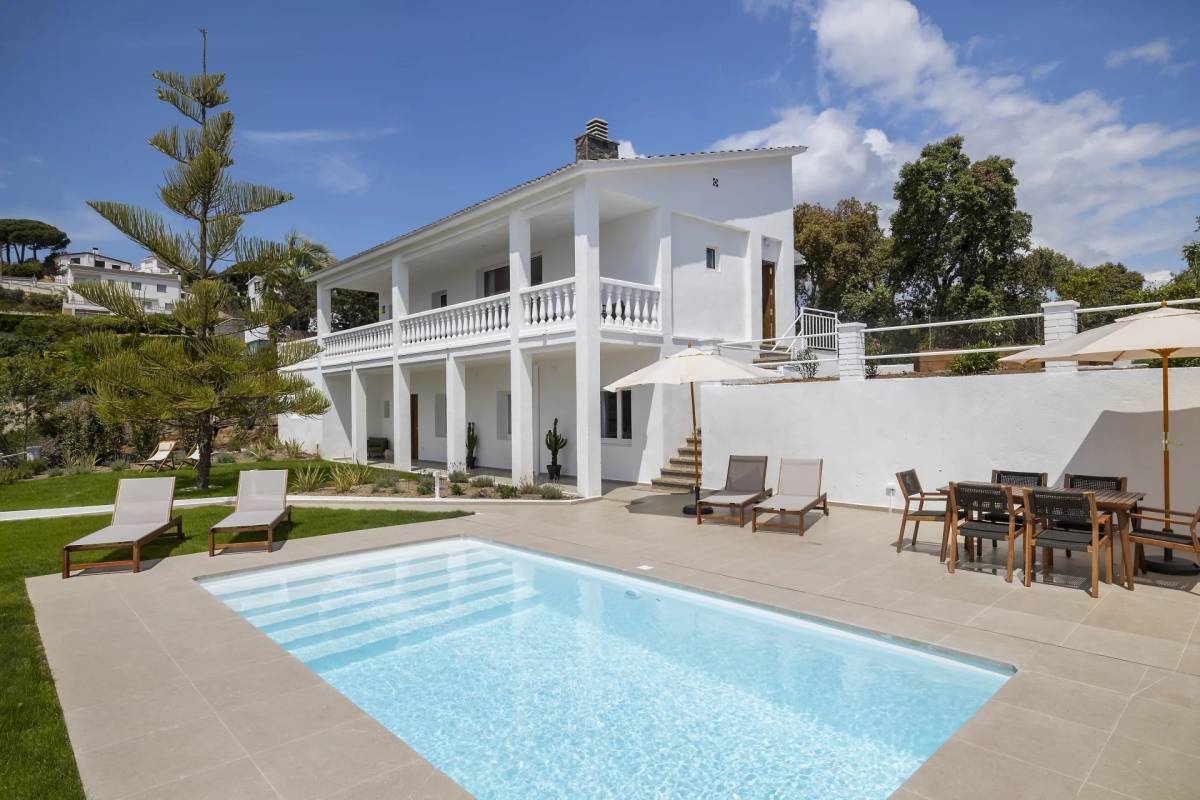
- Restored masia ready to move into: renovated installations, swimming pool and garden. This is the most convenient option and usually the one with the least planning uncertainty, provided the works carried out are documented.
- Masia to renovate: appealing for its potential, but it requires a detailed study of which works the regulations allow before buying, not afterwards.
- Estate with a masia and agricultural land: adds hectares of crops, woodland or vineyard. It involves reviewing current rural leases, easements and the actual use of the land.
- Masia in or next to a village: more services within walking distance and less isolation, in exchange for less land.
Planning: the question to resolve first
Most masias are located on non-developable land (rustic land). On this type of land, the general rule is restrictive: you cannot build or extend freely. The main route to renovating or converting a masia is its inclusion in the municipality’s catalogue of masies and rural houses, provided for in the Consolidated Text of the Catalan Urban Planning Act.
The catalogue of masies and rural houses
Each town council may approve a catalogue, as part of its urban plan or as a special plan, which identifies the masias and rural buildings that may be renovated and sets the permitted uses for each one (for example, residential use or rural tourism accommodation). The specific record sheet for the masia is the key document: it states what can be done, with what volume and under what conditions.
Before signing a reservation agreement, we recommend:
- Checking whether the masia appears in the municipal catalogue and obtaining its record sheet.
- Confirming that the intended uses (main residence, second home, rental) are compatible with that record sheet.
- Requesting a planning report or certificate of compatibility from the town council when a major renovation is envisaged.
Ancillary buildings: swimming pools, porches and outbuildings
It is common for a masia to have elements added over the years: swimming pools, enclosed porches, former livestock pens converted into living spaces, or guest houses. It is advisable to verify that each element has a licence or can no longer be subject to proceedings to restore planning compliance. At this stage, a building surveyor with experience of rustic land is the best investment in the entire process.
Water, utilities and access
In a masia, the invisible infrastructure matters as much as the architecture. These are the points we review on every viewing:
- Water: if the estate is supplied by a well, you must confirm that it is registered with the Agència Catalana de l'Aigua and know its flow rate. If there is a connection to the municipal mains, it is advisable to verify who holds the supply contract.
- Drainage: many masias are not connected to the sewerage network. Check the type of septic tank or treatment plant and its condition.
- Electricity and connectivity: the contracted power supply, the possibility of increasing it and fibre or satellite internet coverage are decisive if you plan to work remotely from the estate.
- Access: the entrance track must be passable all year round and, if it crosses neighbouring properties, there must be a registered right of way.
Land Registry, Cadastre and physical reality
With rural estates, it is common for the surface area recorded in the Land Registry, the area shown in the Cadastre and the actual area not to match. Before buying, compare the land registry extract (nota simple), the cadastral certificate and, if necessary, a topographical survey. Also review any charges, easements and rural leases that the buyer would be obliged to respect.
Remember too that, to transfer a home in Catalonia, a valid certificate of occupancy (cèdula d'habitabilitat) is generally required, and that the energy performance certificate is mandatory on sale.
Taxes and purchase costs
The purchase of a resale masia is subject to Property Transfer Tax (ITP). In Catalonia, the general rate is applied in bands according to the total value of the property, whether urban or rustic:
| Property value | Applicable rate |
|---|---|
| Up to €600,000 | 10% |
| From €600,000 to €900,000 | 11% on that band |
| From €900,000 to €1,500,000 | 12% on that band |
| Over €1,500,000 | 13% on that band |
Where the buyer is legally classed as a large-scale property holder, a specific rate of 20% applies. Notary and registry fees must be added to these amounts, together with agency administration and financing costs where applicable. If you are a non-resident, you will need an NIE, and it is advisable to obtain tax advice both in Spain and in your country of residence.
How to value a masia
The price of a masia depends less on its built area than on factors that are hard to replace: location and views, privacy, the quality of the restoration, planning certainty and the extent of the land. Two masias of similar size can have very different values if one is catalogued, with legalised works and a guaranteed water supply, and the other is not.
In the Empordà we work with masias of very different profiles, from four-bedroom country houses to large estates with more than ten bedrooms. This variety is precisely why we recommend comparing several properties against the same criteria before deciding.
Our advice for buying with confidence
- Define the use: main residence, second home or rental project.
- Request the masia catalogue record sheet and the documentation for any works carried out.
- Confirm water, drainage, electricity and access.
- Compare the Land Registry, the Cadastre and the physical reality.
- Calculate the total cost, including taxes and any potential renovation.
- Negotiate with all the information on the table.
Find your masia in the Empordà with BARNES
The BARNES Barcelona & Costa Brava team will accompany you in selecting masias for sale in Girona and the Empordà, in reviewing the documentation and in negotiating. If you are looking for a masia, contact our Costa Brava office to receive a personalised selection. If you are an owner considering selling, request a confidential valuation of your property.
Frequently asked questions about buying a masia
Can a masia on non-developable land be extended?
It depends on the masia’s record sheet in the municipal catalogue of masies and rural houses, which sets the permitted uses and works. Without that record sheet, the scope for extension on non-developable land is very limited.
What taxes are payable when buying a masia in Catalonia?
If it is a resale property, ITP, at a rate of 10% up to €600,000 and progressive rates of 11%, 12% and 13% on the higher bands. Notary and registry fees are added.
Can a foreign buyer purchase a masia?
Yes. You will need an NIE and a Spanish bank account, and it is advisable to obtain independent legal and tax advice.
Is the Alt or the Baix Empordà better for buying a masia?
The Baix Empordà offers greater proximity to the coast and to villages such as Pals or Peratallada. The Alt Empordà tends to offer larger estates and a more open landscape. The choice depends on the use and the lifestyle you are seeking.
What is the catalogue of masies and rural houses?
It is a municipal planning instrument that identifies the masias that may be renovated on non-developable land and the uses permitted for each one.
Comments (0)

No comments, be the first to react to this article!