Luxury apartments in Barcelona: neighbourhoods, property types and buying tips

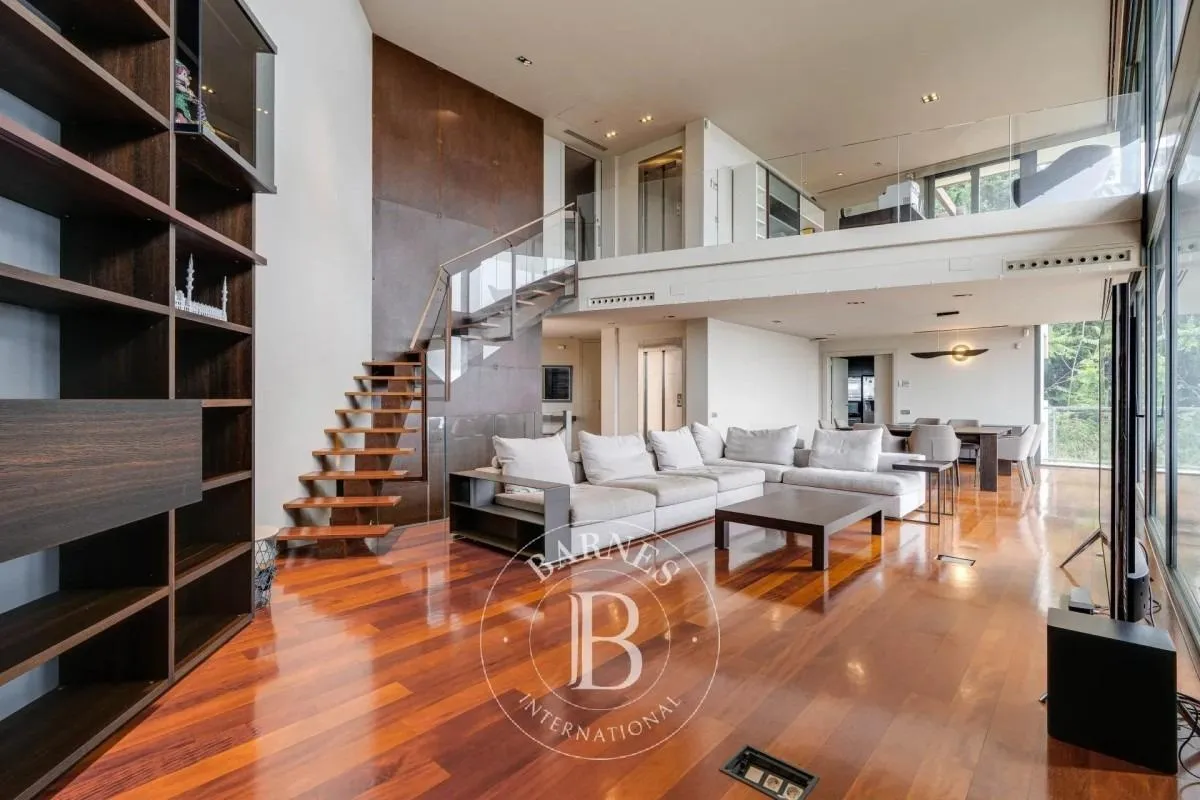
A luxury apartment in Barcelona is not defined by its price or its floor area alone, but by the combination of location, architectural quality, light, privacy and the services of the building. The strongest options are concentrated in the Eixample, in the upper part of the city (Sarrià-Sant Gervasi and Pedralbes), in the old town and along the seafront, and a significant share of the market moves discreetly, without a public listing. This guide explains how to find your way around the neighbourhoods and property types, what to check before buying and how to gain access to the best opportunities.
What sets a luxury apartment in Barcelona apart
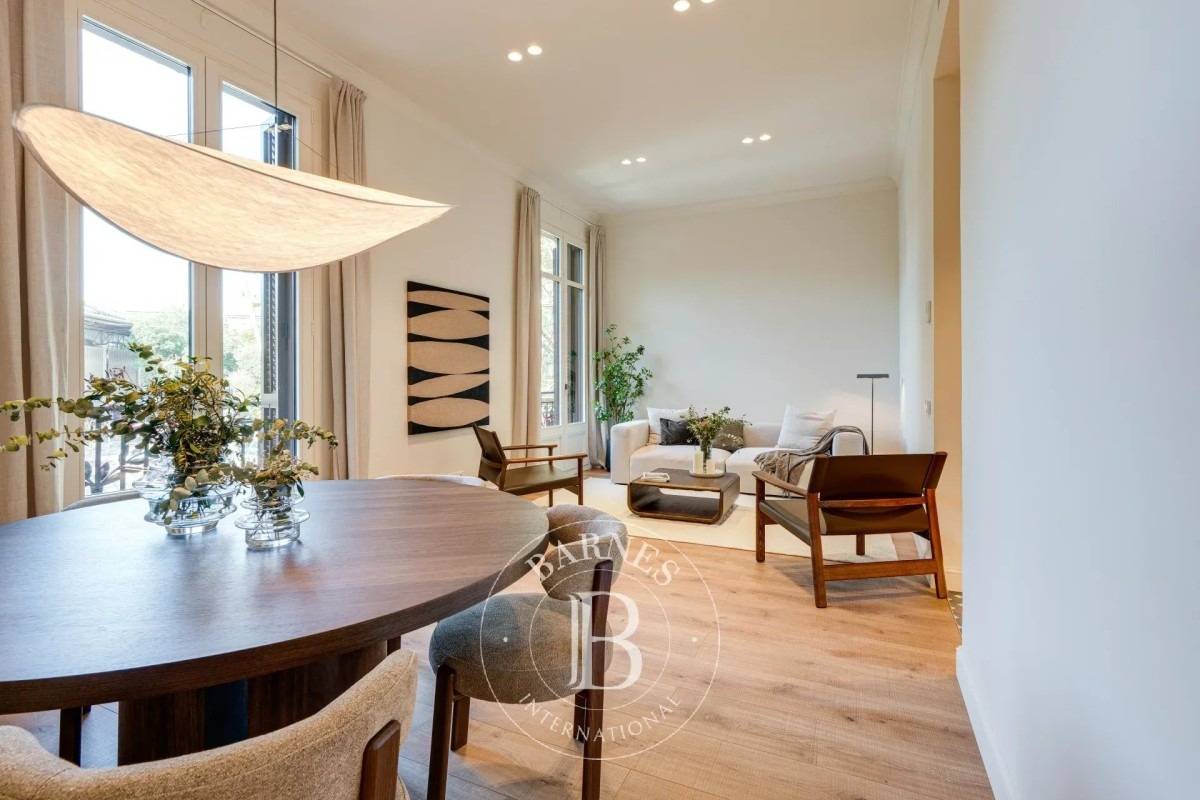
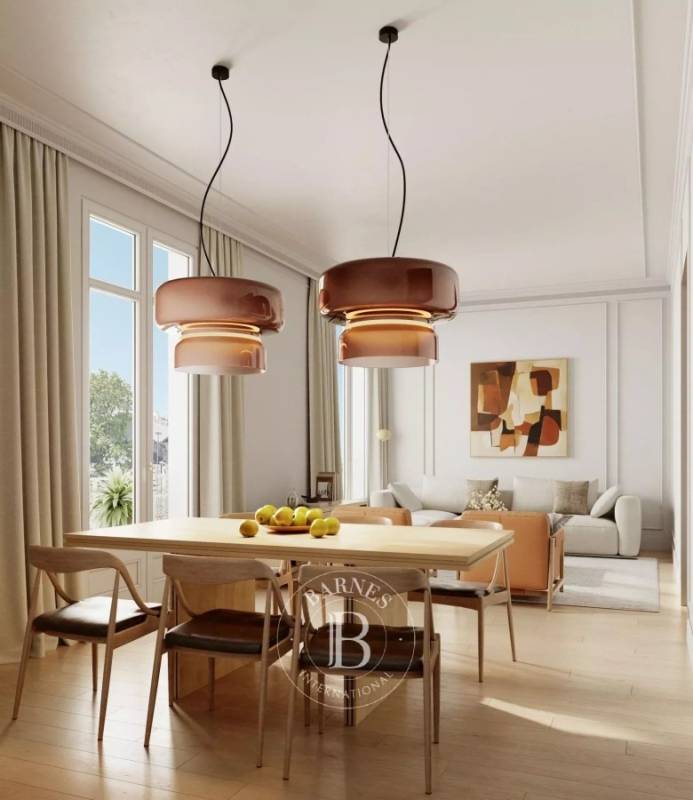
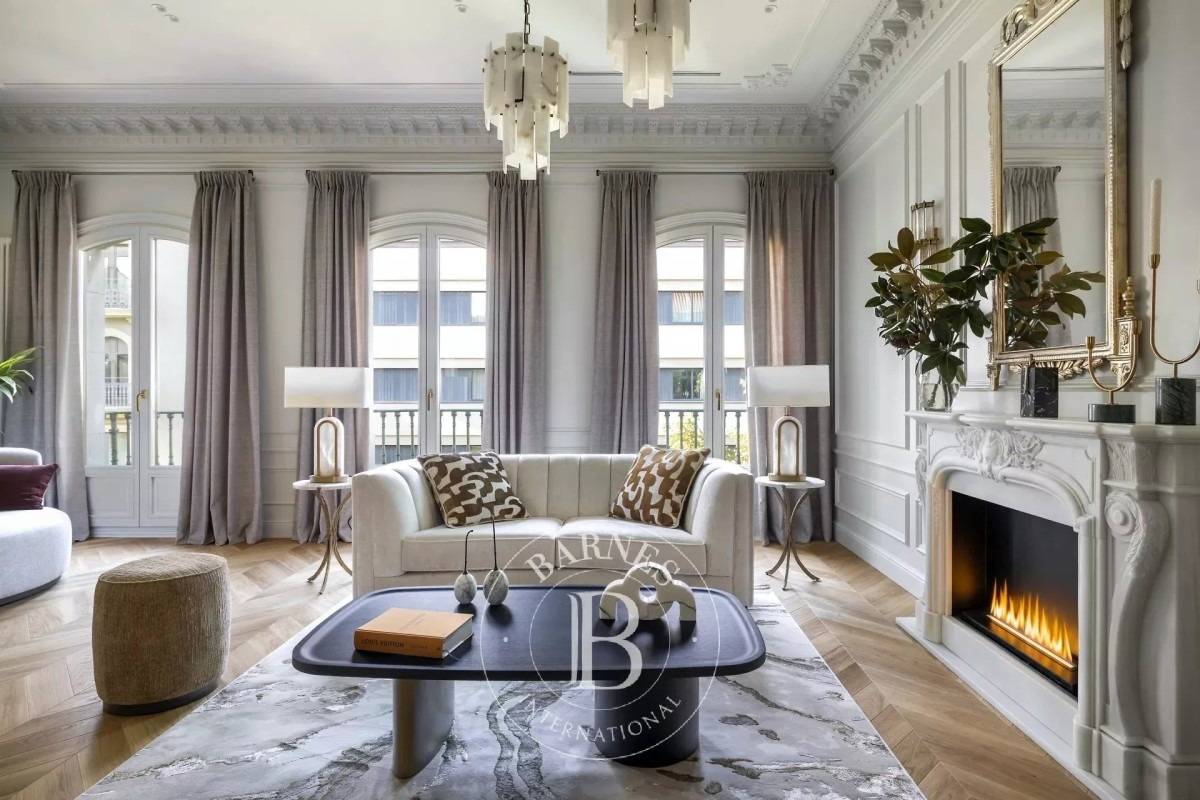
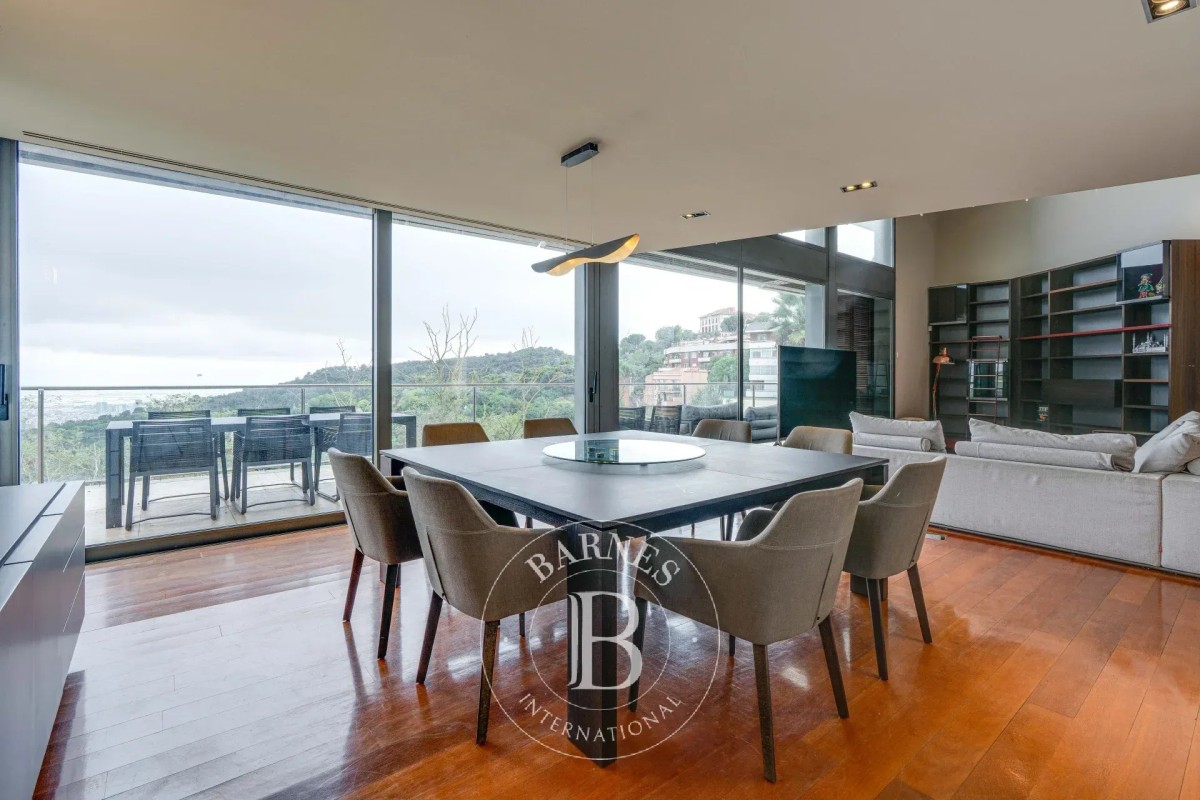
Discerning buyers tend to weigh four things, in this order. The first is location: a quiet, well-connected street with services within walking distance counts for more than any finish. The second is architecture: high ceilings, original hydraulic tiles, glazed galleries and period façades in the historic buildings, or large glazed surfaces and terraces in contemporary developments. The third is light and views, particularly decisive in a compact city such as Barcelona. The fourth is the building: concierge, lift, parking, communal areas and the overall condition of the community of owners.
To this must be added a factor specific to the Barcelona market: scarcity. Distinctive properties are few, and those that combine good orientation, good condition and an established location rarely stay in view for long.
Neighbourhoods for buying a luxury apartment in Barcelona
Eixample and Passeig de Gràcia: the Modernista period apartment
This is the classic territory of the Barcelona grand apartment. The period buildings of the Eixample, many of them from the Modernista era, offer generous floor plans, continuous balconies and decorative elements that are now almost impossible to reproduce. If this profile appeals to you, you will find a detailed analysis in our guide to apartments in Barcelona's Eixample.
Sarrià-Sant Gervasi and Pedralbes: the upper city
Greener, quieter and with a well-established offer of international schools, the upper city appeals to families and to buyers who prioritise outdoor space. Apartments with terraces, duplexes and houses with gardens sit side by side here, with a calm neighbourhood life a few minutes from the centre. To compare areas in more detail, see our selection of the best neighbourhoods in Barcelona to live in.
Ciutat Vella: character and heritage
El Born, the Gothic Quarter and their surroundings attract those looking for historic buildings, architect-designed renovations and an intense urban life. These are homes with great personality, often with exposed beams, vaulted ceilings or inner courtyards, and they call for particular attention to the condition of the building and to its protection rules.
The seafront: Barceloneta, Port Olímpic and Poblenou
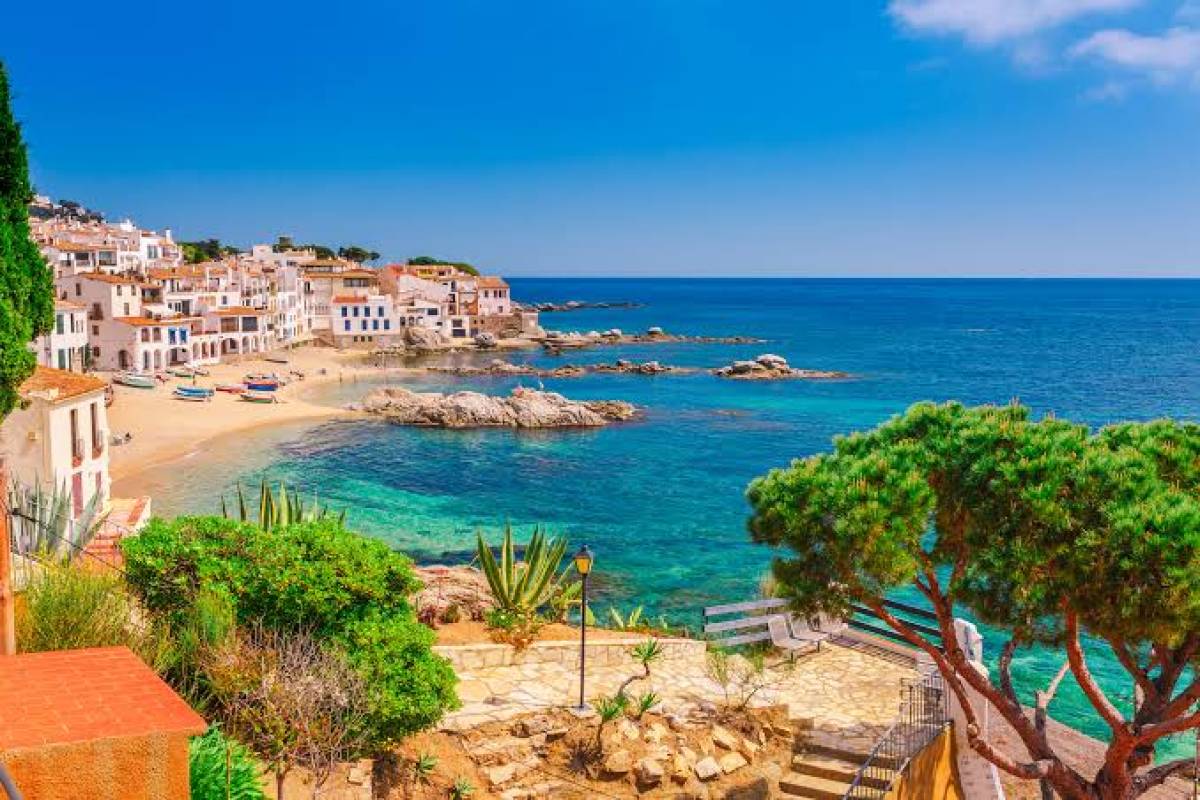
The waterfront has gained weight in recent years as a Mediterranean lifestyle option, with sea views and access to the beach and the marinas. It is an interesting alternative for those who want a contemporary home and an everyday relationship with the sea without leaving the city.
Property types: period apartment, penthouse, duplex and new build
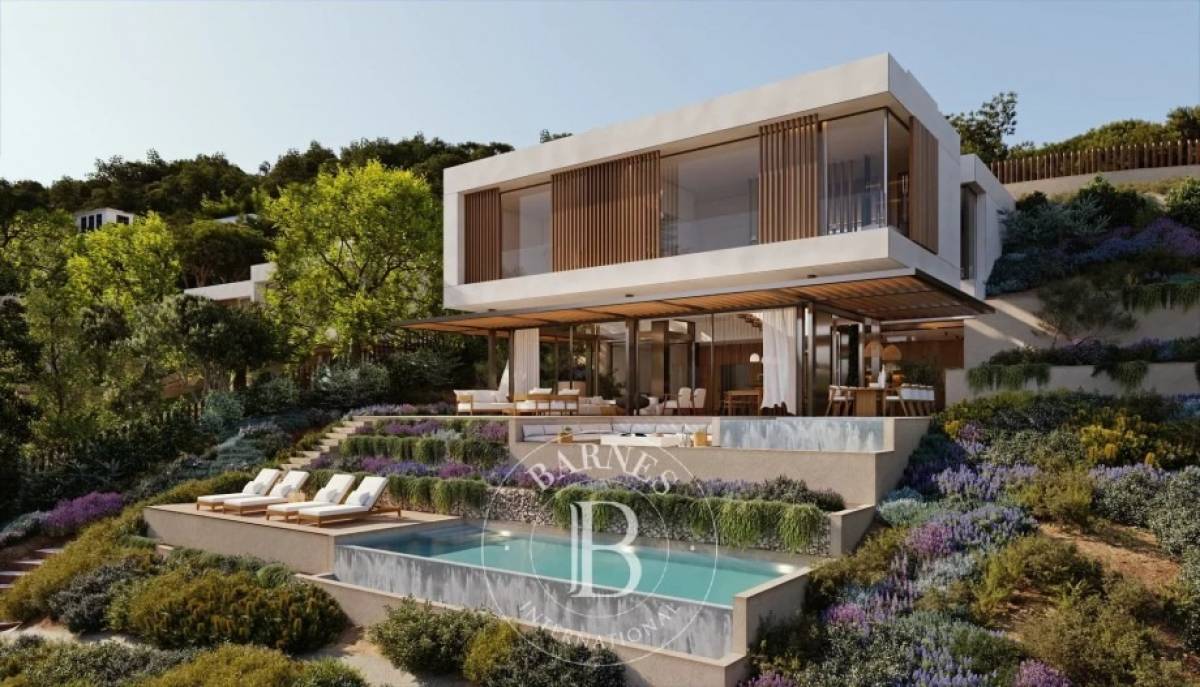
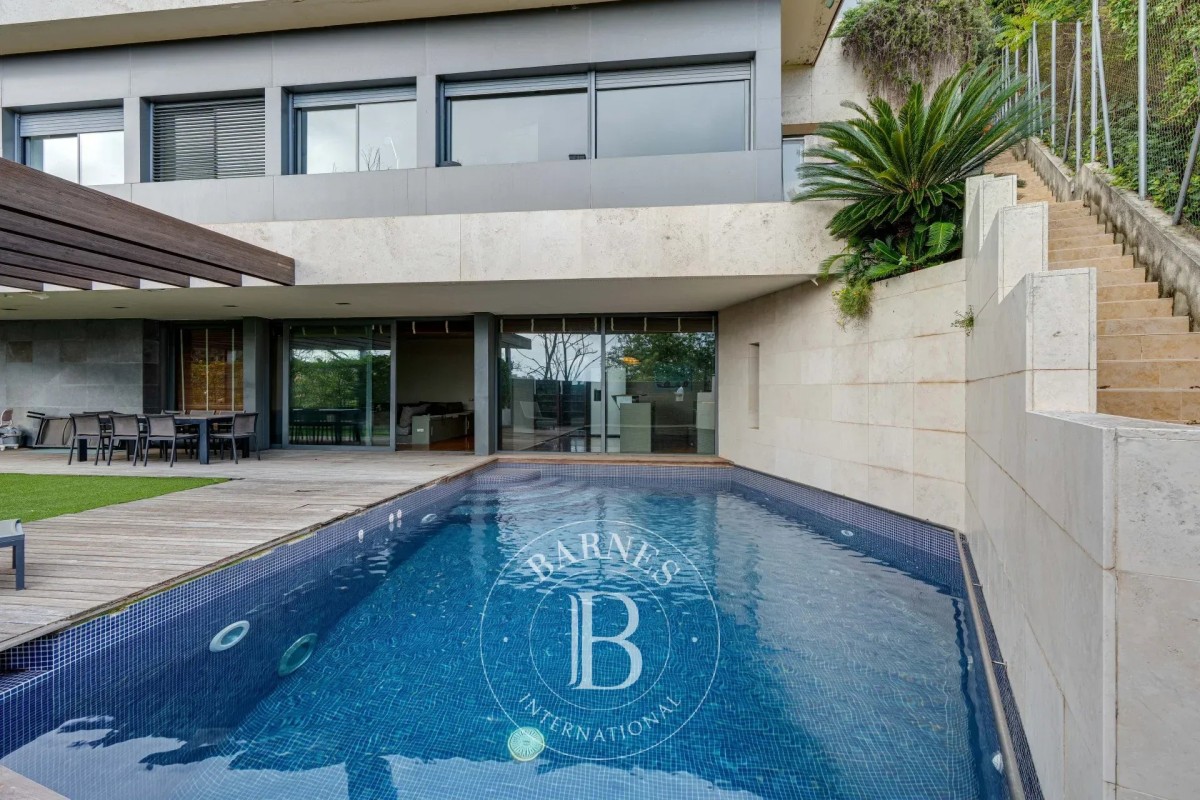
The luxury market in Barcelona divides into four main families. The period apartment brings character and history. The penthouse offers terrace, light and privacy, and is one of the most sought-after types; we look at it in our guide to luxury penthouses in Barcelona. The duplex allows day and night areas to be separated on a scale closer to that of a house. And new build offers up-to-date installations, energy efficiency and shared services, at the cost of fewer options in the most established areas.
What to check before buying
A good purchase is built on a good review. These are the points worth checking with professional advice:
- Land registry position: the "nota simple" from the Property Registry confirms who the owner is and whether there are charges, mortgages or restrictions.
- Condition of the building and the community: recent minutes, approved or planned special levies and the results of technical building inspections.
- Documentation for the home: certificate of habitability, energy performance certificate and consistency between the registered and the actual floor area.
- Renovations and licences: in renovated homes, that the works carry the relevant permits.
- Use and regulations: in protected buildings or those with specific uses, which interventions are permitted.
If the property is a period home, an independent surveyor can assess the installations, the structure and any refurbishment needs before the deal is closed.
How the purchase process works
Once the property has been identified, the process usually begins with an offer and a reservation, followed by the signing of a deposit contract (contrato de arras) that sets out the conditions and timeframes. Before the deed is signed before a notary, the documentation and the land registry position are reviewed, and tax formalities and, where relevant, financing are coordinated. Having a lawyer, a tax adviser and an agency that coordinates every step from the outset shortens timelines and avoids surprises, above all when the buyer lives outside Spain.
The private market: why not everything is on show
A significant part of the city's most exclusive homes is marketed discreetly, among a small circle of qualified buyers. Owners value confidentiality, and the buyers who reach this market do so through trusted agencies. Working with an office that has a local presence and an international network makes it possible to learn of these opportunities before they reach the property portals. If you would like to see what is available now, you can browse our selection of properties for sale in Barcelona.
If you are an owner: how a prime property is valued
The price of a distinctive property cannot be deduced from an average per square metre. The exact location, orientation, views, condition, quality of materials and the specific demand of the moment all play a part. We have explained these factors in how a prime property is valued. If you are thinking of selling, you can request a confidential valuation of your home.
Frequently asked questions
Which neighbourhoods are best for buying a luxury apartment in Barcelona?
It depends on your lifestyle. The Eixample and Passeig de Gràcia are the most sought-after for grand period apartments and city living; Sarrià-Sant Gervasi and Pedralbes for those who put tranquillity, greenery and schools first; Ciutat Vella for historic character; and the seafront for a life by the sea.
Can a foreigner buy an apartment in Barcelona?
Yes. Non-residents may buy property in Spain. To complete the purchase you will need, among other formalities, a foreigner's identification number (NIE). It is advisable to have legal and tax advice from the outset.
What taxes are paid when buying a home in Catalonia?
In general, a resale home is subject to transfer tax (ITP), while a new build is subject to VAT and stamp duty (Impuesto de Actos Jurídicos Documentados). The applicable rates are set by current legislation, so we recommend confirming them with the Catalan Tax Agency (atc.gencat.cat) before completing the purchase.
Is it possible to buy a luxury apartment that is not advertised?
Yes. Part of the market is handled privately. An agency with a good local network can tell you about properties that have not yet been published, always with the owners' consent.
Speak to BARNES Barcelona
At BARNES Barcelona we accompany buyers and owners with discretion and knowledge of the local and international market. If you are looking for a luxury apartment in Barcelona or would like to know the value of your property, contact our office or request a confidential valuation.
Comments (0)

No comments, be the first to react to this article!