The best neighbourhoods in Barcelona to live in: a guide for discerning buyers

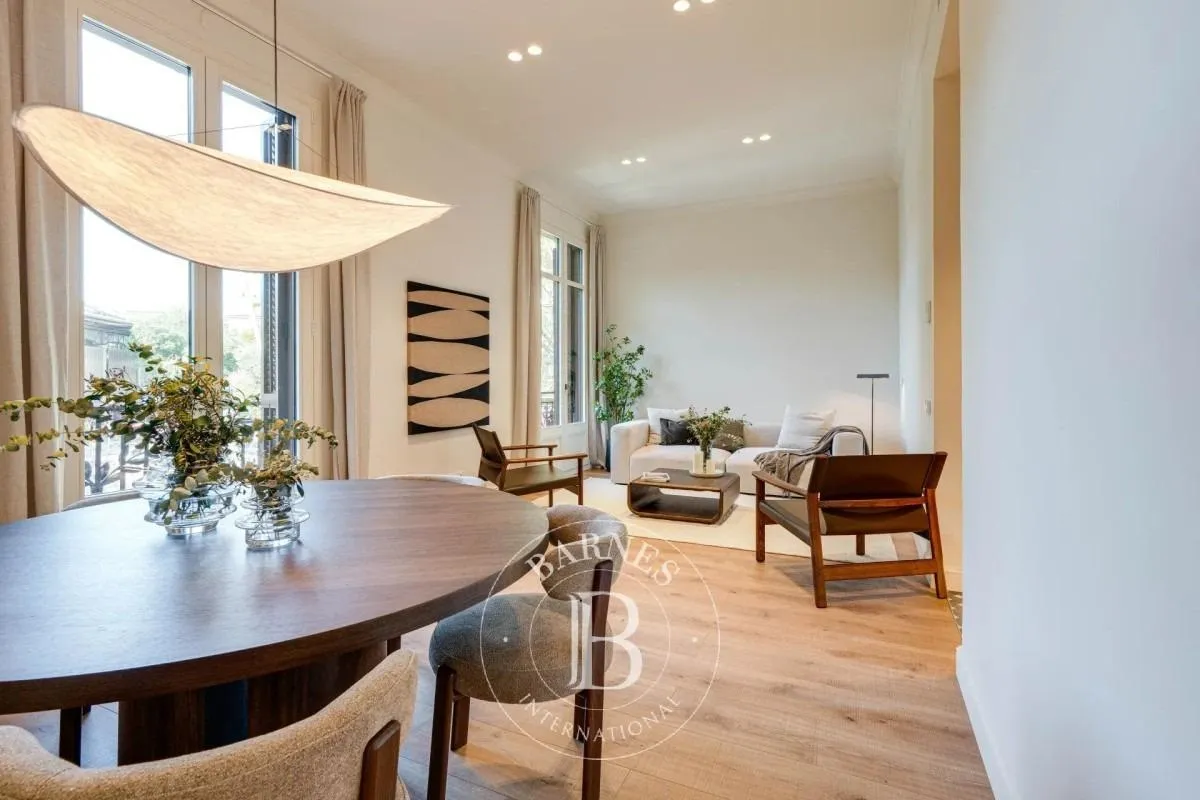
Barcelona does not have a single "best neighbourhood", but several that suit very different ways of living. Those who want classic elegance and every service on foot usually choose the Eixample; those who put space, gardens and schools first, the Zona Alta; those who want neighbourhood life and culture, Gràcia or the Born; and those who prefer light and sea, the Sant Martí waterfront. This BARNES Barcelona guide organises the neighbourhoods by the lifestyle they offer, rather than by an arbitrary ranking.
How to choose a neighbourhood in Barcelona: four criteria that matter
The city is divided into ten districts and 73 neighbourhoods, and the character of each differs markedly even though the distances are short. Before comparing areas, it is worth settling four questions.
Type of property
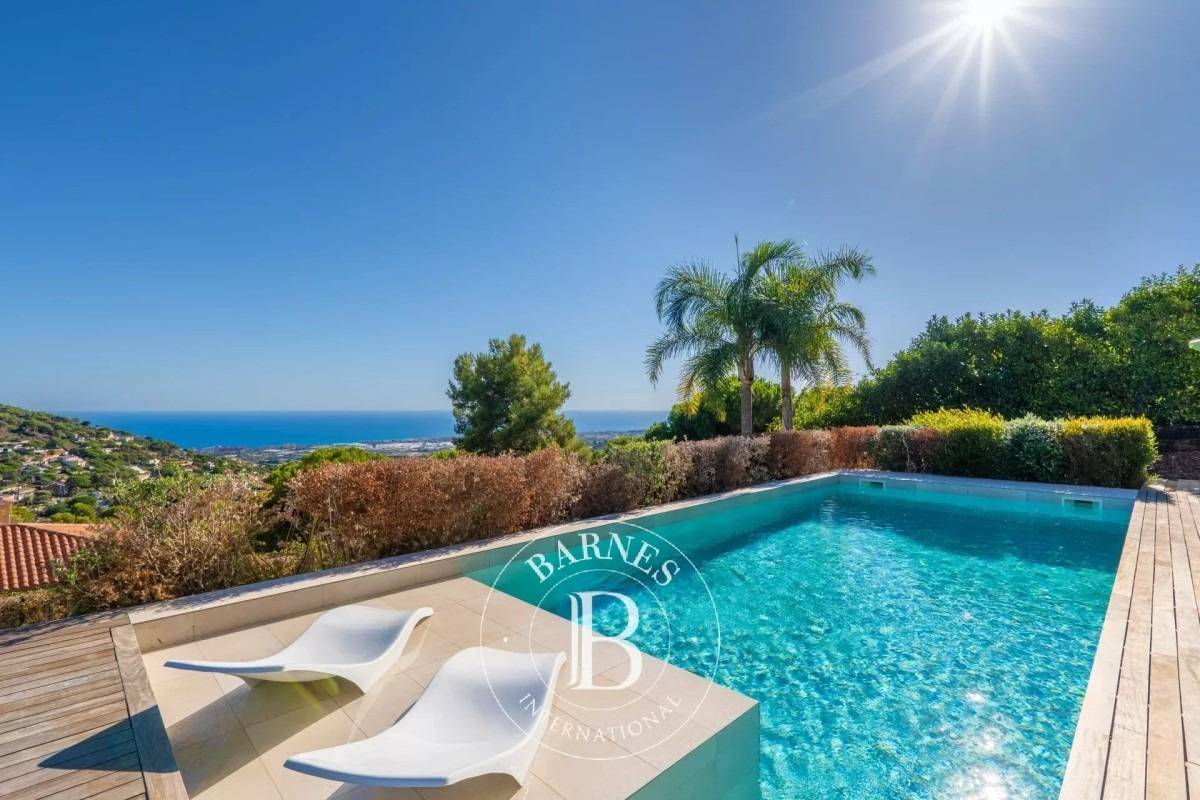
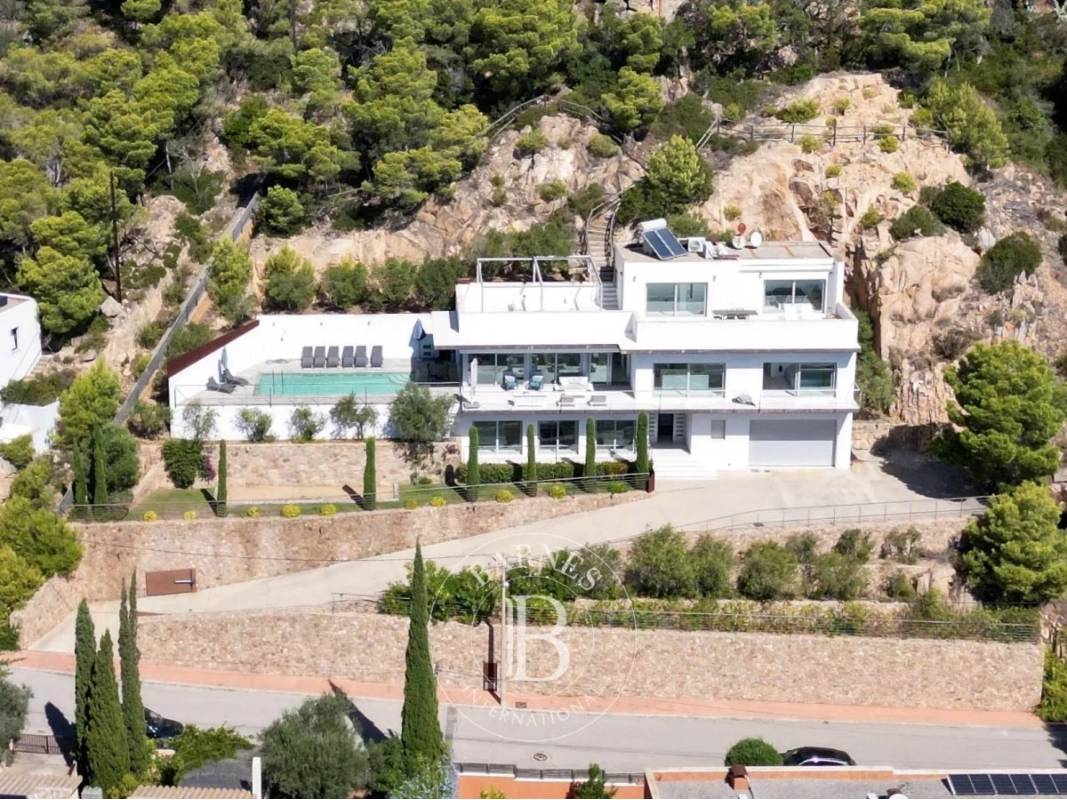
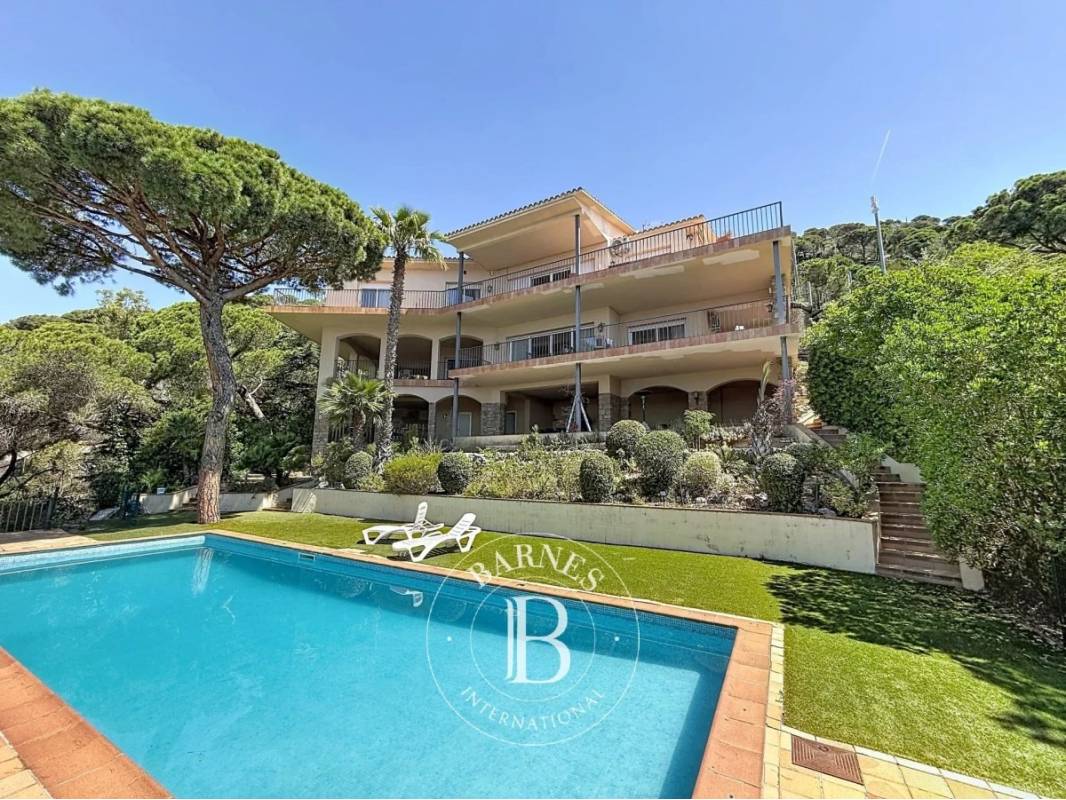
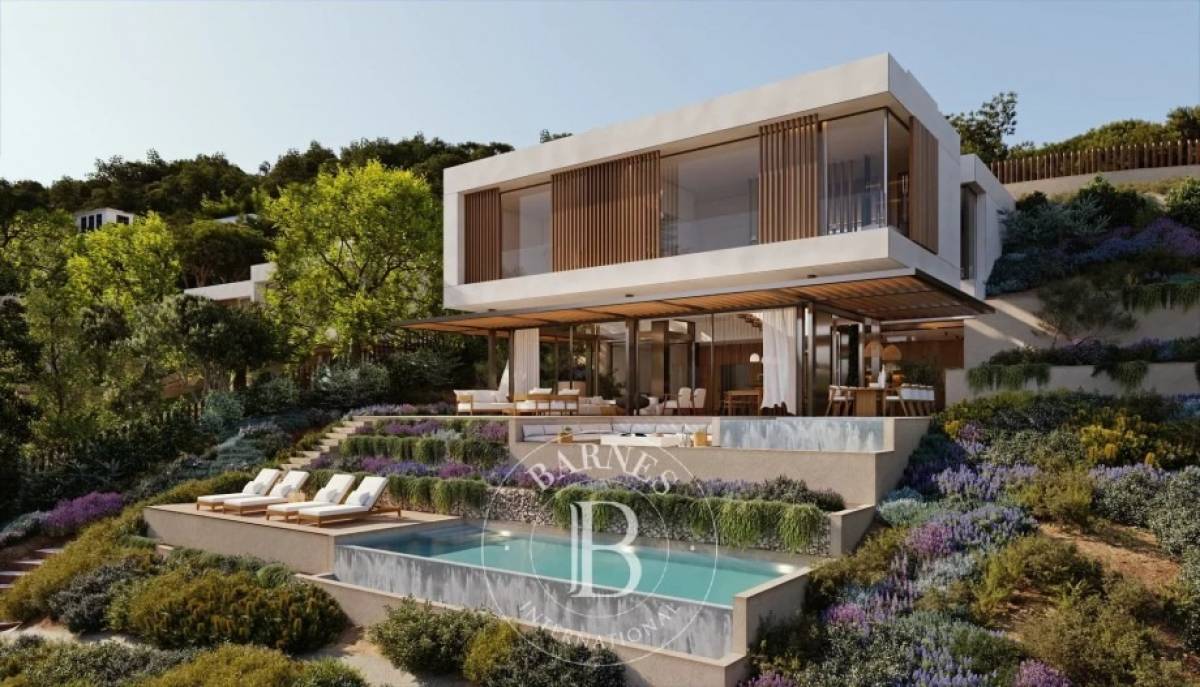
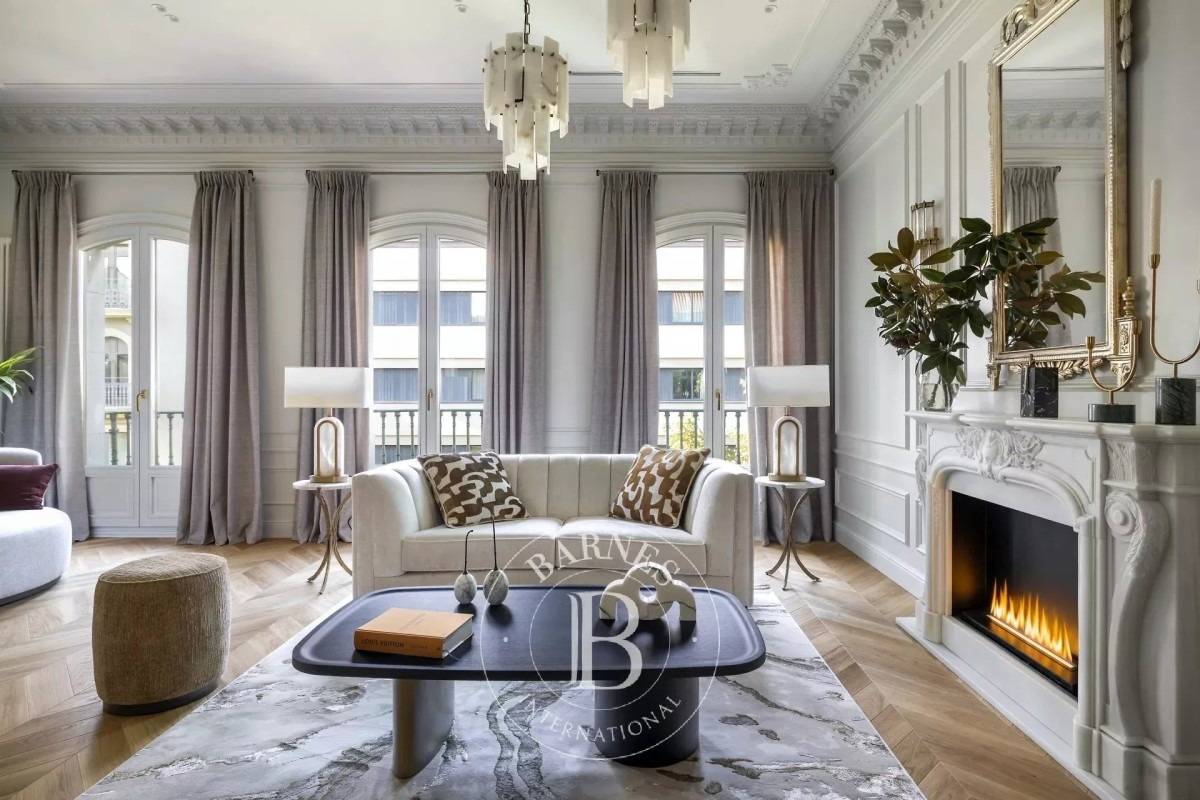
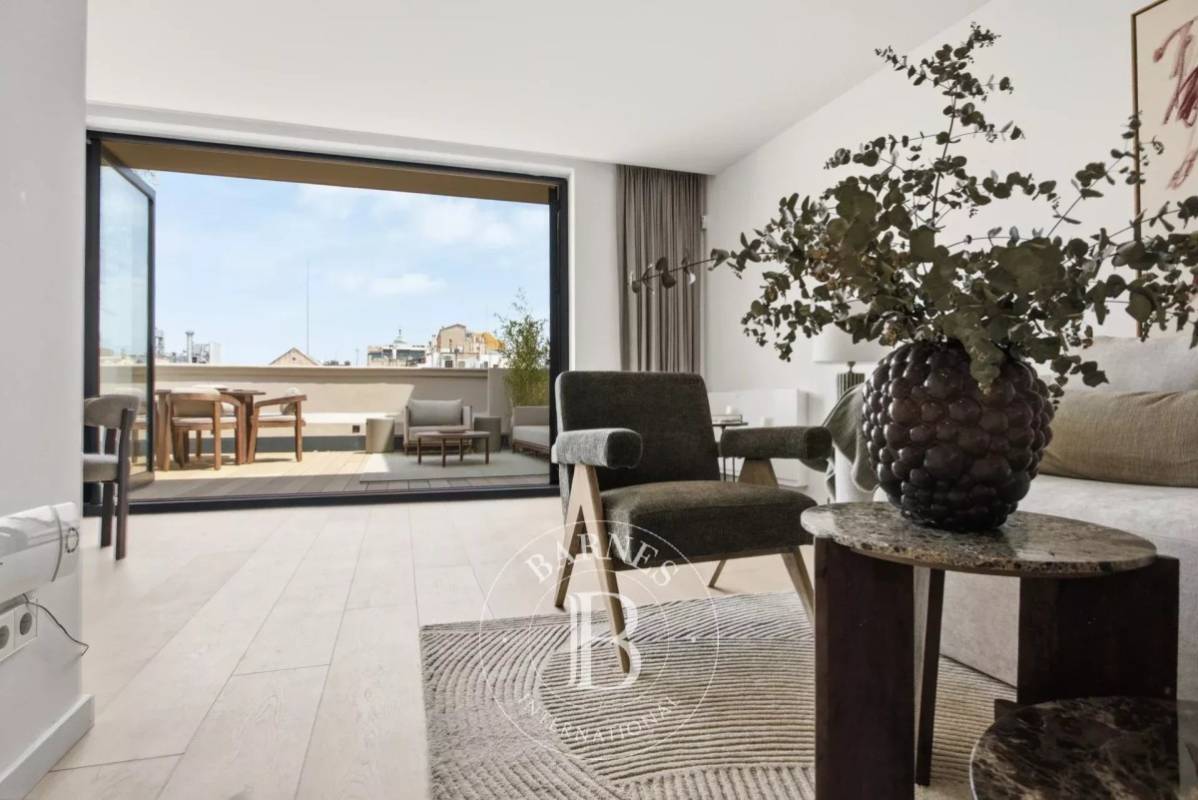
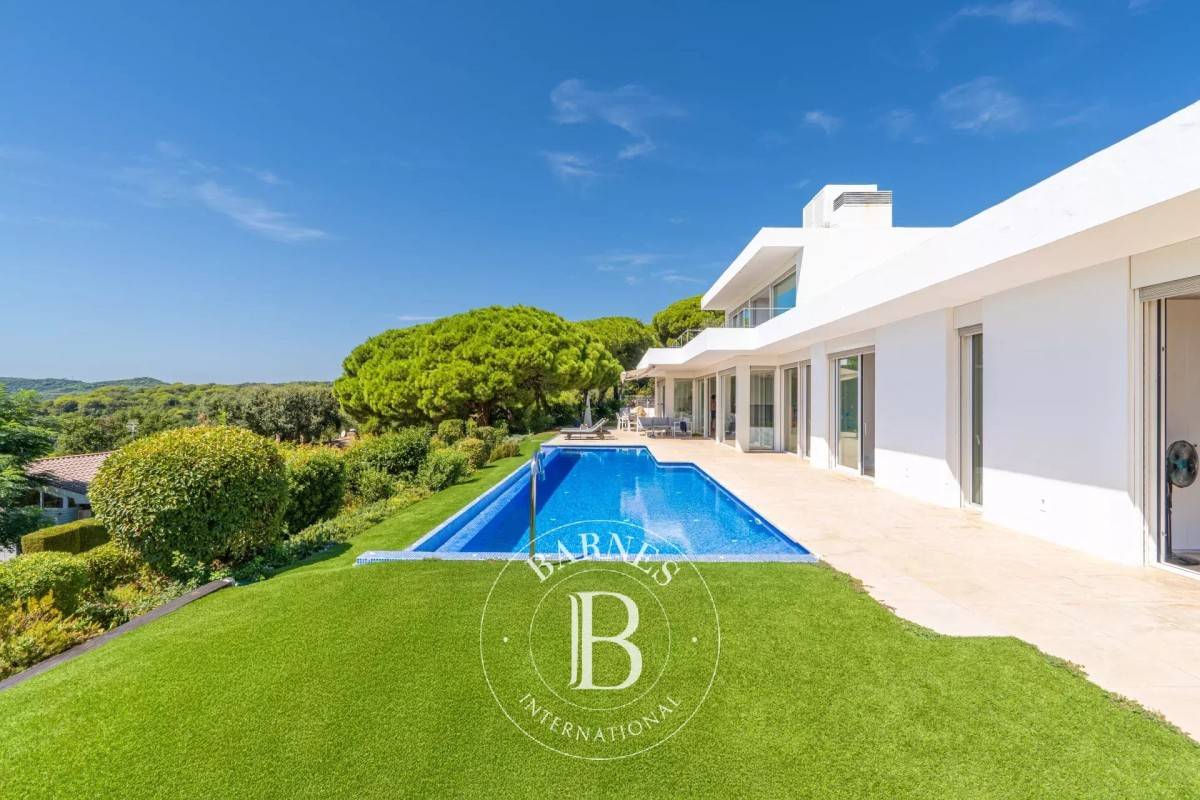
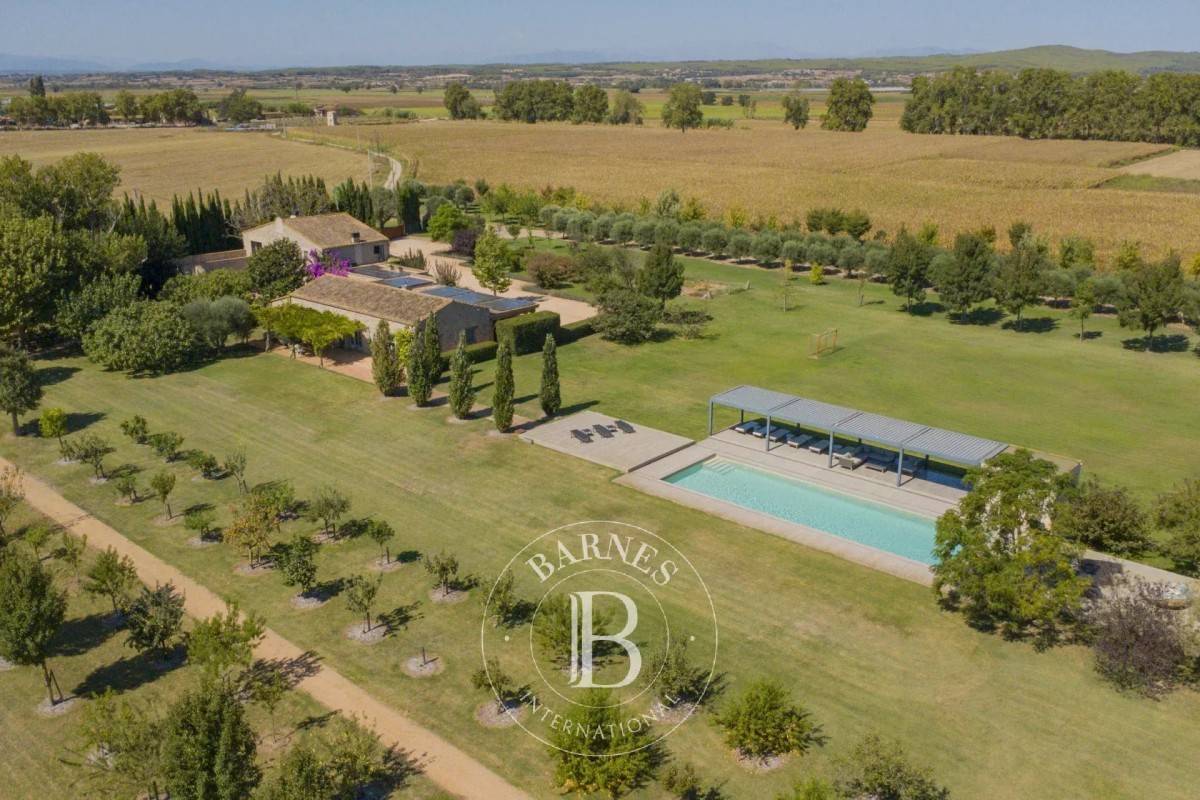
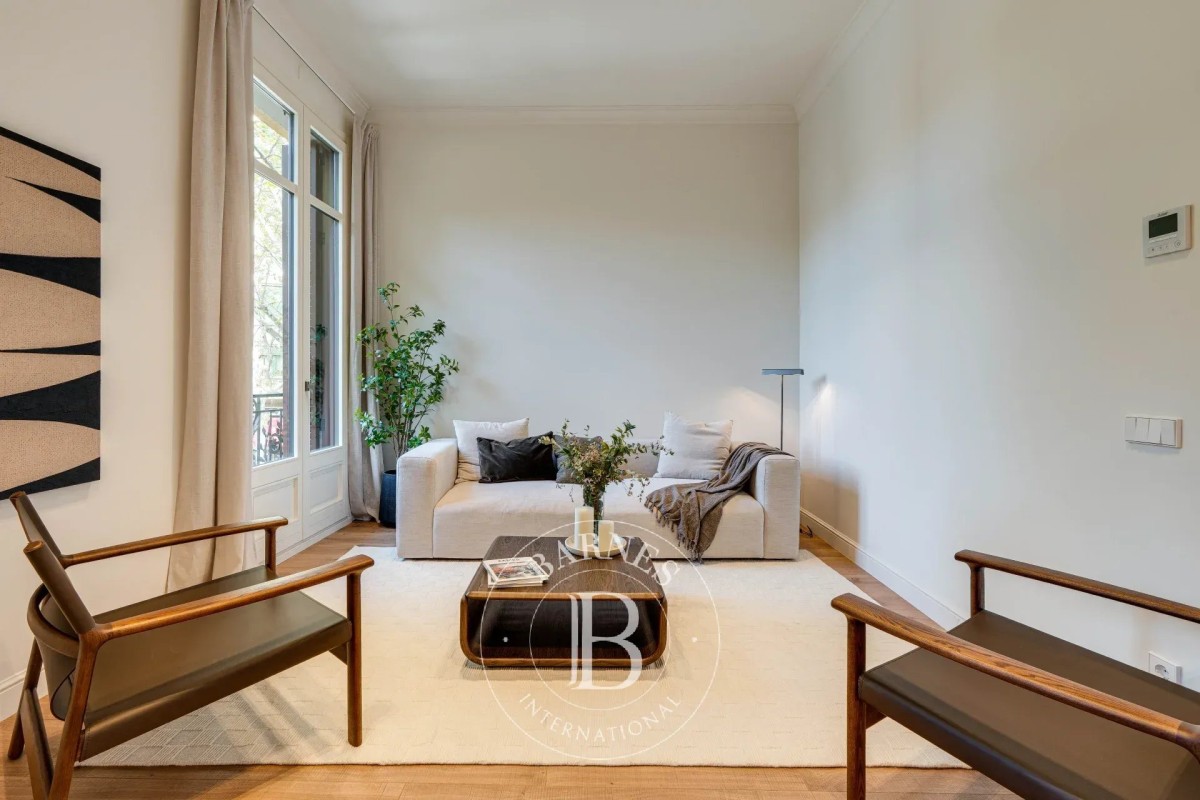
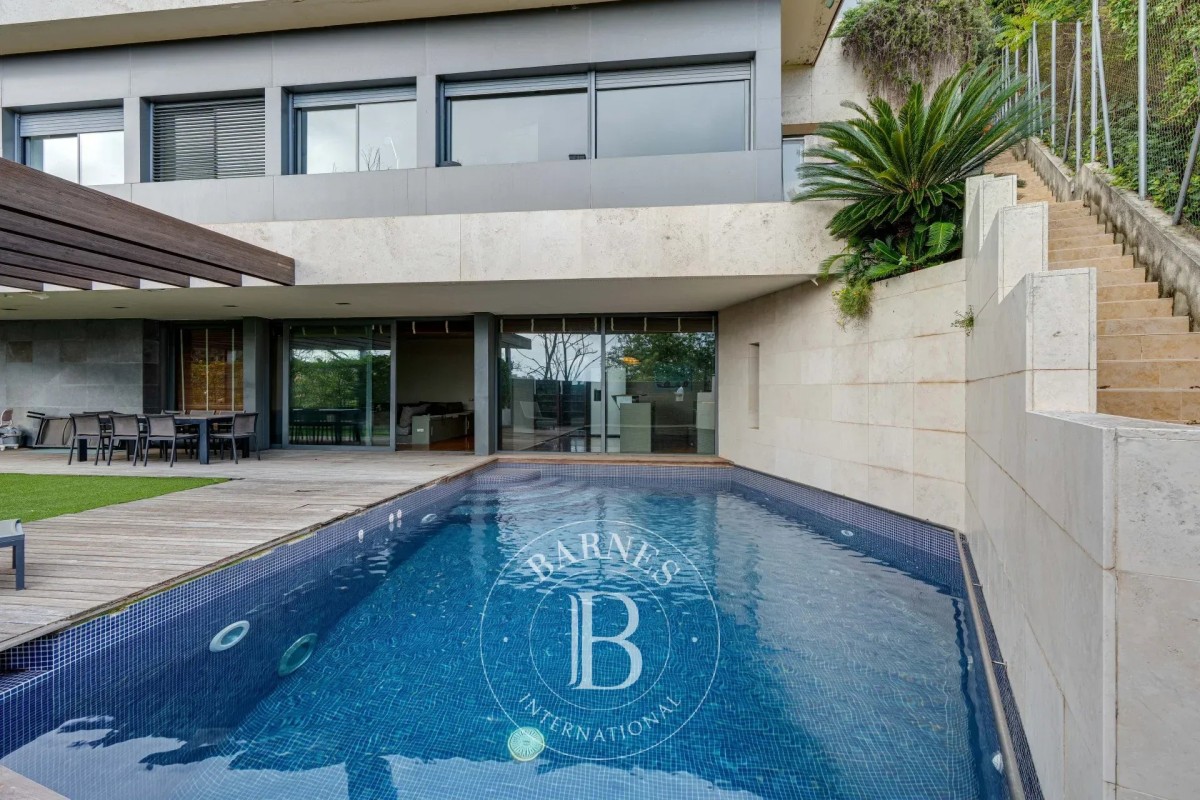
The centre and the Eixample offer mainly period apartments with high ceilings and balconies; the Zona Alta combines spacious flats with detached houses and gardens. If your priority is a house with a terrace or swimming pool, the search narrows to a handful of neighbourhoods.
Getting around and daily routine
Think about the journey to work, to El Prat airport and to school. Metro lines, the Ferrocarrils de la Generalitat and the ring roads shape daily life more than distance in kilometres.
Surroundings and services
Local shops, restaurants, sports clubs, parks and health centres define quality of life. Some neighbourhoods are very complete on foot, while others are designed around the car.
Investment horizon
Buying to live in a home and buying to preserve wealth are not the same thing. Established neighbourhoods offer stability; those in transformation, such as the Sant Martí waterfront, offer a different kind of opportunity.
Eixample: elegant and practical Barcelona
Conceived by Ildefons Cerdà in the mid-nineteenth century, the Eixample is the city's great grid and its most versatile residential area. The Dreta de l'Eixample, around the Passeig de Gràcia and buildings such as Casa Batlló and Casa Milà, concentrates luxury retail and Modernista buildings. The Antiga Esquerra, more residential and quieter, appeals to families and professionals who value neighbourhood life, with restaurants and shops on the doorstep.
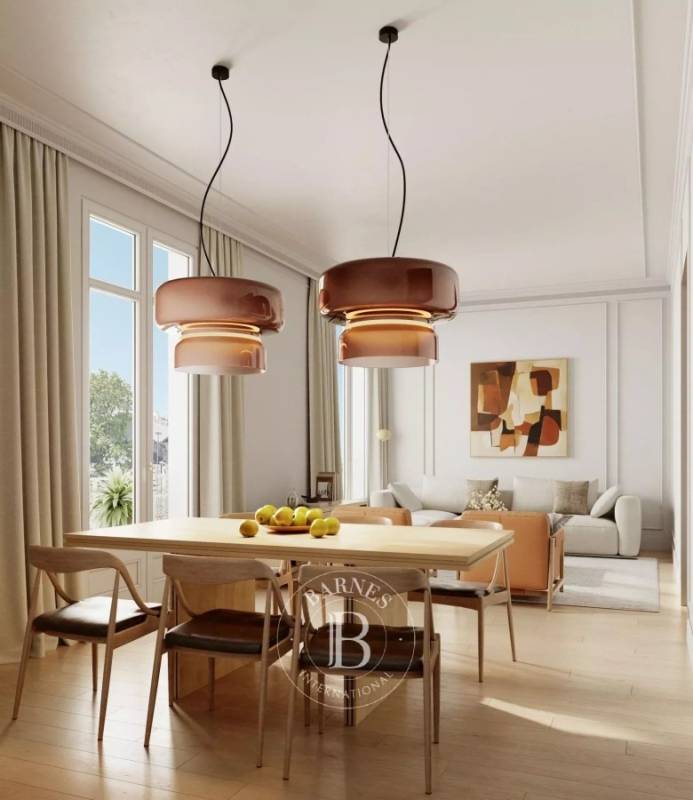
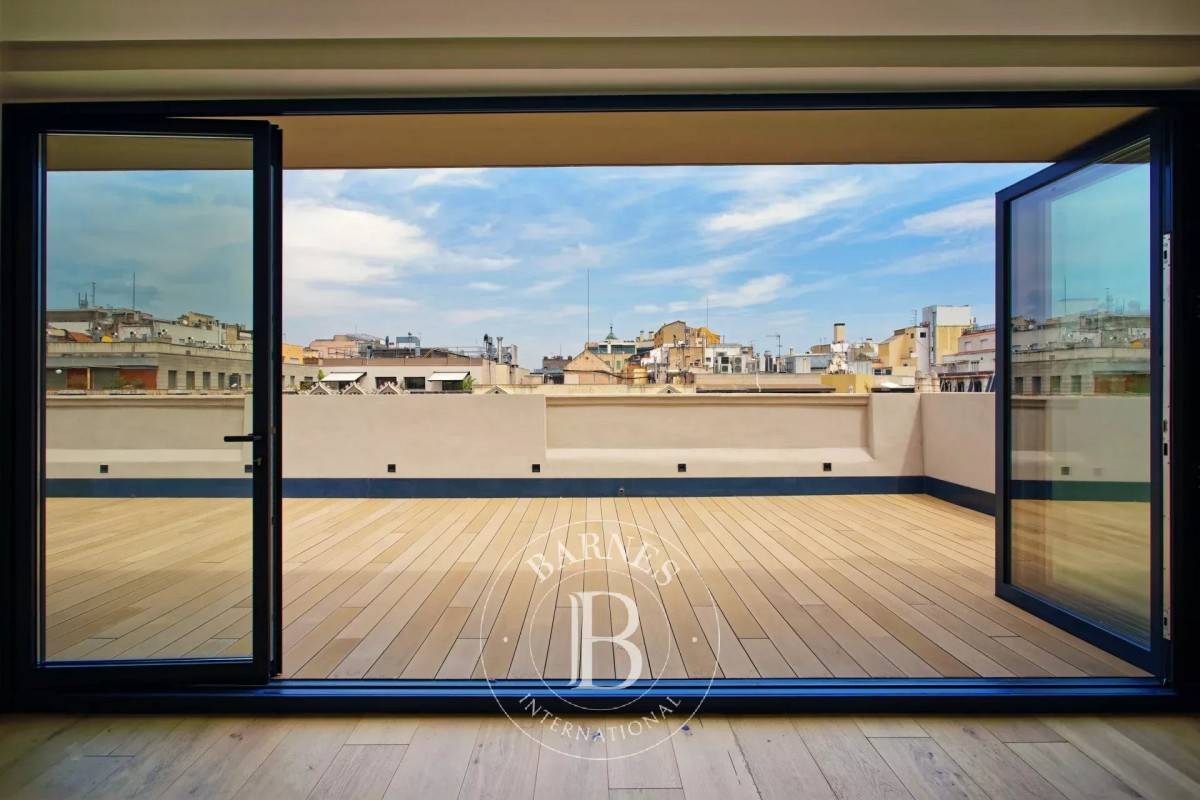
Period buildings, with their hydraulic-tile floors, mouldings and high ceilings, are the most sought-after product. To go deeper, our guide to apartments in the Eixample explains what to check before buying a period property, and our guide to luxury penthouses in Barcelona sets out the key points for those looking for a terrace and views.
Sarrià-Sant Gervasi: the residential Zona Alta
The Sarrià-Sant Gervasi district brings together neighbourhoods of varied character: Sarrià, with its village feel; Sant Gervasi-Galvany and Sant Gervasi-la Bonanova, more urban; Les Tres Torres, with its houses and gardens; and Vallvidrera, Tibidabo and les Planes, at the gates of the Collserola hills. It is the preferred area for many families thanks to its calm, its tree-lined streets and its proximity to schools, including several international ones.
The connection to the centre is good thanks to the Ferrocarrils de la Generalitat and the ring roads, and the air of Collserola is only minutes away. If your decision depends on your children's school, see our guide to international schools in Barcelona, which matches each school with the most convenient residential areas.
Pedralbes and Les Corts: space, quiet and gardens
Pedralbes belongs administratively to the Les Corts district and shares the Zona Alta's residential profile: wide avenues, detached houses, private gardens and a very discreet atmosphere, with the Royal Monastery of Pedralbes as its historic landmark. It is one of the areas most sought after by international buyers who want privacy without leaving the city. If you are torn between Pedralbes and Sarrià, you will find a detailed comparison in Pedralbes or Sarrià: which area best suits your lifestyle.
Gràcia and the Born: neighbourhood life and culture
Gràcia has kept the identity of a former town: pedestrian squares such as the Plaça del Sol, independent shops, theatres and an intense cultural life, with its Festa Major de Gràcia every August. Its homes are more modest in size, but highly sought after by those who want atmosphere and life on foot.
The Born and the Gothic Quarter, in Ciutat Vella, offer restored historic buildings, galleries, restaurants and an unbeatable location by the sea. It is a more urban profile, appreciated as a second home or pied-à-terre. The Barceloneta and the Port Vell, with the Marina Port Vell designed for larger vessels, appeal to those who combine city life with a nautical lifestyle.
Sant Martí: Poblenou and the seafront
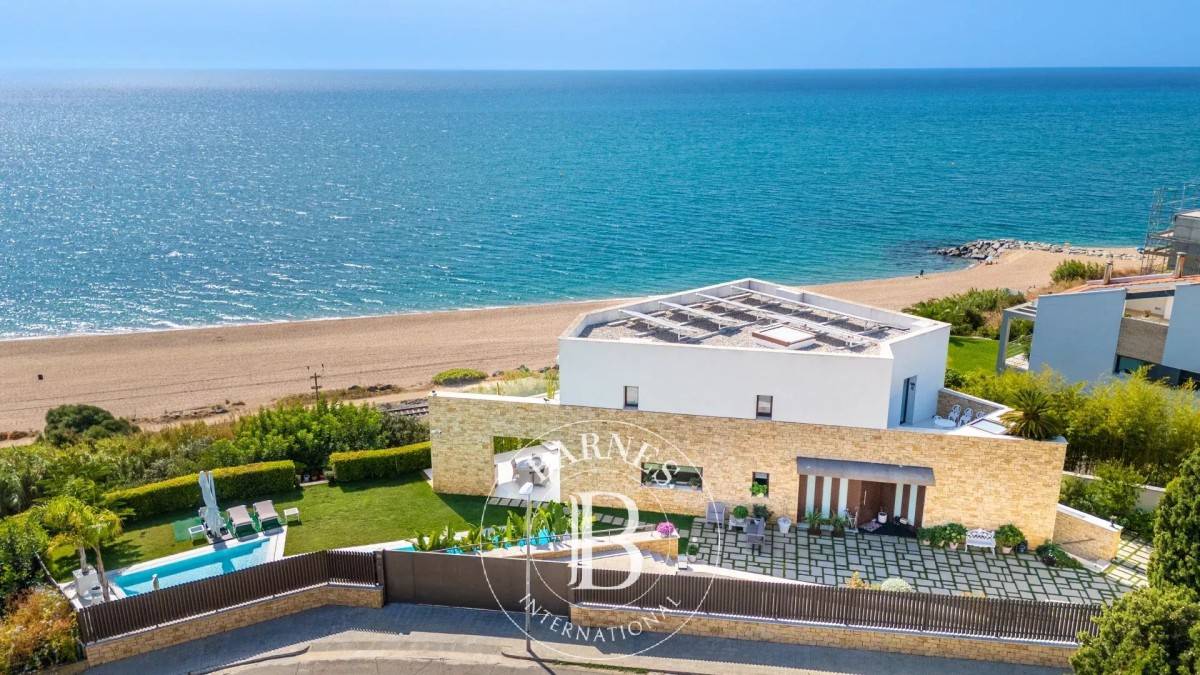
The former industrial district of Poblenou has become an area of contemporary architecture and creative studios, with the Rambla del Poblenou and the 22@ technology district. Further north, Diagonal Mar and the Parc del Fòrum offer modern towers with views of the Mediterranean, and the beaches of Bogatell and Mar Bella are a few steps away. It is the most common choice for those who want a modern home with light, terraces and direct access to the sea.
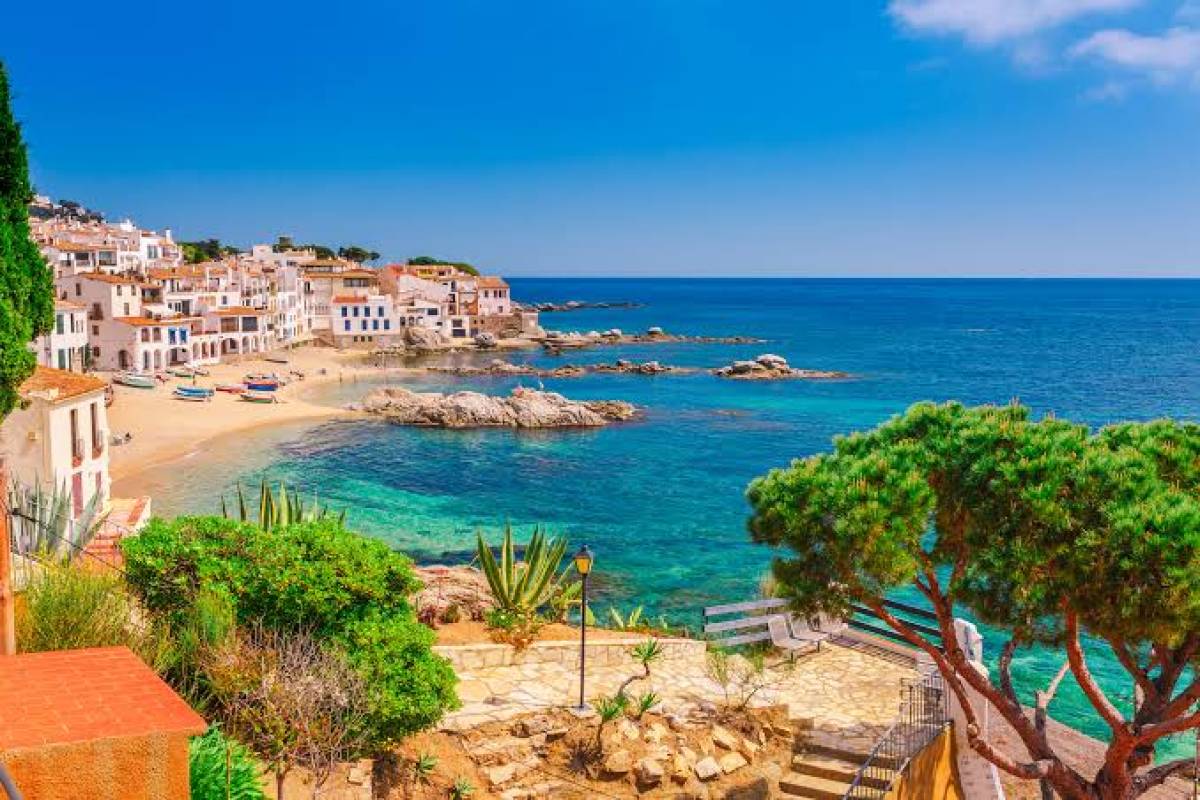
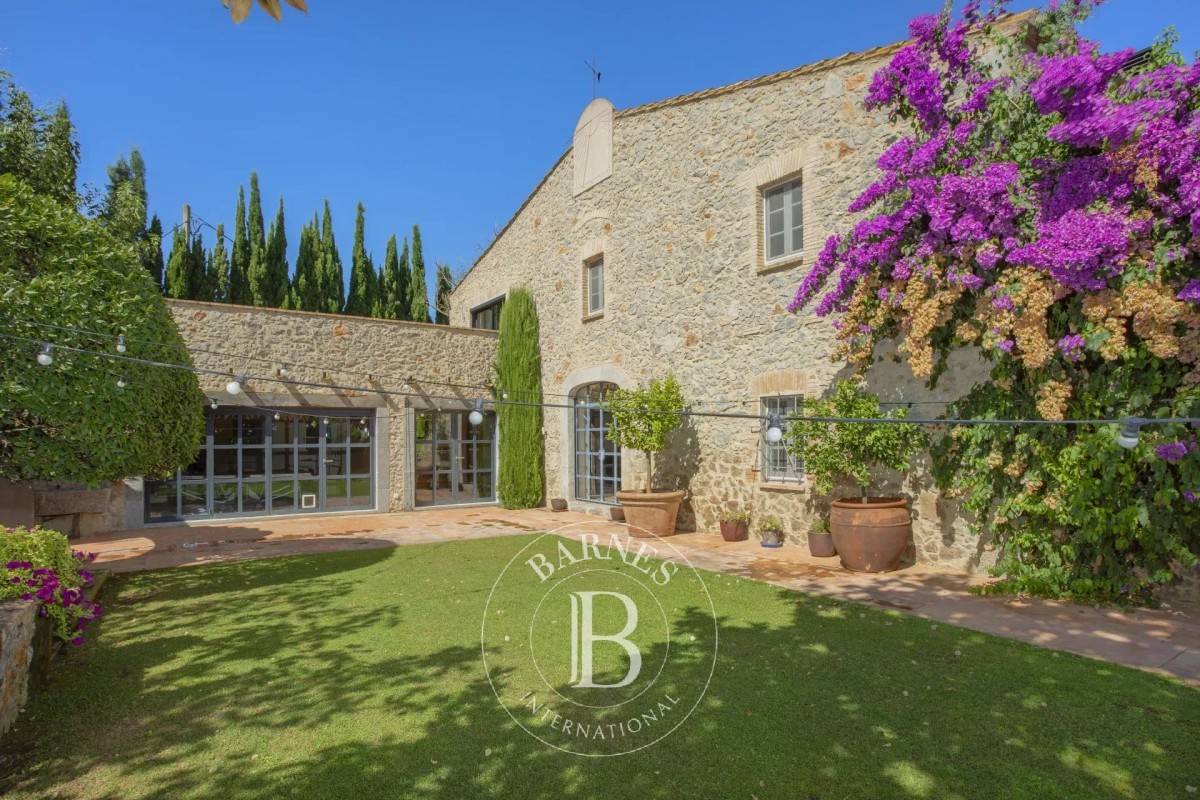
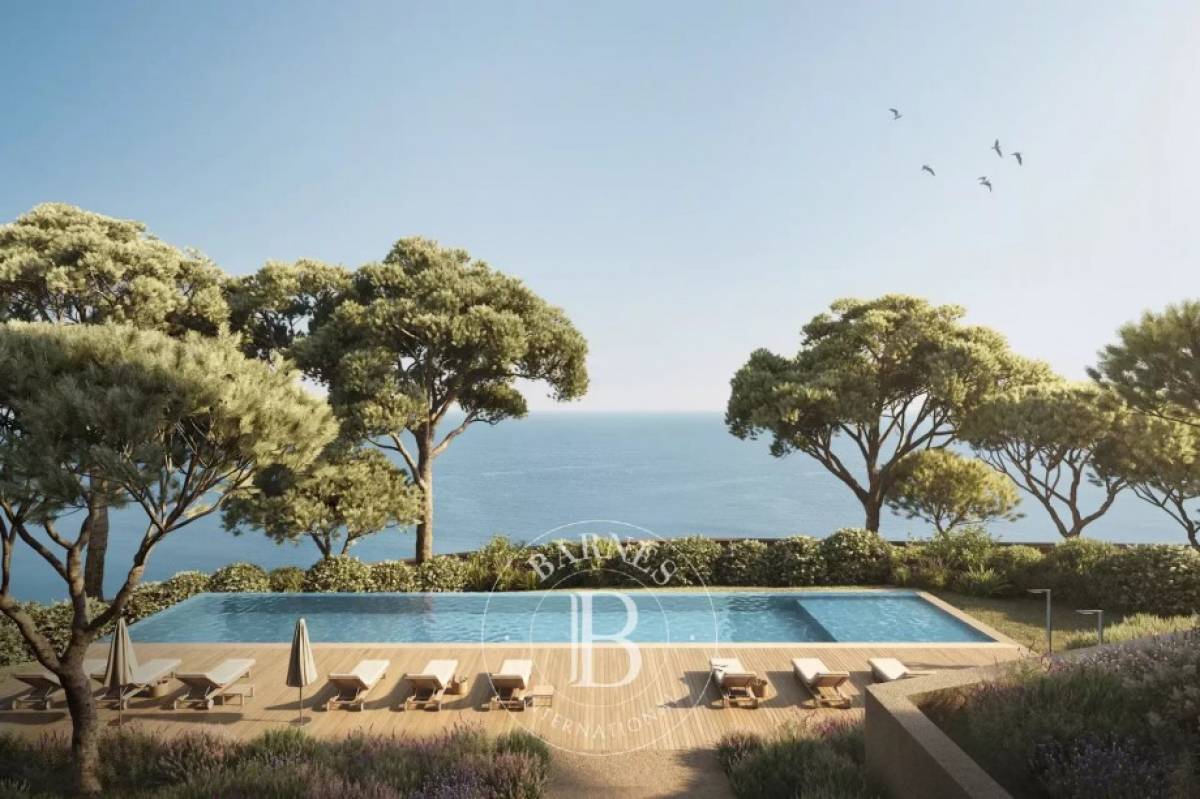
Beyond the city, some buyers complete their choice with a second home on the coast. Barcelona makes it possible to combine both: urban life during the week and the Mediterranean or the Empordà at weekends, with good road links and El Prat airport. It is worth considering this from the outset, because it shapes which neighbourhood best suits your calendar.
It is also advisable to visit each area at different times and on different days of the week. A neighbourhood can feel very different on a Tuesday morning, a Saturday night or in the height of summer, and that contrast helps you decide with more discernment than any brochure or statistic.
How to get your purchase right
Beyond the neighbourhood, the key lies in the street, the orientation, the condition of the building and the owners' community. Many of the city's most attractive properties change hands discreetly, so an adviser who knows each area makes the difference. You can see a current selection in our section of properties for sale in Barcelona, or read our guide on where to buy a luxury apartment in Barcelona to compare prime neighbourhoods.
Frequently asked questions
What is the most exclusive neighbourhood in Barcelona?
It depends on what is meant by exclusivity. The Dreta de l'Eixample stands out for its architecture and retail; Pedralbes and Sarrià-Sant Gervasi for privacy, space and gardens. These two profiles are the most sought after by high-net-worth buyers.
Where do international families live in Barcelona?
Many settle in the Zona Alta, Pedralbes and the Eixample, because of the proximity of international schools and the quality of the surroundings. The final choice often depends on the school and the daily commute.
Which neighbourhood suits someone arriving in Barcelona for the first time?
The Eixample and Gràcia are very practical options: a good transport network, services on foot and an atmosphere that is easy to settle into from day one. Afterwards, many clients discover which area best fits their routine.
Is it better to buy an apartment or a house in Barcelona?
Period apartments dominate in the Eixample, Gràcia and the centre; houses with gardens are concentrated in the Zona Alta, Pedralbes and Vallvidrera. The choice depends on lifestyle and on how much outdoor space you want.
How can I find out the value of my property in Barcelona?
A comparative analysis by a local adviser, taking into account the neighbourhood, condition and recent comparable sales, is the most reliable method. At BARNES we offer a confidential valuation with no obligation.
Talk to BARNES Barcelona
If you are considering buying or selling in Barcelona, our team will guide you with judgement and discretion. Contact the BARNES office or request a confidential valuation of your property.
Comments (0)

No comments, be the first to react to this article!