Costa Brava villages to live in: a guide for discerning buyers
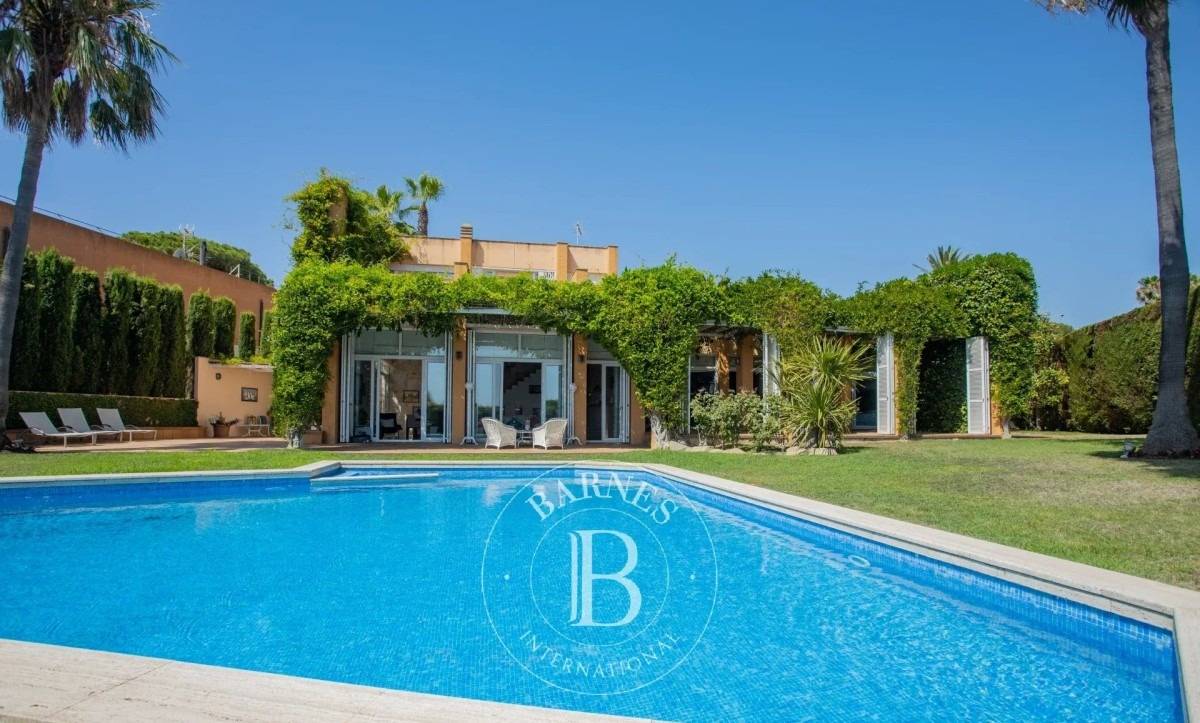
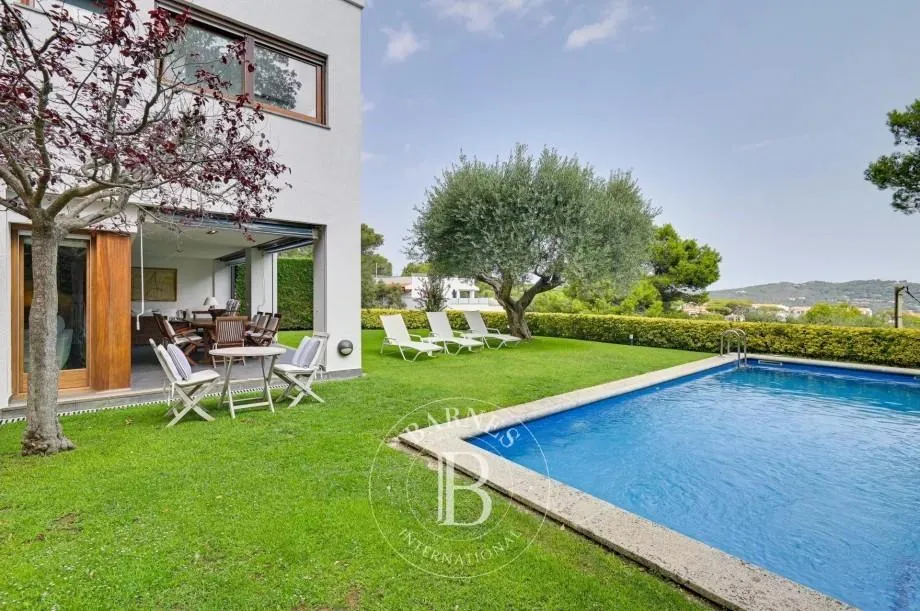
The Costa Brava is not chosen from a map but by the character of each village. Cadaqués means light, art and seclusion; Begur and Calella de Palafrugell, coves and Mediterranean life all year round; Pals and Peratallada, medieval stone and countryside; Platja d'Aro and S'Agaró, comfort, services and open sea. This BARNES Barcelona guide sums up the Costa Brava villages most worth considering for living or for a second home, and explains which type of buyer suits each one best.

How to choose a village on the Costa Brava
The coast of Girona runs from Blanes to Portbou and brings together very different landscapes within a few kilometres. Before comparing villages, four questions are worth answering.
Year-round living or seasonal stays?
Some villages stay active in winter, with shops, schools and local life, while others transform in summer. Anyone thinking of living here permanently should weigh this up before the view.
Seafront or inland?
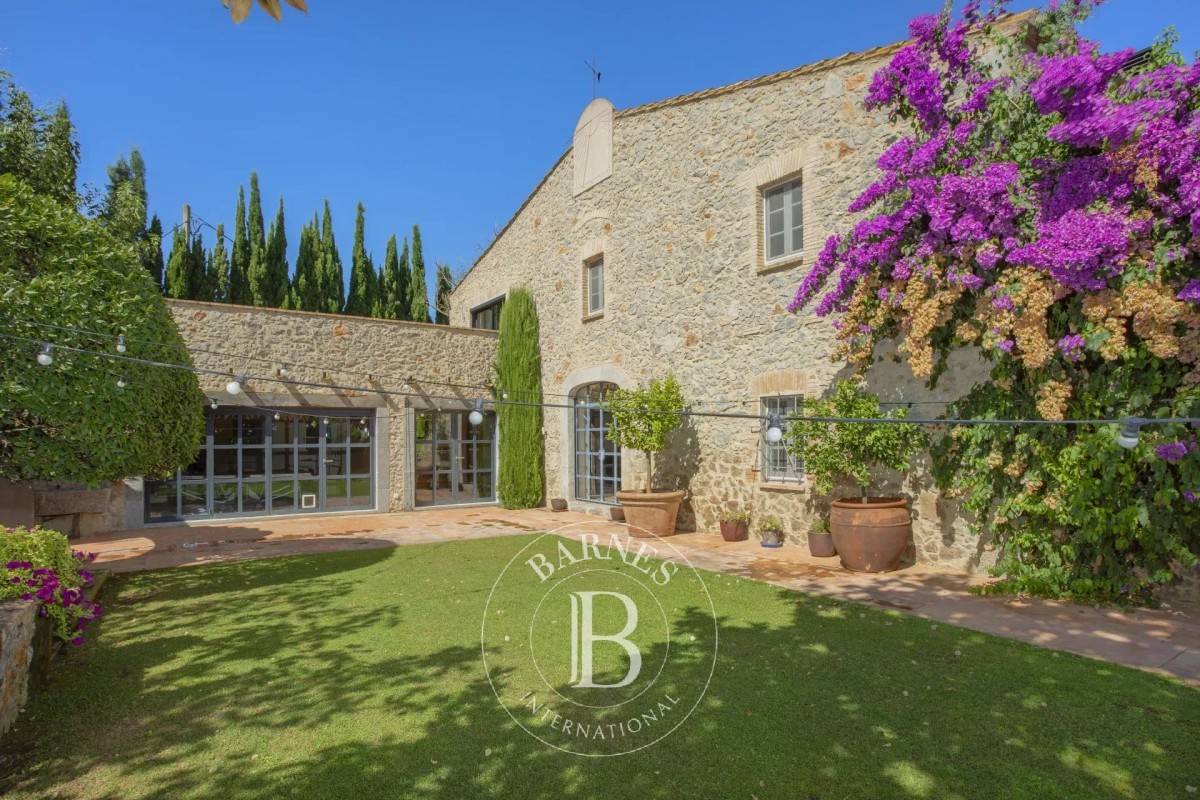
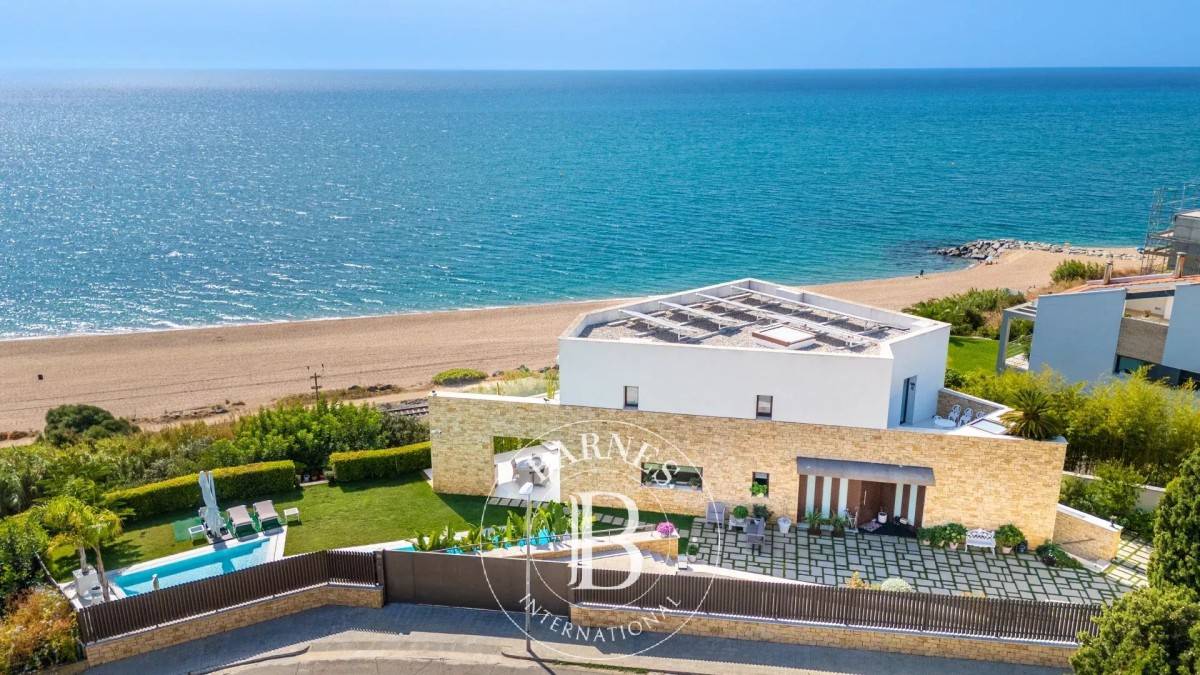
Proximity to the sea shapes the price, the regulations that apply and the everyday experience. Many inland masías and stone houses offer privacy and space a few minutes from the coves.
Access and connections
Girona-Costa Brava airport and Barcelona-El Prat serve the area, along with the AP-7 motorway. The real distance to the airport and the city varies a great deal from one village to another.
Type of property
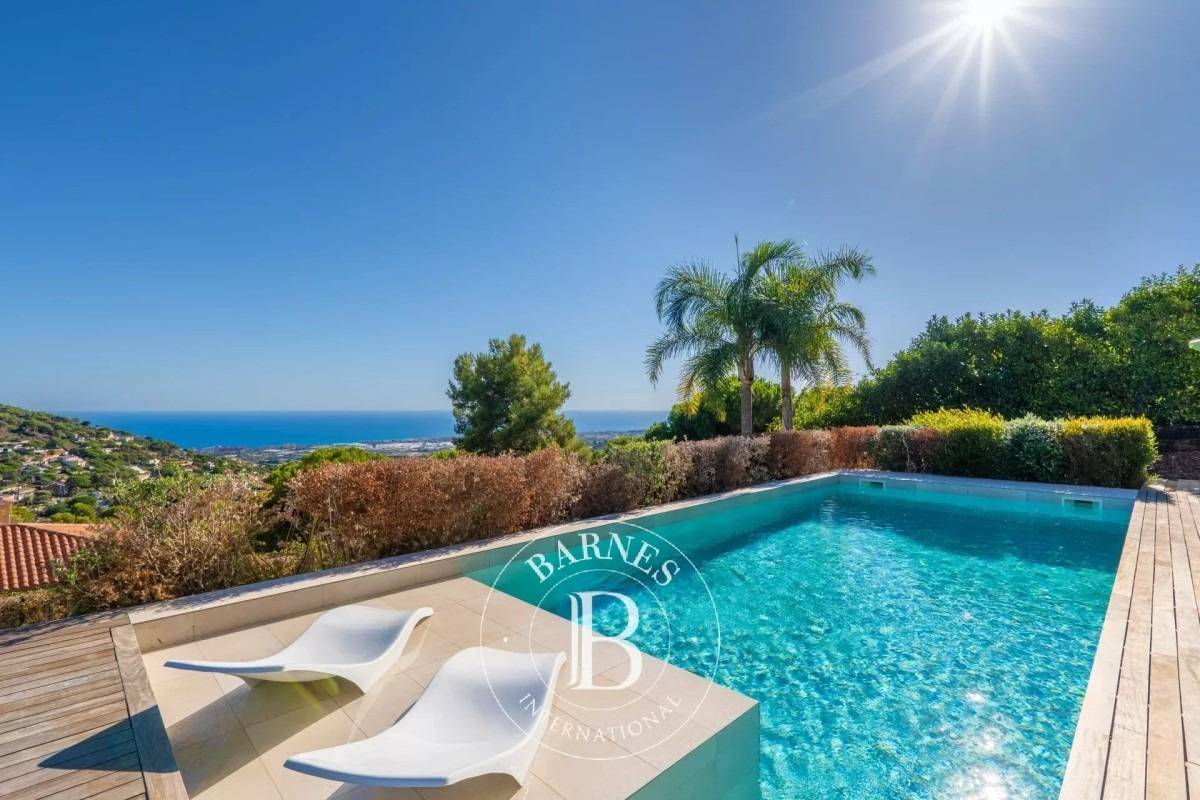
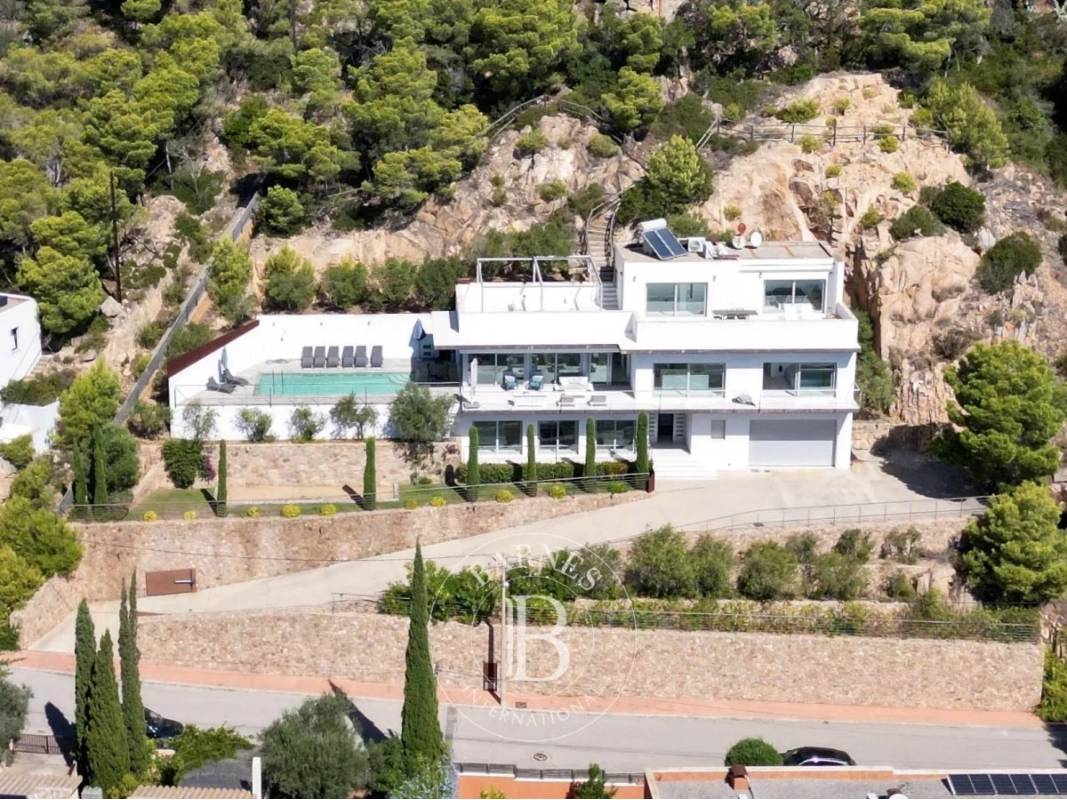
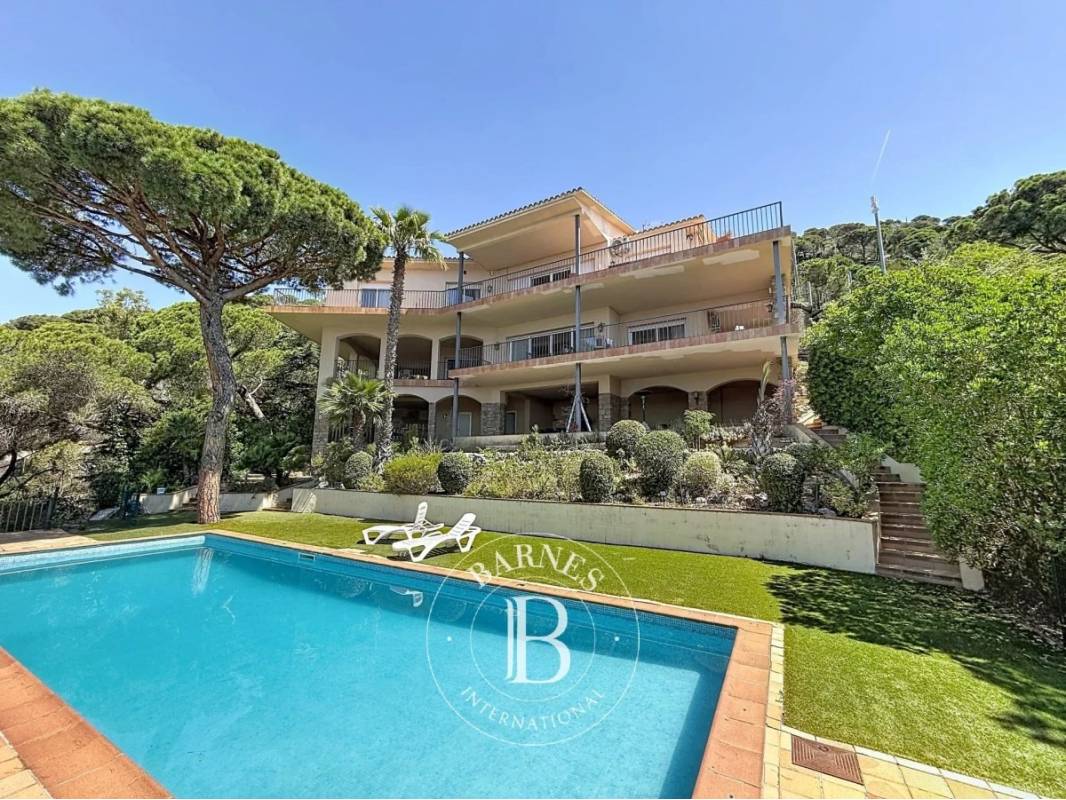
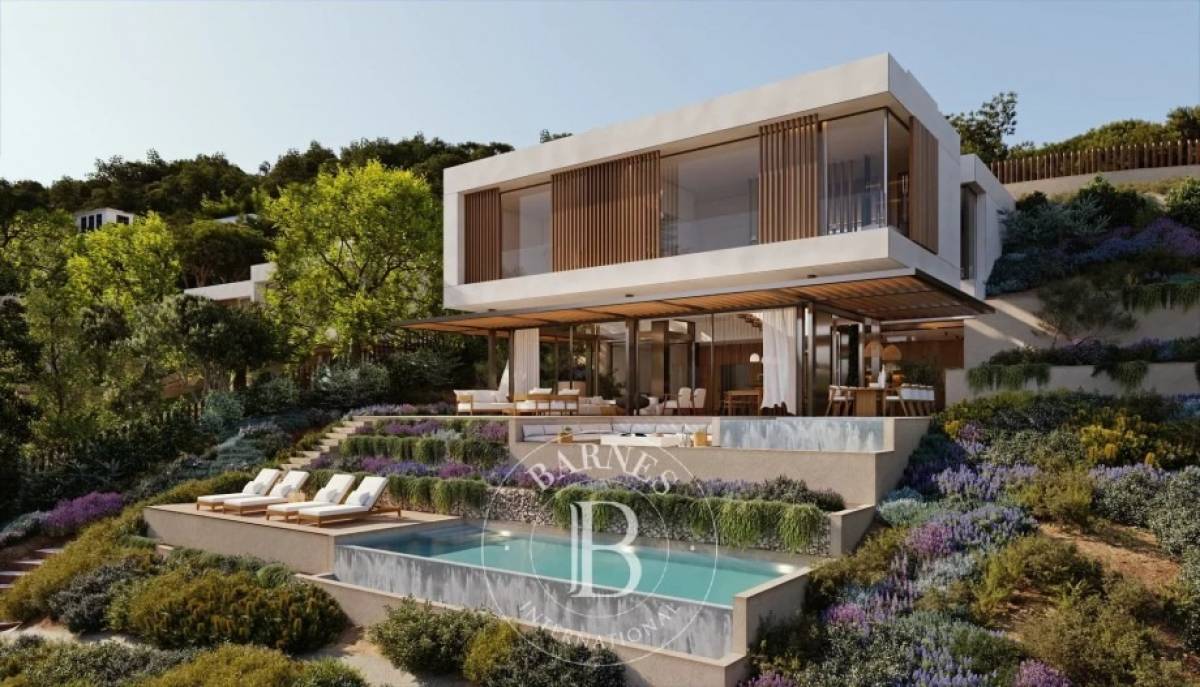
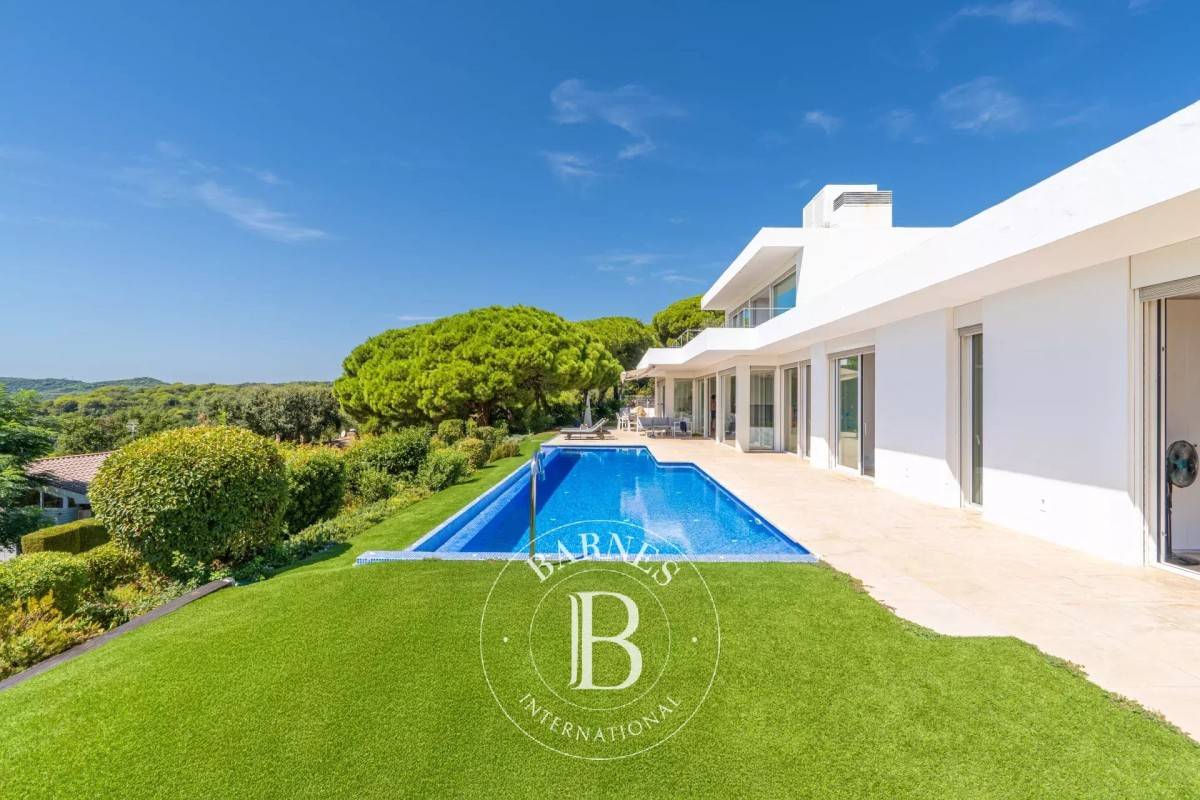
Modern villas with swimming pools, restored fishermen's houses, masías or apartments facing the harbour: each village concentrates a different kind of offer and a different way of life.
Alt Empordà: Cadaqués, Roses and Empuriabrava
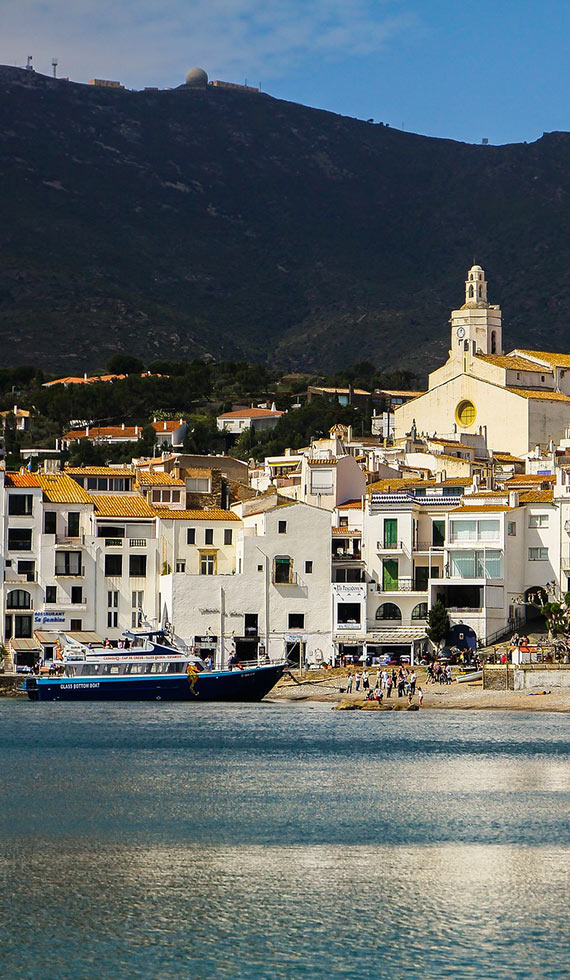
Cadaqués, at the foot of the Cap de Creus natural park, is one of the most distinctive villages on the Mediterranean: whitewashed houses, rocky coves and an artistic tradition linked to Salvador Dalí, whose house at Portlligat is now a museum. Its terrain and the influence of the tramontana give it a reserved character of its own. For those considering a purchase here, our guide to buying a house in Cadaqués details the areas and property types.
Roses offers a broad bay, a very well-preserved natural setting and a range of villas with views. Close by, Empuriabrava stands out for its navigable canals, which allow a mooring beside the house: an especially attractive option for boating enthusiasts.
Baix Empordà: Begur, Calella de Palafrugell, Pals and Peratallada
Begur is probably the Costa Brava village most sought after by international buyers. Its old town, crowned by a castle, looks over coves such as Sa Tuna, Aiguablava and Aigua Xelida. It combines year-round life with a carefully curated offer of restaurants and shops. For more detail, see our guide to buying a house in Begur or browse the properties for sale in Begur.
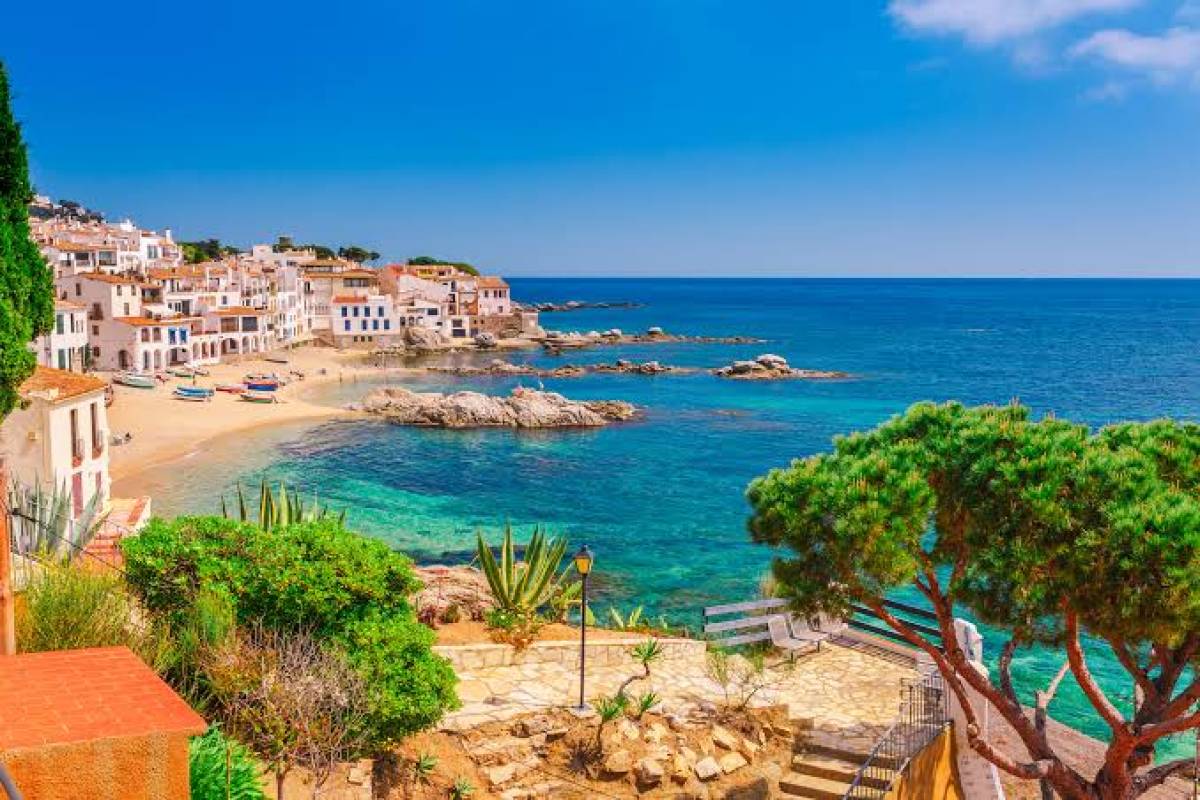
Calella de Palafrugell, Llafranc and Tamariu form one of the most sought-after stretches of coast in the region, with small beaches, seafront walks and the Cap Roig Gardens as a cultural landmark. Pals and Peratallada, a little further inland, offer medieval streets, countryside and golf, and suit those who want tranquillity with the sea close by.

Southern Costa Brava: Platja d'Aro, S'Agaró, Sant Feliu de Guíxols and Tossa de Mar
On the southern stretch of the coast, Platja d'Aro and S'Agaró combine a broad beach, a full range of services and a historic residential estate, with houses set in gardens facing the sea. Sant Feliu de Guíxols offers a seafront promenade with character, a working harbour and the Camí de Ronda, the coastal path that runs past coves and cliffs. Tossa de Mar, with the walled Vila Vella, completes a stretch of great scenic beauty. Our guide to Platja d'Aro and S'Agaró analyses this area in detail.
Living on the Costa Brava: beyond the beach
Those who live on the Costa Brava soon discover that what it offers goes well beyond summer. Empordà cuisine, with its seafood and garden produce, and the wines of the Empordà Designation of Origin are part of daily life. Boating, golf, walking the Camí de Ronda and the medieval villages inland complete a very full lifestyle.
Many buyers combine the Costa Brava with a home in Barcelona, or with a masía inland. For those drawn to this option, our guide to buying a masía in the Empordà is useful. And if you would like to see a current selection, you will find the properties for sale on the Costa Brava and those in the Empordà on our website.
For many families, the Costa Brava also works as a weekend and summer base, at a reasonable distance from Barcelona. That double life, urban during the week and Mediterranean when the good weather arrives, explains why so many buyers from the Catalan capital and from abroad end up choosing a village on the Girona coast as a second home, and why the choice of municipality depends as much on access and family routine as on the view.
What to check before buying on the Costa Brava
Beyond the views, it is worth verifying the planning and registry status of the property, the coastal regulations when the home is close to the sea, access, utilities and the condition of the building. For properties near the shoreline and for masías, these points can make the difference between a good purchase and a later problem. A local adviser who knows each municipality saves time and avoids surprises.
It is also advisable to visit the area at different times of the year. A village can feel very different in the height of August and in the depth of winter, and that difference is decisive for anyone planning to live there permanently.
Frequently asked questions
What are the best Costa Brava villages to live in?
It depends on your lifestyle. Begur and Calella de Palafrugell are much sought after for living year-round near the sea; Cadaqués for its distinctiveness and natural setting; Pals and Peratallada for their quiet, medieval atmosphere; and Platja d'Aro or S'Agaró for their services and beach.
Which Costa Brava village is the most exclusive?
Begur, Cadaqués and the stretch of Calella de Palafrugell, Llafranc and Tamariu are generally regarded as the most exclusive areas. Exclusivity depends on the exact location, the views and the privacy of each property more than on the village itself.
Is it possible to live on the Costa Brava all year round?
Yes. Many villages keep shops, restaurants and services open in winter, especially in the Baix Empordà. Even so, it is worth checking local activity out of season before deciding.
How do you get to the Costa Brava from Barcelona?
By road, via the AP-7 and the local network, or by air to Girona-Costa Brava airport. Journey time depends on the village chosen, so it is worth checking when planning your purchase.
How can I find out the value of my property on the Costa Brava?
A comparative analysis by a local adviser, taking into account location, views, condition and recent comparable sales, is the most reliable method. At BARNES we offer a confidential valuation with no obligation.
Talk to BARNES Barcelona
If you are considering buying or selling on the Costa Brava, our team will guide you with judgement and discretion. Contact the BARNES office or request a confidential valuation of your property.
Comments (0)

No comments, be the first to react to this article!