Selling a Luxury Home in Barcelona: a Step-by-Step Guide
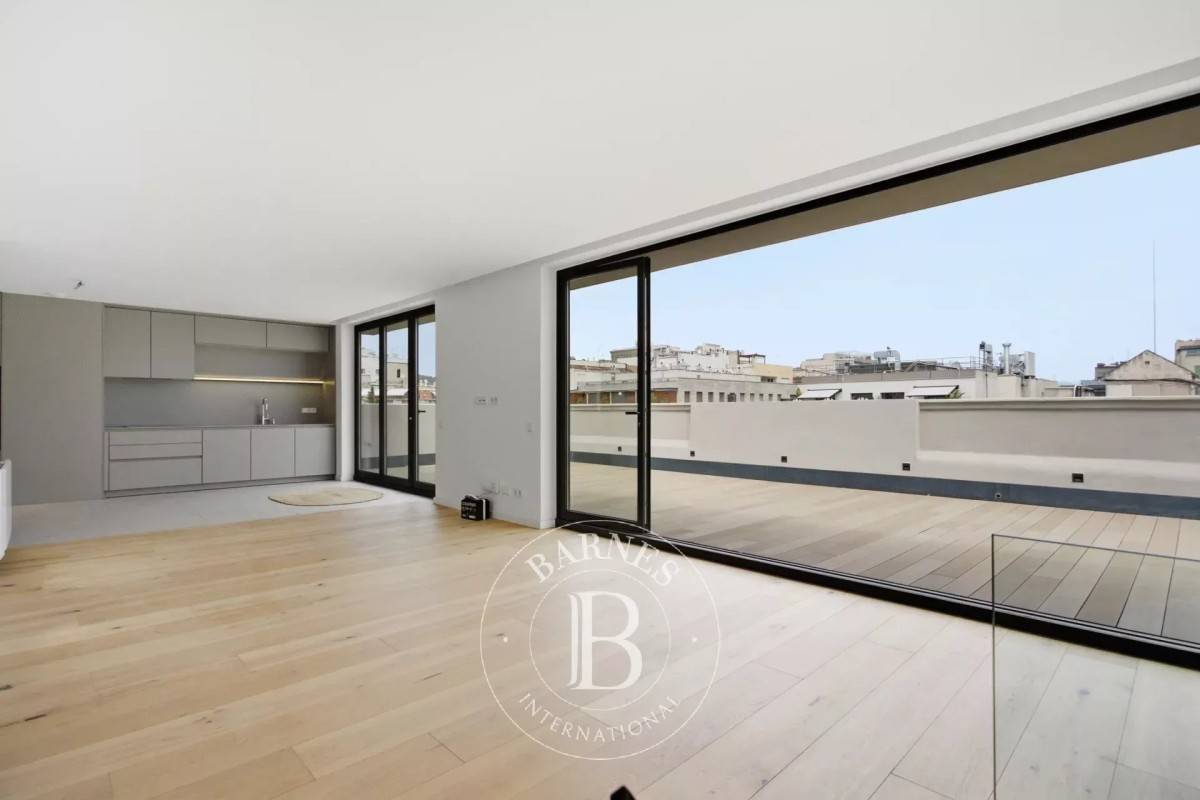
Selling a luxury home in Barcelona takes much more than publishing a listing. In the prime segment, buyers compare in detail, discretion has real value and every decision —the asking price, how the property is marketed, how the negotiation is handled— shapes the final result. This guide sets out, step by step, how to prepare a secure sale and achieve the best possible value for your property.
1. Define your goal and your timeline
Before going to market, answer three questions: how much time you have to sell, whether you need liquidity by a specific date, and whether the sale is part of a reinvestment, such as buying another home. A realistic timeline avoids rushed price cuts and allows the marketing to be planned calmly —particularly important for one-of-a-kind properties, whose ideal buyer may take longer to appear.
2. A realistic, data-driven valuation
The asking price is the most important decision of the sale. An overpriced home loses interest in its first weeks on the market, when visibility is highest; an underpriced one leaves money on the table. The valuation should rely on genuine comparable sales in the same micro-area, not just asking prices, and take into account floor level, orientation, views, the condition of the building, outdoor space and parking.
At BARNES we prepare confidential valuations based on our market knowledge and recent sales. You can request one when you sell your property with BARNES.
3. Gather the paperwork from the start
Having the documentation ready reassures buyers and speeds up completion. In Catalonia, sellers usually need:
- An up-to-date land registry extract (nota simple).
- An energy performance certificate, required to advertise and sell.
- A valid certificate of habitability (cèdula d’habitabilitat).
- The latest property tax (IBI) receipt and a certificate from the owners’ association confirming there are no outstanding charges.
- Plans, building permits and records of any renovations.
- The building’s technical inspection report, where one is required.
4. Prepare the home to make the best impression
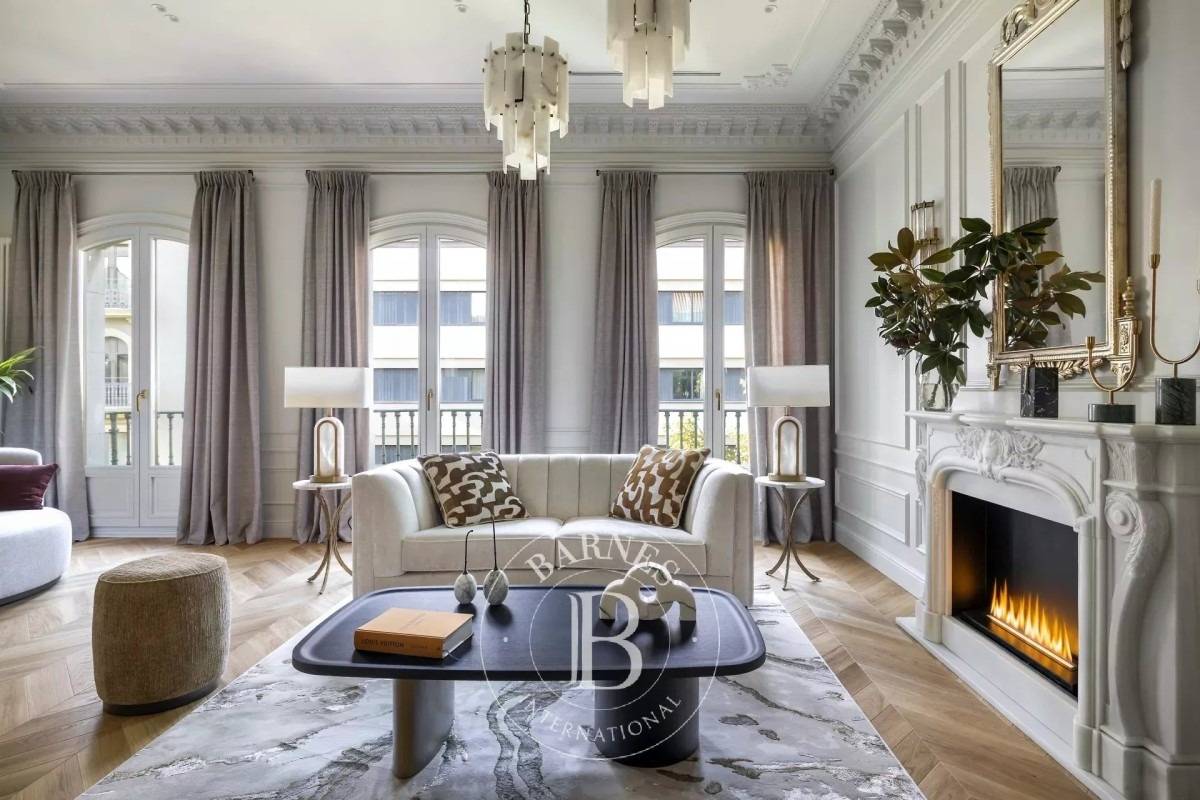
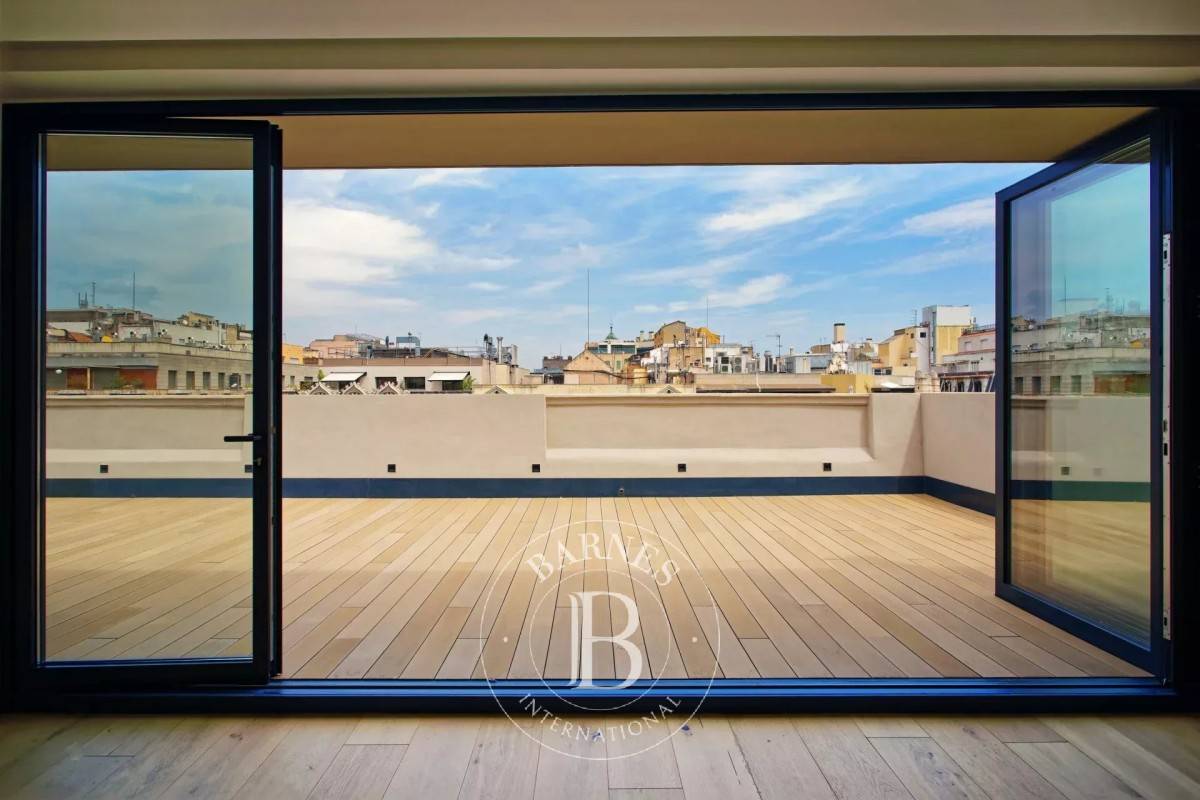
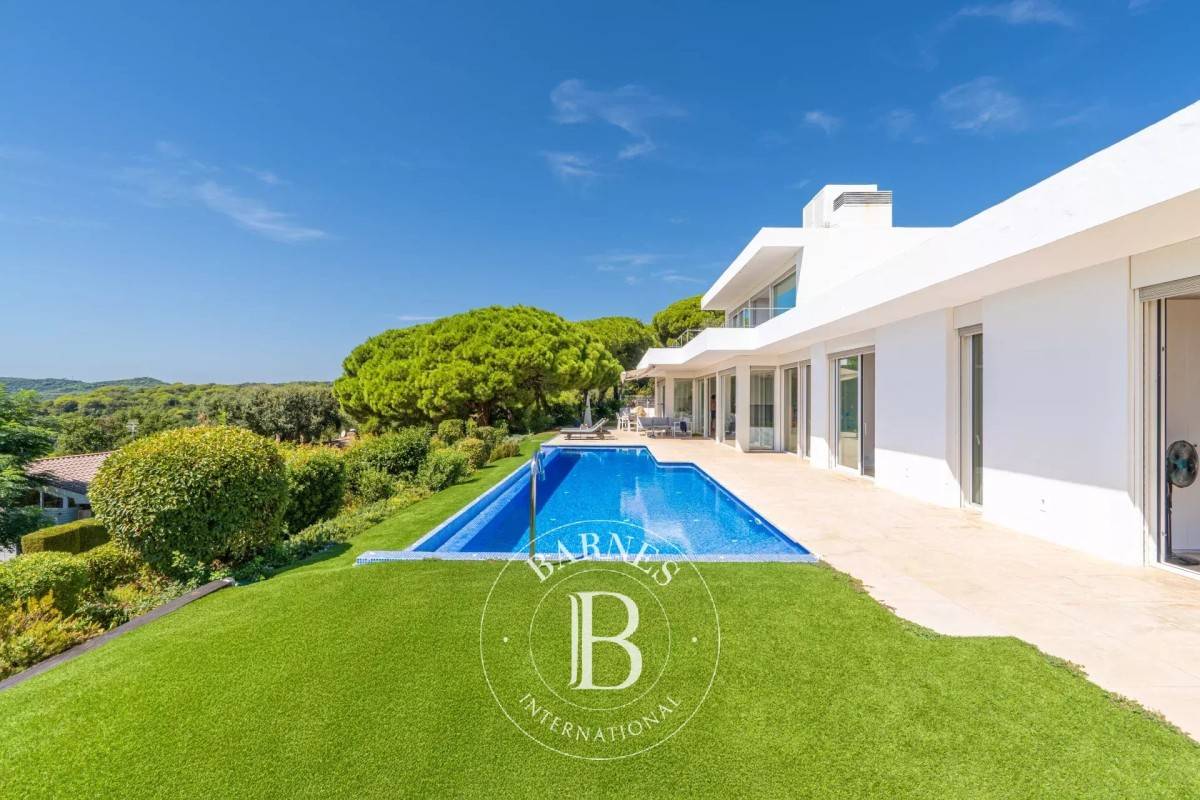
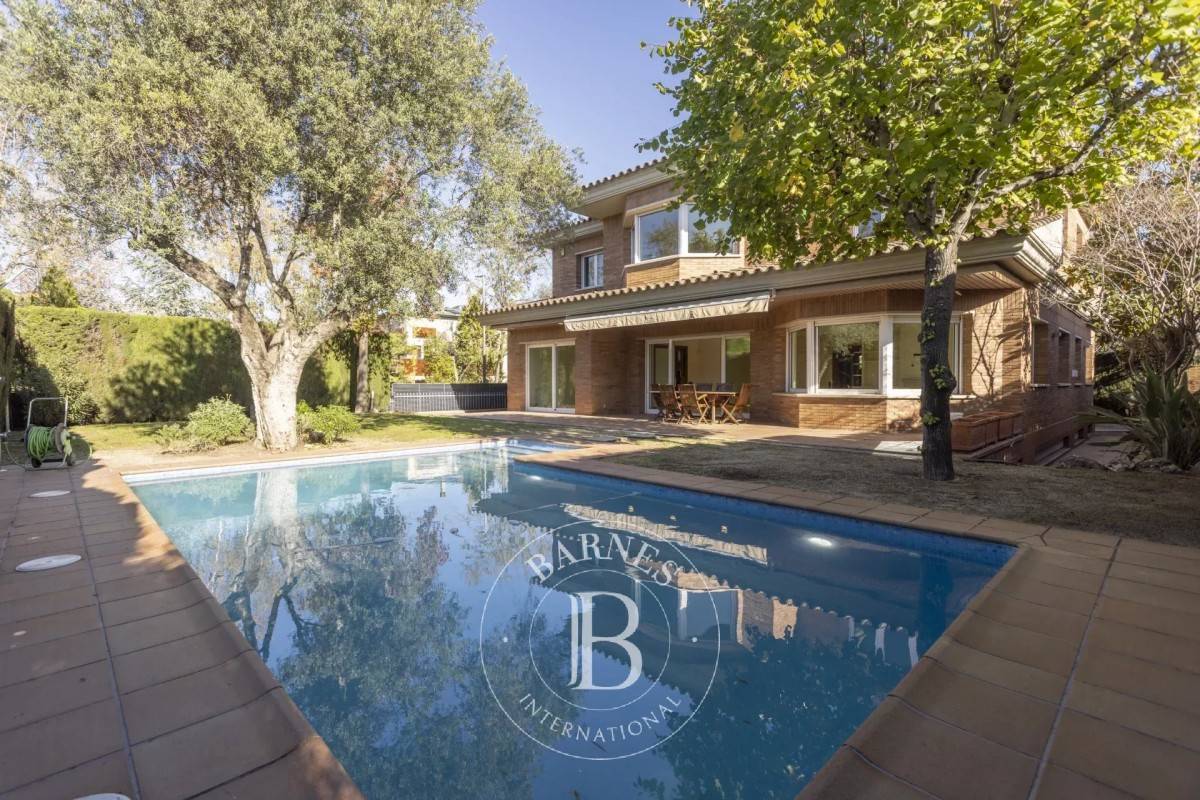
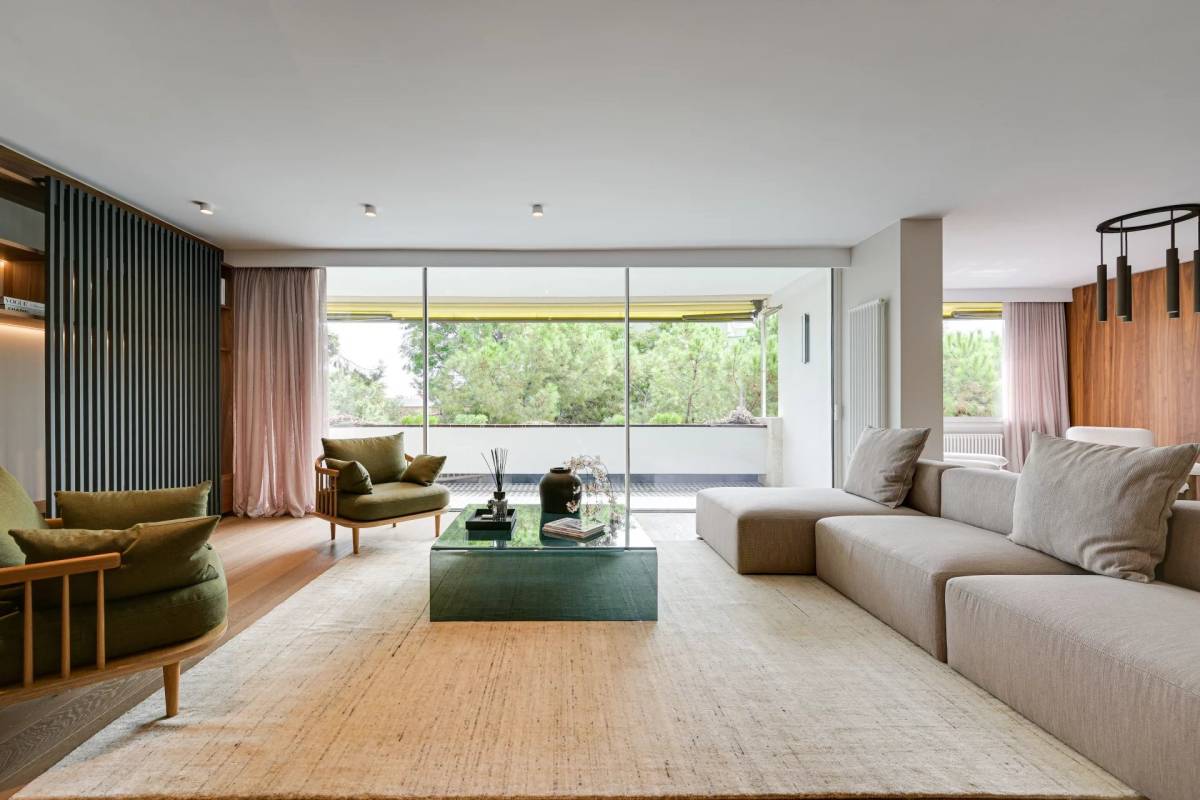
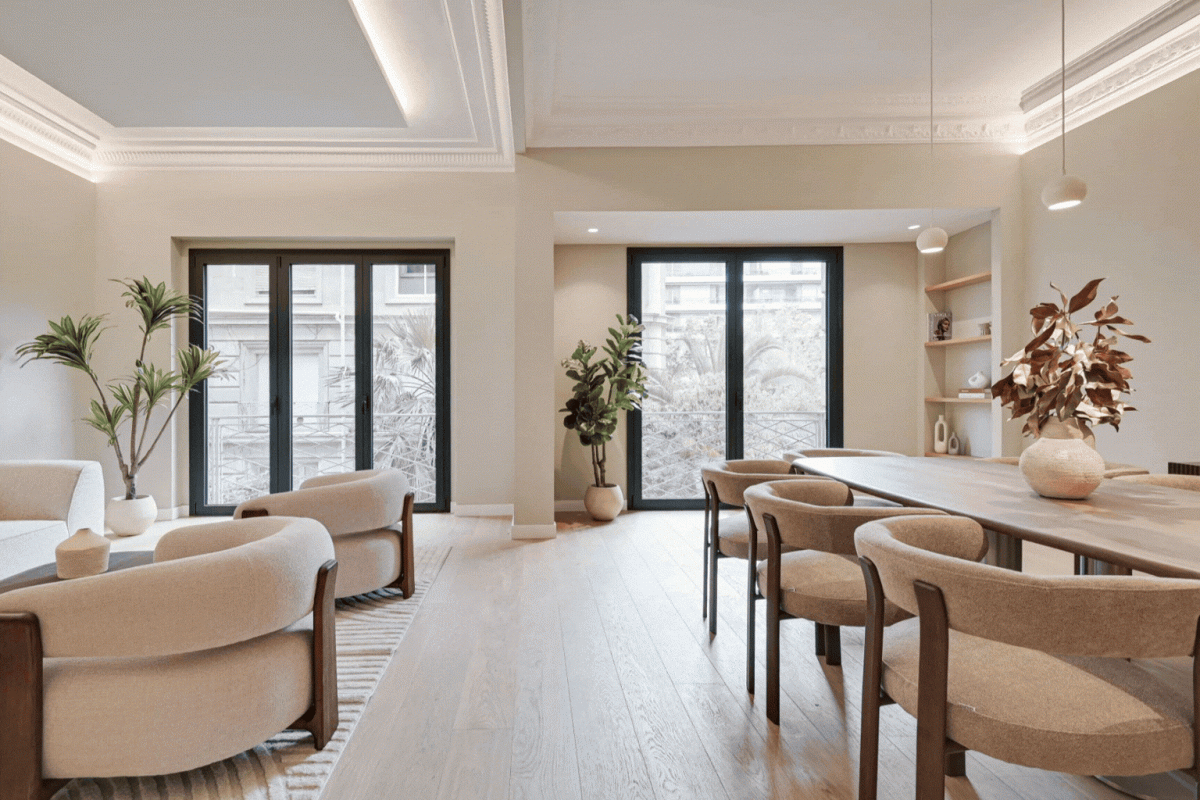
Today, the first viewing happens on screen. Professional photography, a well-produced video and clear floor plans make a real difference in the luxury segment. Before the photo shoot, fix small defects, depersonalise the spaces and, where appropriate, use home staging to highlight light, space and views.
5. Choose how to market: visibility or discretion
Not every property sells the same way. Some benefit from wide exposure across Spanish and international channels; others, because of their value or the owner’s wishes, are presented privately to a selection of qualified buyers. We explain this second route in our article on Spain’s luxury off-market.
Either way, an exclusive mandate allows a coherent strategy, a single price on the market and detailed reporting. Find out why in exclusive mandates: why they protect your sale.
6. Viewings, offers and negotiation
Screening buyers before each viewing protects your time and your privacy. When a serious offer arrives, it is usually made in writing; in complex transactions a letter of intent is common, as we explain in what a real estate LOI is and how to use it. Once terms are agreed, the next step is a reservation or deposit contract, covered in the property reservation contract.
7. Taxes on the sale
Sellers mainly need to consider the municipal capital gains tax on urban land (plusvalía municipal) and tax on the capital gain, payable through Spanish income tax or, for non-residents, through Non-Resident Income Tax. In the latter case, the buyer must withhold 3% of the price and pay it to the tax authorities on account of the seller’s tax. Every situation is different, so we recommend consulting a tax adviser before setting the net price you want to achieve.
8. Signing before a notary
The sale is completed with the public deed signed before a notary, where the balance is paid, the keys are handed over and any existing charges are cancelled. The deed is then recorded at the Land Registry and utilities and the owners’ association are notified of the change of ownership.
Frequently asked questions
How long does it take to sell a luxury home in Barcelona?
It mainly depends on the asking price, the location and how unique the property is. A well-priced, well-presented home attracts most interest in its first weeks; highly unique assets may need more time to find the right buyer.
Is it better to sell discreetly or with maximum exposure?
There is no single answer: wide exposure brings reach, while a private sale protects privacy and exclusivity. What matters is agreeing the strategy with your adviser before going to market.
What costs does the seller pay?
Usually the municipal capital gains tax, the cancellation of any mortgage at the registry, the agency fee and tax on the gain. It is worth calculating them before setting the price.
If you are thinking of selling, contact our advisors for a confidential valuation. You can also browse the properties sold by BARNES and our selection of luxury homes for sale in Barcelona.
Comments (0)

No comments, be the first to react to this article!